once upon a medieval time …
Once upon a time … was the Middle Ages, where princesses waited in towers for their love, balls where maidens met a handsome prince, taverns to get plastered at, knights in shining armour, and romance, the true love’s kiss …. Scratch that, its more like plagues, public executions, forced marriages and some stanky body odours …
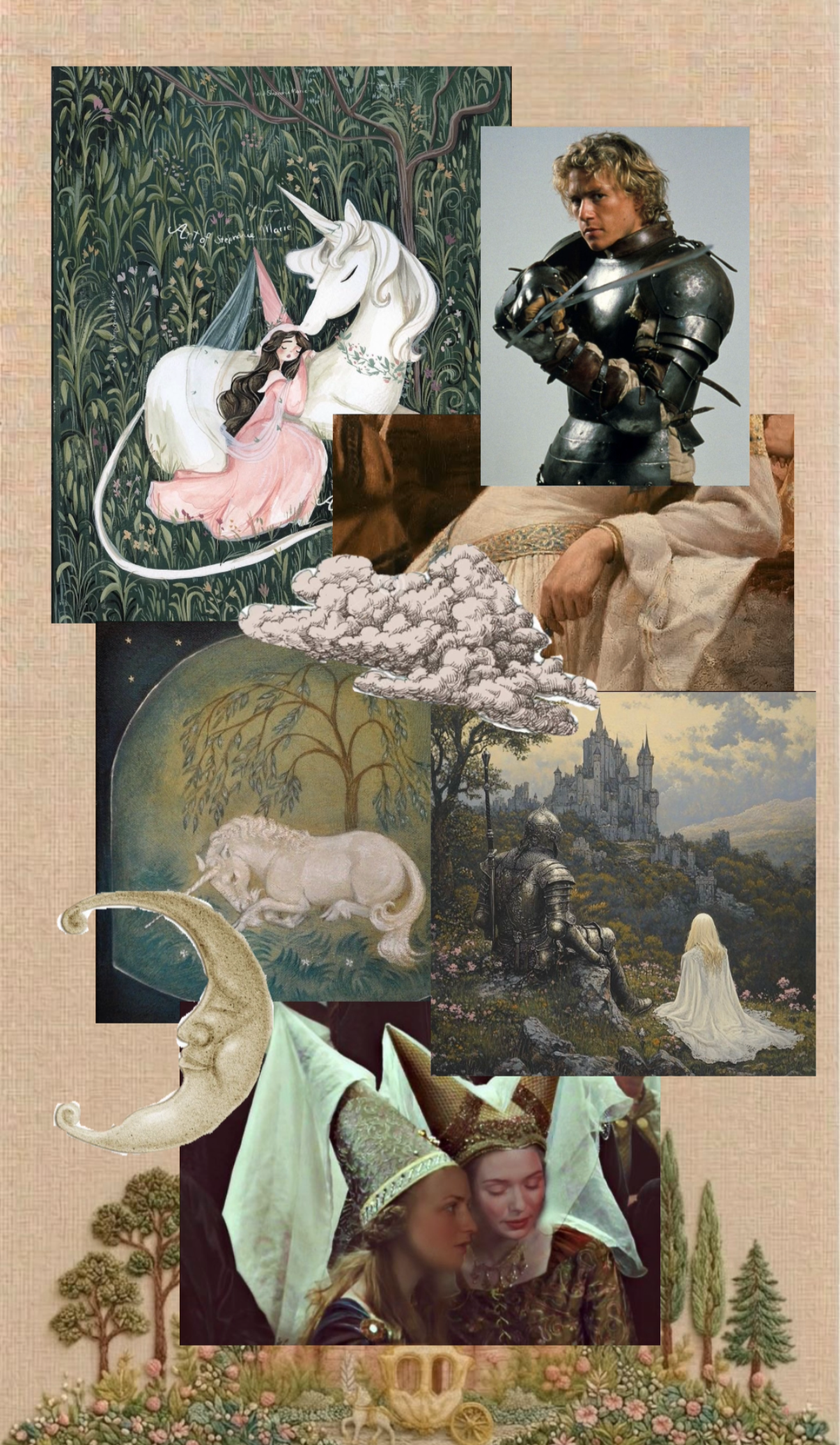
I’m joking, this period is truly one of the most interesting historical spans to research because there was just A LOT going on since it spanned 1000 years of humanity, a literal millennia. If I actually lived in the Middle Ages … I would probably be accused of witchcraft and then sentenced to death. But that’s not the point of this blog! If I hypothetically lived in the imaginary idea of the Middle Ages, I would definitely have a big fat crown sitting on my head. The way I act reflects that of some sort of royal blood in a past life. But, before we begin, I am going to do a different feel for today’s post. My friend gave me the idea of making it more BuzzFeed vibes, so I am going to make this a bit of an educational and historical post on medieval women while keeping the whole completely unrealistic yet realistic medieval vibes going. So making it fun and completely opposite of what it actually was, while explaining the realistic parts of it, if that makes any sense. Shall we begin, ye faire maidens?
The Middle Ages, more commonly known as the Medieval Times, is the middle period of history in Europe, stretching from the 5th century to the 1500s. It is split into the early, high, and late ages to simplify the large stretch of these years. The Early Middle Ages, commonly known as the Dark Ages, lasted from about the year 500 to 1000 after the fall of the Roman Empire. The High Middle Ages lasted from 1000-1300, and the Late Middle Ages from 1300-1500. The main time period to which most of these iconic movies and shows and the whole y2k medieval revival aesthetic are based on is the High and Late Middle Ages, years 1200-1500 specifically.
In pop culture, the Middle Ages get very, very romanticized, but truthfully, if we were to time travel we’d all probably want to come back home within minutes, pounding on the door of the Time Machine to get back in. However, so many great shows and stories have been inspired by this time period, like Ella Enchanted, A Knight’s Tale, The Princess Bride, and the greatest of all time, Shrek. Many fairy tales were based in these times as well, such as Sleeping Beauty, Hansel & Gretel, and Snow White. On Tik Tok, there has been huge trends inspired by it such as the Light/Dark fantasy videos and the y2k medieval revival aesthetic. Now as you may have figured out from my second post, I am a hella romanticizer. So, although the Middle Ages may have been deemed dirty and disgusting, I am choosing to believe it was not only fun, but interesting, lively, complete with good fashion and beautiful scenics. It was a party in the Middle Ages everyday!
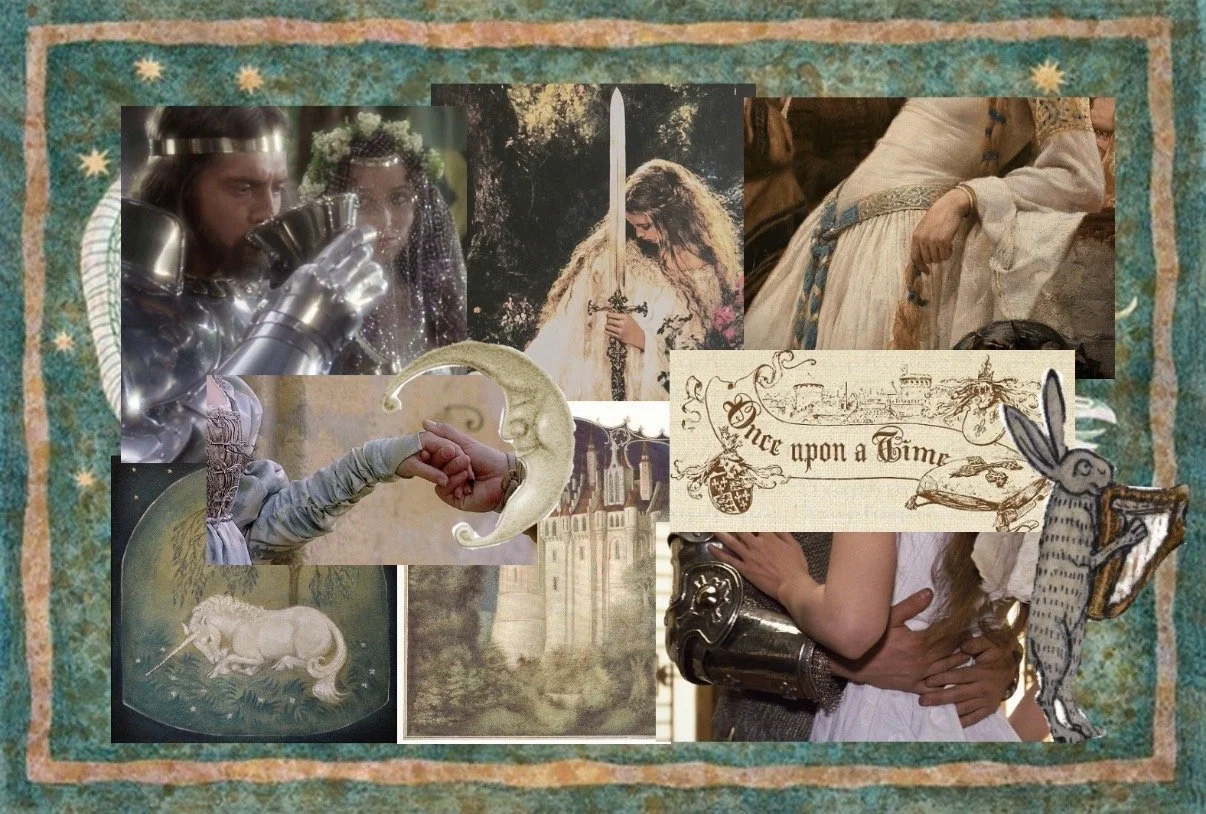
Now, what is y2k medieval? It is a new popculure aesthetic combining historical and fantasy elements with the campiness of the early 2000s. The most perfect resemblance of this is Shrek 2 in my opinion, it has modern hints along with sorts of slang, yet the fashion and way of life reflects that of a medieval era. The aesthetic is typically bright colours, like oranges, pink, blues, and purples, mixed with fantasy objects/creatures like swords, dragons, armour, chains, unicorns, and much, much more. Styles include a lot of flowy sleeves, drop waist skirts, statement jewelry, lace, cotton, and etched fabrics. As I said, Shrek is a great example of a movie that perfectly encapsulates this vibe, however, some other good ones include A Knight’s Tale, Ella Enchanted, Romeo & Juliet, Ever After, Enchanted, and Virgin Territory. And finally, some y2k medieval songs to add to your playlist:
Holding Out For a Hero by Frou Frou
Golden Brown by the Stranglers
Duvet by Boa
Army Dreamers by Kate Bush
Once Upon a Dream by Lana Del Rey
Somebody to Love by Queen
Sadeness by Enigma
Genesis by Grimes
Carribean Blue by Enya
Cico Buff by Cocteau Twins
Scary by Bjork
Harpy Hare by Yaelokre
Devon by Grimes
Crystal Ball by Grimes
Dear Henry by Rise & Fall of a Decade
Orinoco Flow by Enya
The entire Shrek soundtrack tbh.
Anything by Hildegard von Blingin, she reimagines popular music into a medieval fashion!
To throw some fun in here, let’s do a little quiz to find out what medieval woman you would be! Keep track of the letter of your answers to see your results at the end :)
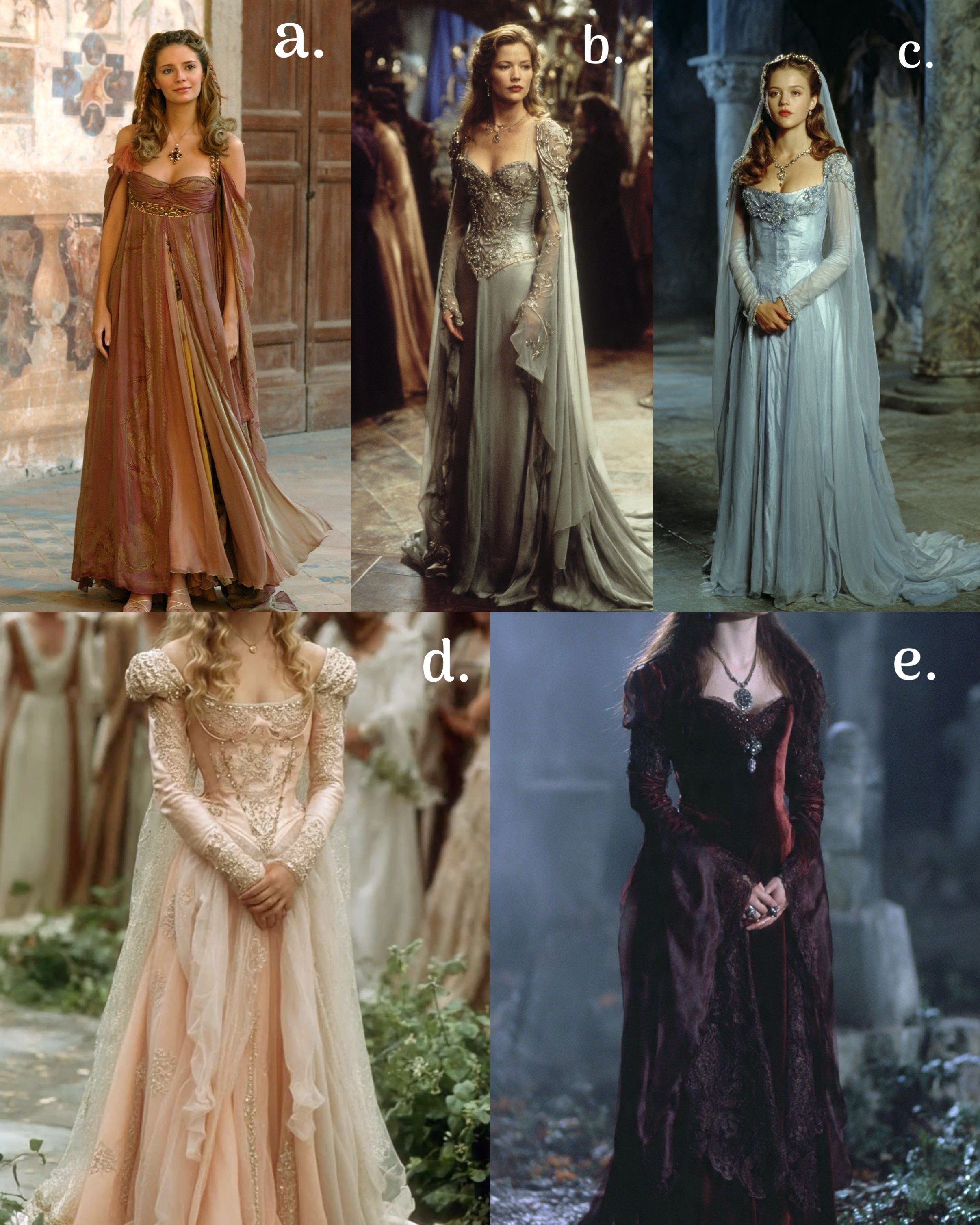
You wake up in the morning and are stuck on what to wear, as you have way too many options to pick from. What do you end up picking?
2. You have a free day to do whatever your true heart desires! Pick an activity.
a. Hang out with friends and do something stupid.
b. Go out and explore new territory!
c. Hang around the castle. Cooking, reading, creative pursuits ….
d. Out shopping with friends, spending lots and lots of gold!
e. Studying a new book and then using your new knowledge to create something.
3. You have a free night. Whatever do you do with your time?
a. Hit up ye olde tavern with your fellow maidens.
b. Get cozy in your castle with a good book and some sweets.
c. Hang around in your tower for your knight to come visit.
d. Go out to a ball for dancing or watch a play, maybe Prince Charming’s Its A Happily Ever After After All?
e. Create some new concoctions and such in your kitchen.
4. You noticed an abandoned castle on your journey to the village nearby. What do you do?
a. Go and vandalize it with paint and a bat.
b. Check it out and explore new territory.
c. Avoid it at all costs and continue on with your journey.
d. Order someone to go inspect it for you while you sit in the carriage.
e. Go inspect for any thing that could be of use to you, hopefully some gold, maybe some herbs?
5. A mysterious stranger arrives in town. What do you do?
a. Immediately go up to them and strike up a conversation.
b. Approach and introduce yourself. Keep your eye out for potential threats.
c. Hope that it is someone you can befriend or fall in love with.
d. Have your people find information on them before introducing yourself.
e. Observe them from afar. Watch their movements, actions, and interactions.
Answers
Mostly A’s - The Jester: You are humourous, unpredictable, and always up to something. You thrive on nights out, love to make people laugh, and are usually in trouble.
Mostly B’s - The Knight: You are adventurous, brave, and independent. You love exploring, trying new things, and aren't afraid to take risks. You'd rather be out having an adventure than sitting around waiting for one to find you.
Mostly C’s - The Maiden: You are a soft-hearted, hopeless romantic who yearns for love. You enjoy your solitude or doing quiet activities to recharge yourself, waiting for your happily ever after.
Mostly D’s - The Princess: You are charismatic, confident, and love the finer things in life. You enjoy being social, getting dressed up, and spending your imaginary royal fortune. You know your worth and aren't afraid to be a little dramatic.
Mostly E’s - The Mystic: You are curious, intelligent, and mysterious. You love learning, creating, and figuring out things that others might overlook. You tend to observe before you act and probably know more than you let on due to intuition.
Let’s get back on track, with a little bit more history between the fun parts, sorry non-history lovers. When you think of love in the Middle Ages, most of us picture princes, knights, princesses, maidens … ah, the romance, the yearning. Dating was nothing like it is today. There was no such thing as romantic tropes, like enemies to lovers, love at first sight, slow burn and definitely no situationships, hookup culture, or boyfriend/girlfriend. Nor was there a way to contact your knight in shining armour without having to wait upwards of two months for a response. Women were built very differently 500 years ago lol, now we can barely go two hours without a response.
Marrying for love as we saw in the movies rarely happened. Women and men married for economic, social, and political reasons. I am sure this is not news to anyone, but marrying for love is really only a recent thing. Additionally, nobody would marry out of their hierarchy - if you were born into a low class, that is where you would remain. They lived under a feudal system - basically proposing that the land belonged to a Lord who rented it to his tenants, known as serfs, hence the term ‘landlord’. The Lord controlled every aspect of the serf’s life, extending to their daughters, so the Lord was actually in control of who the women would marry. Once the woman was married, her husband was in complete control of her and her life. So, unfortunately the tales of a maiden marrying a prince were not ever the case.
However, commoners had more control over their freedom as opposed to nobles and royals. Many had more freedom to chose their partners based on mutual affections, meeting them in natural settings, but they still needed to have some economic potential and be approved by the Lord if a serf was involved. Whereas princesses and princes, or children of Lords, had noble marriages which were typically for advantage and business deals amongst other royal families. They were used to form alliances and many relationships between princes and princesses or upper hierarchies were strictly controlled by their parents, many young girls pressured to produce heirs and were betrothed very young. Here is the fucked up part: the minimum age of consent for girls was 12 and for boys was 14. I literally still played with barbies at that age and was as flat as a board. Yet, girls centuries before me were expected to be married and have babies. Absolutely crazy, thankfully that expectation has died off.
Now courtly love is where all the modern medieval adaptations have gotten their ideas from, which was supposedly a real concept. Courtly love was a code of conduct between ladies and their lovers, influencing literature with an amour courtois theme. It became strongly associated with court culture, the basic idea being that a lover, typically a knight, would completely devote himself to a lady, usually one who was unattainable, like a princess. He then proved his devotion through gestures like loyalty, service, and bravery, as well as romantic gestures, usually poetry. Basically he had to prove that he was worthy of her. Who, when, where, what, why and how did this get lost?
This relationship was meant to remain pure and spiritual, love being declared through romantic gestures, like glances, poetry, and tokens (the infamous handkerchief). If the relationship was consummated, that was a sin and destroyed the purity and nobility of the dynamic. I feel this is a confusing dynamic to explain, long story short, courtly love and marriage were seen as two separate things. Courtly love was devotion, romance, passion, longing, yearning, etc., whereas marriage was for money, land, inheritances, social status and alliances. So, allegedly, this could be defined as an affair, however, as stated, marriage was typically not an emotional investment so not really in the way we know affairs to be nowadays. However, a lot of what we know about the concept of courtly love comes from literature, which is of course mostly based on truth and real-life scenarios, but not always. So while this could have been very real and possible, its certainty on whether it actually existed remains unknown.
Medieval Girl Starter Packs
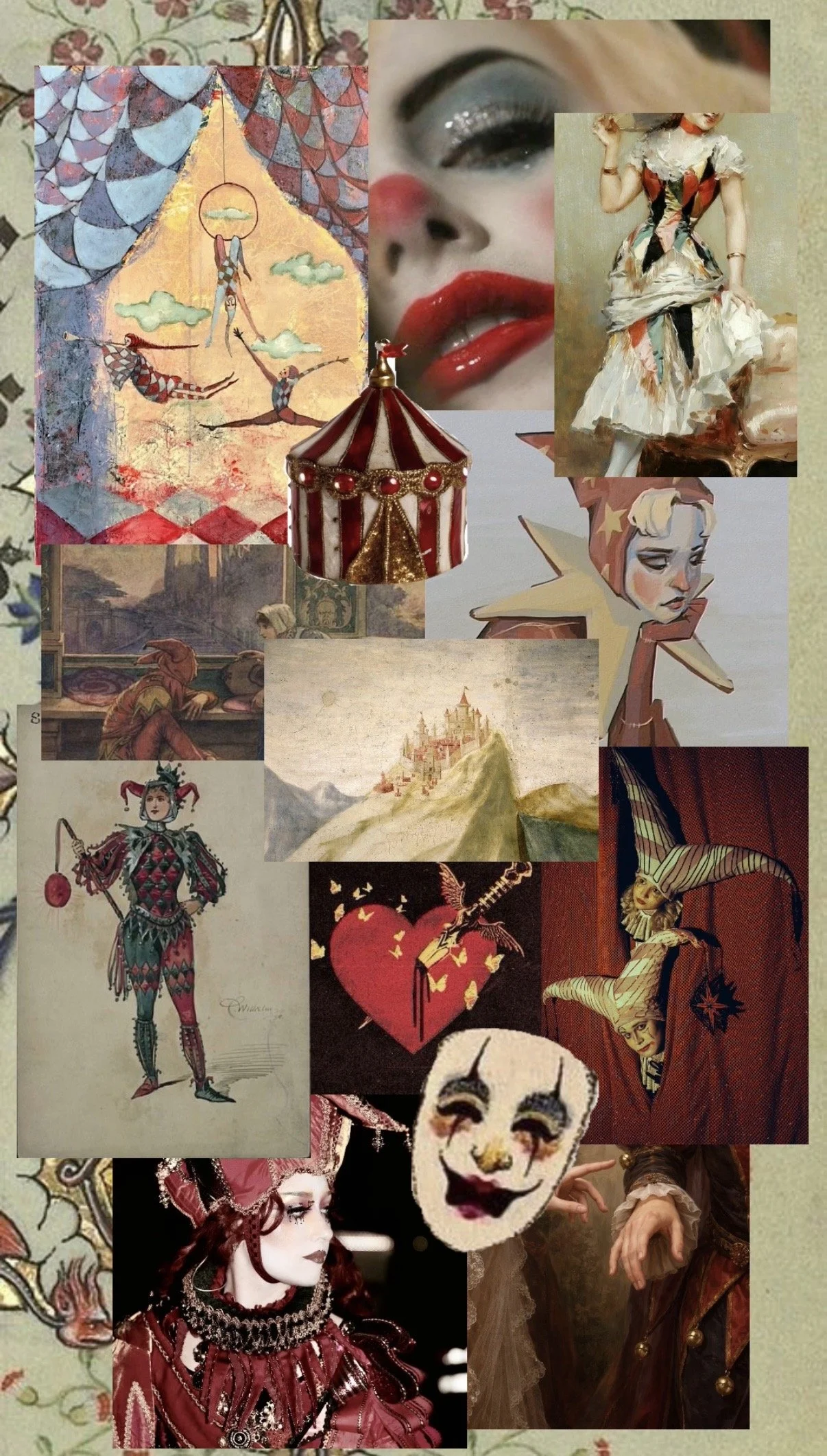
The Jester
Eclectic fashion taste.
Good at comebacks, witty, and has no filter.
A questionable sense of humour, in a funny way.
Connections to anyone and everyone.
Good at theatrics.
Super artsy.
Troublemaker persona.
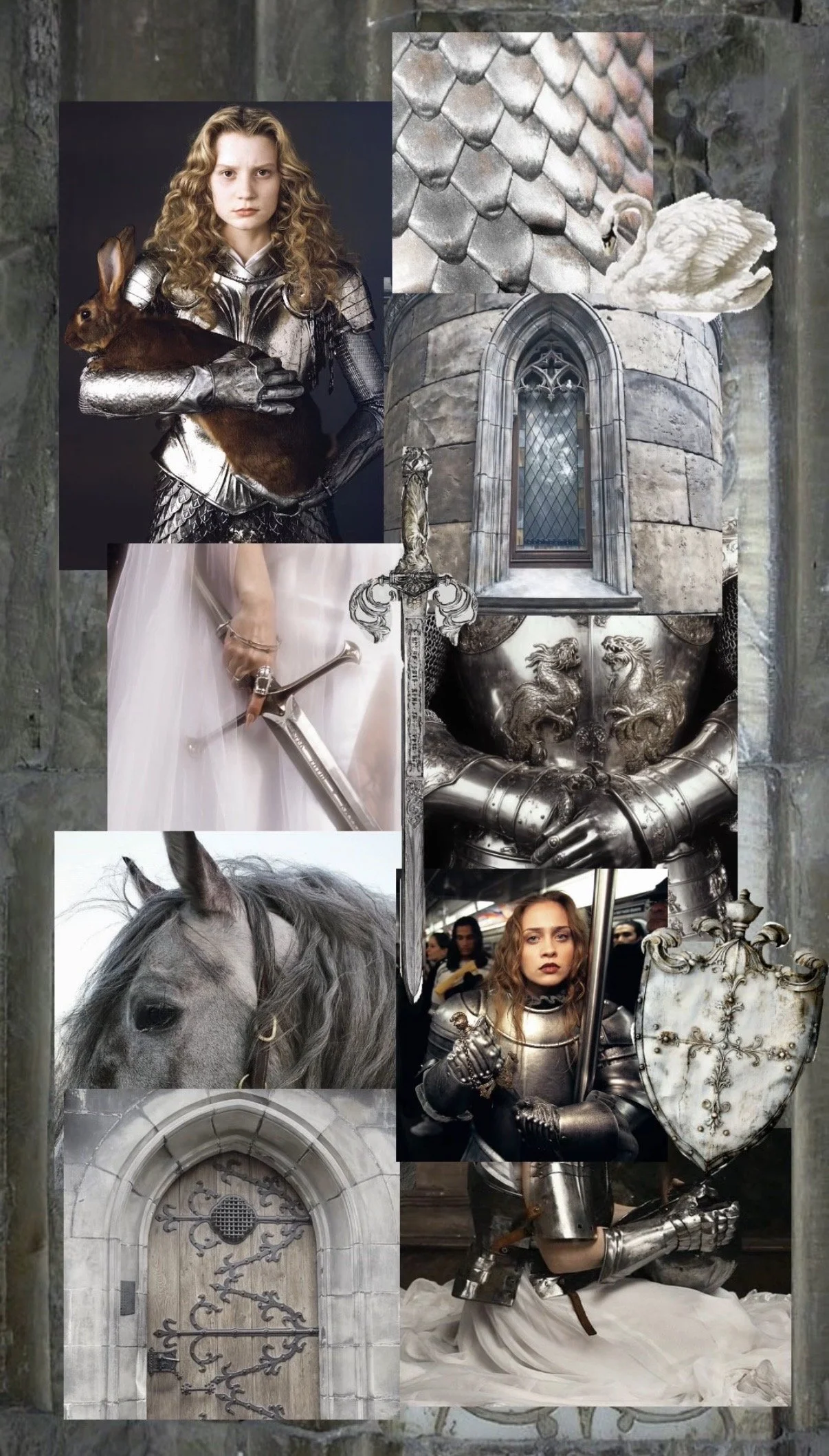
The Knight
A sword, of course.
A devoted and undying sense of loyalty.
Serious persona, independent.
A strong defensive system.
Major RBF, but as sweet as a cinnamon roll.
Knows how to fight.
A noble steed.
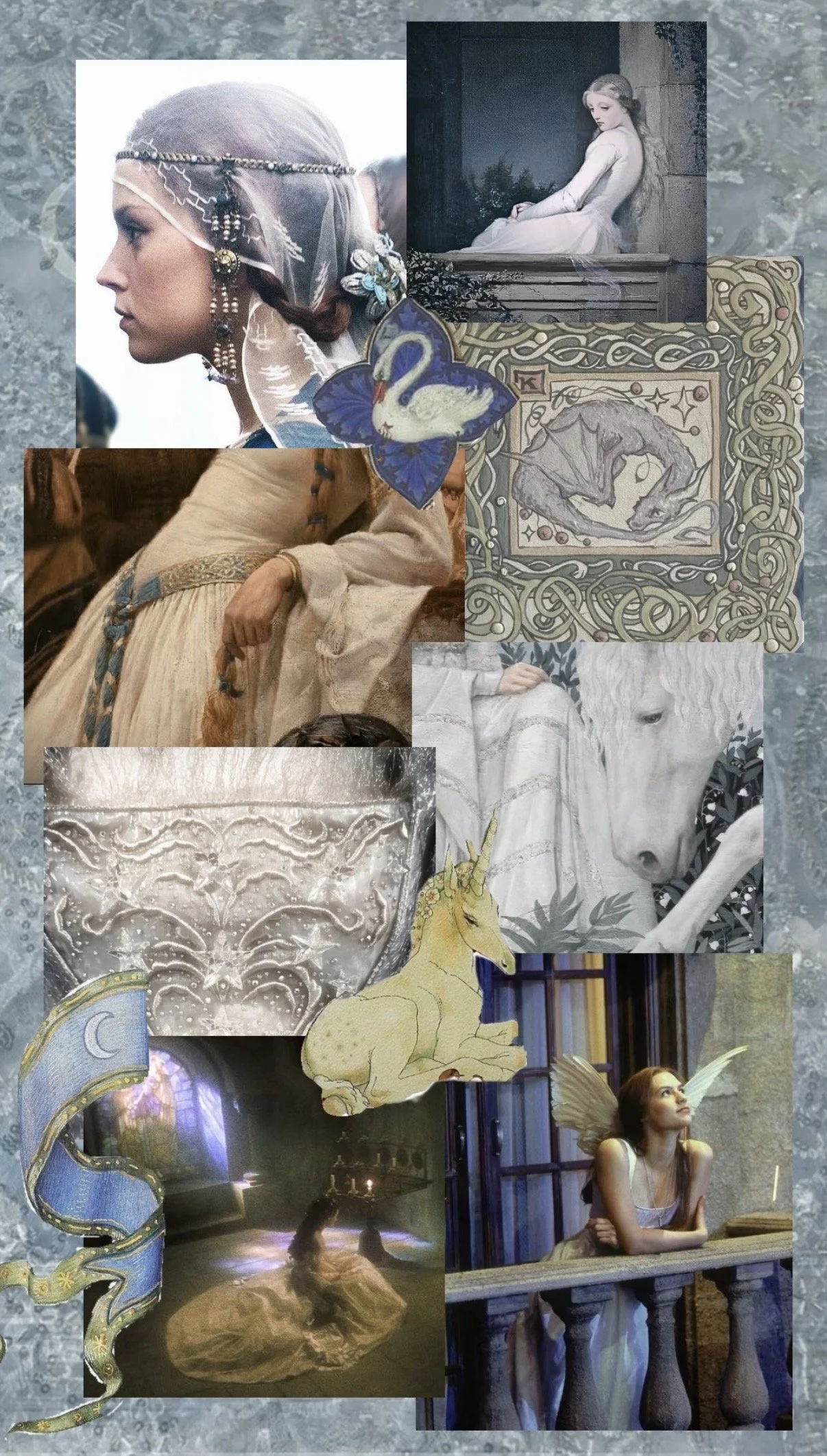
The Maiden
Head in the clouds.
Dreaming of all the possibilities, especially romance …
A bookworm, especially for romantasy and gothic romance.
Soft-hearted and loves animals.
Loves to DIY random things.
Candle obsession.
A handsome knight.
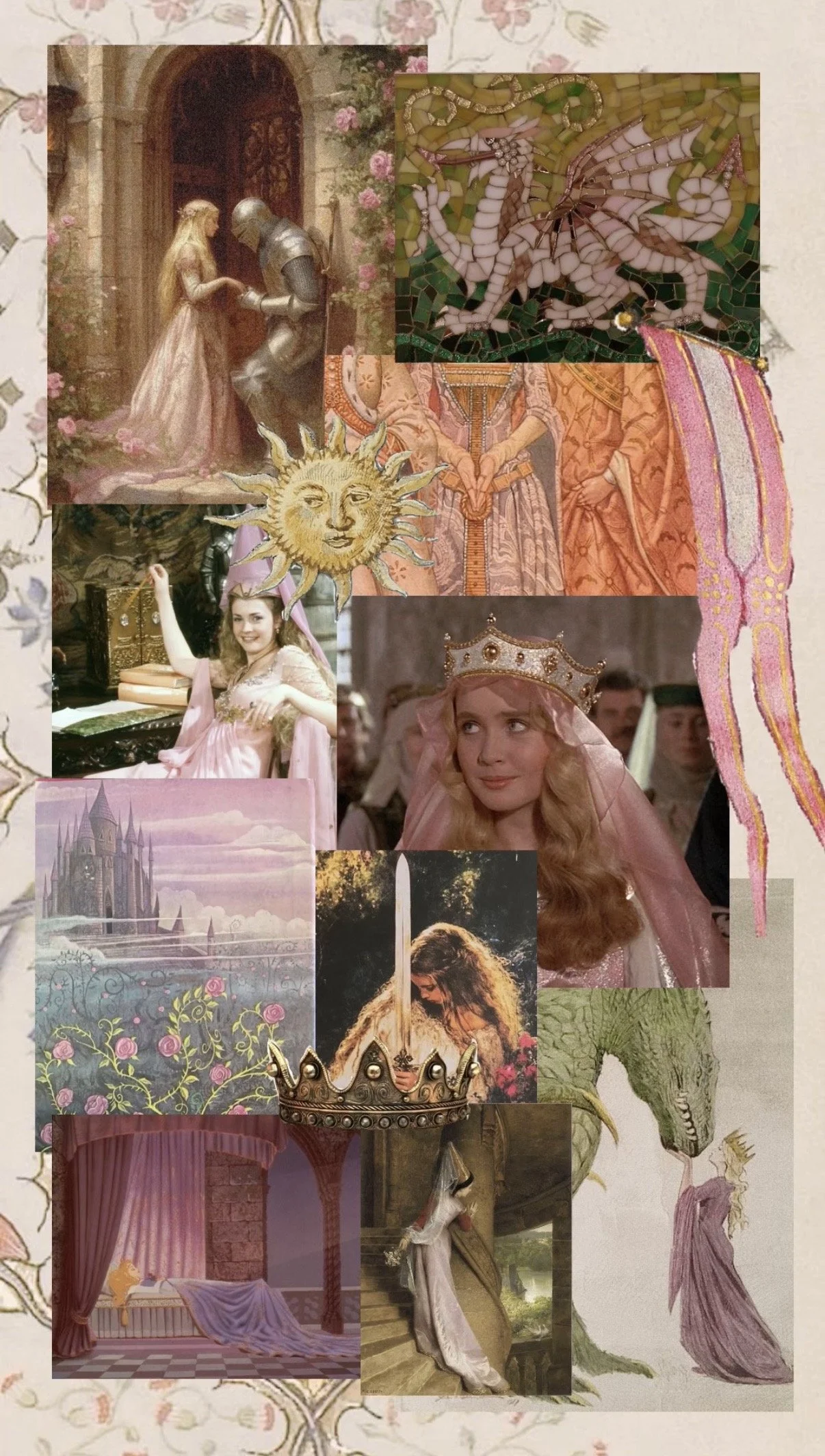
The Princess
A crazy good wardrobe, with endless rows of clothes.
A demanding and sassy demeanour.
Charming and confident asf.
Knowing how to work those around you.
Shopaholic. Loves to spend gold.
Will do anything for those they love.
Lots and lots of jewelry.
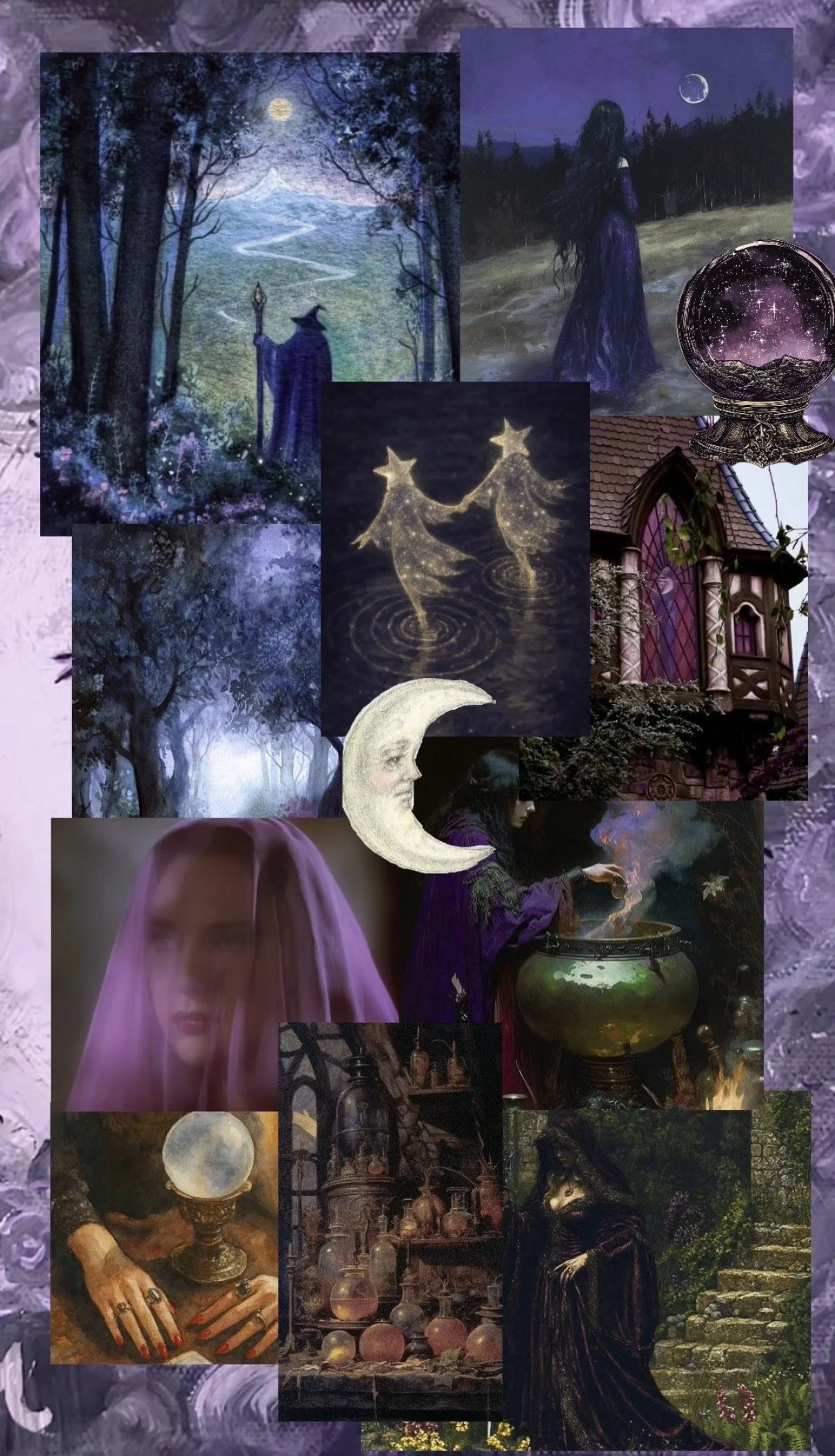
The Mystic
An off-putting sense of humour.
An interest in making random concoctions with any ingredient.
A third eye, super intuitive.
Animal obsession, especially cats.
Love for the celestial bodies.
A deep love for black and purple, as well as lace and velvet.
Lavender incense.
Medieval beauty standards were incredibly strict, a tale as old as time that has not changed one bit. Along with not showering and drowning yourself in perfume, here are some proposed standards as depicted in medieval art. Starting off with the biggest misconception: that medieval men and women did not bathe. Now, I cannot account for men since I did not do any research on them, but my guess is that they probably did not. But women were actually very hygienic! Supposedly, they washed up daily, so that squashes that claim.
Moving on to appearances, in many art pieces women appeared to have plucked hairlines and undetectable eyebrows for the standard of a ‘high and noble forehead.’ My forehead would have made millions, but supposedly this signified intelligence and refinement. Unfortunately, forehead size has nothing to do with either of those, but hey! Another one which is honestly super ironic, is that they used lead-based face powders to give themselves a white complexion to confirm to others that they did not work outdoors due to paleness. However, these leads have been found to be poisonous, womp womp womp. Along with the lead-based powders, wheat starch and lilies were other products used, these ones natural of course. As well, rosy cheeks and full lips were in. Women used natural rouges such as berries, roses, flowers, herbs, and mixed with water or animal fats, to put on their lips and cheeks, signifying vitality. Or throughout the day, women would pinch their cheeks for a natural flush. Blush has definitely made a strong comeback though!
As for body standards, a pear-shaped figure, which is wide, round hips with a pronounced pelvis was idealized as the most attractive because it was a symbol of fertility and a woman who has grown into her womanhood. Contrary to belief, having a rounder and fuller figure was more desired than being thin, symbolizing health, prosperity, fertility, and access to food. This distinguished the different classes of women, especially wealthier women, as stated before having lighter skin and now a fuller body meant that they did not do work outdoors. How about work, though? What did women do back then?
Women contributed to the economy quite heavily! The three different classes of women all contributed to different fields of work. If they were not raising children, then lower-class women worked as bakers, maids, artisans, weavers, and tenant farmers alongside their families for the most part. Many women worked as religious leaders as well, typically as nuns or in convent work, which was also a space for education. Middle-class women, usually the townspeople, worked as seamstresses, weavers, brewers, or worked alongside family businesses, as well as raising a family. As for higher-class women, many took on the role of noblewoman, overseeing work around the house. Managing finances, overseeing the servants, arranging supplies, etc. So basically the noblewoman was a manager. Now, imagine a medieval LinkedIn?
Madeleive Nucelle
1409-1412: Milkmaid at Ye Olde Dairy Farm
Milked cows, made cheese, churned butter, and raised baby cows.
1412-1414: Seamstress at Versarchery
Stitched, sewed, fixed and made clothes. And threaded the bobbin.
1414-1415: Taverner at The Witches Brew
Made … “ale” and some other interesting drinks.
1415: Lady of the Manor
Running my own house, full of animals and clothes!
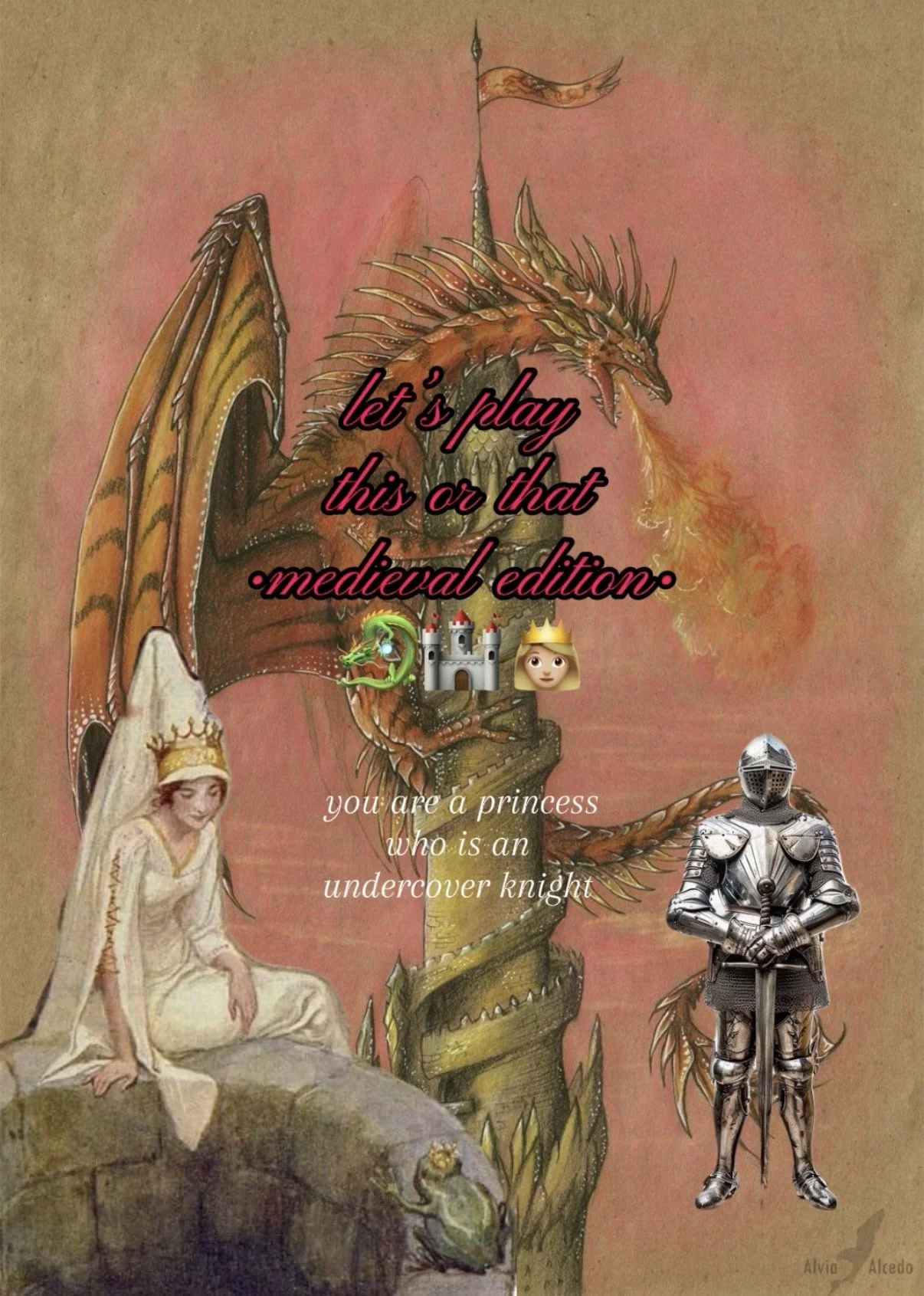
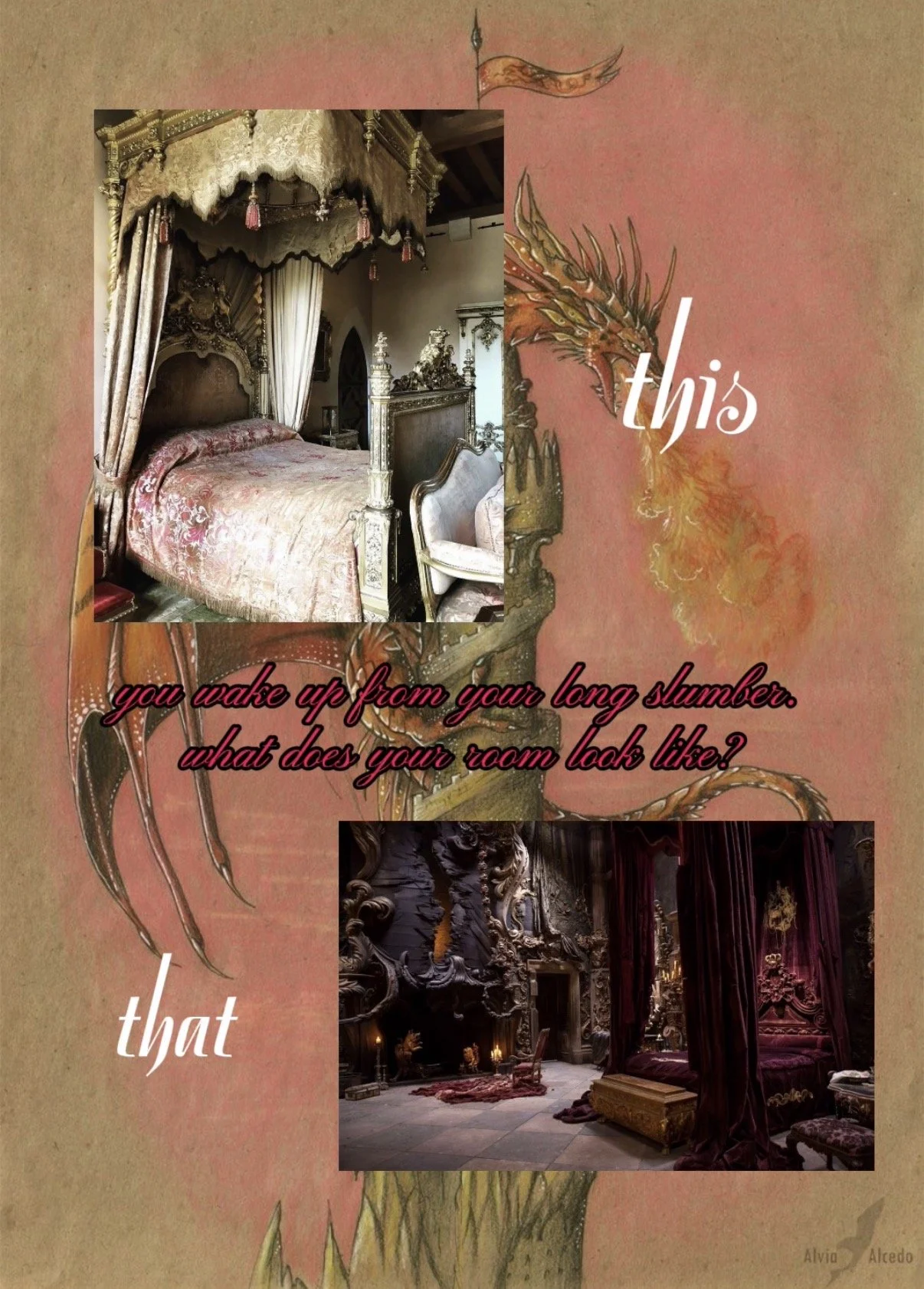
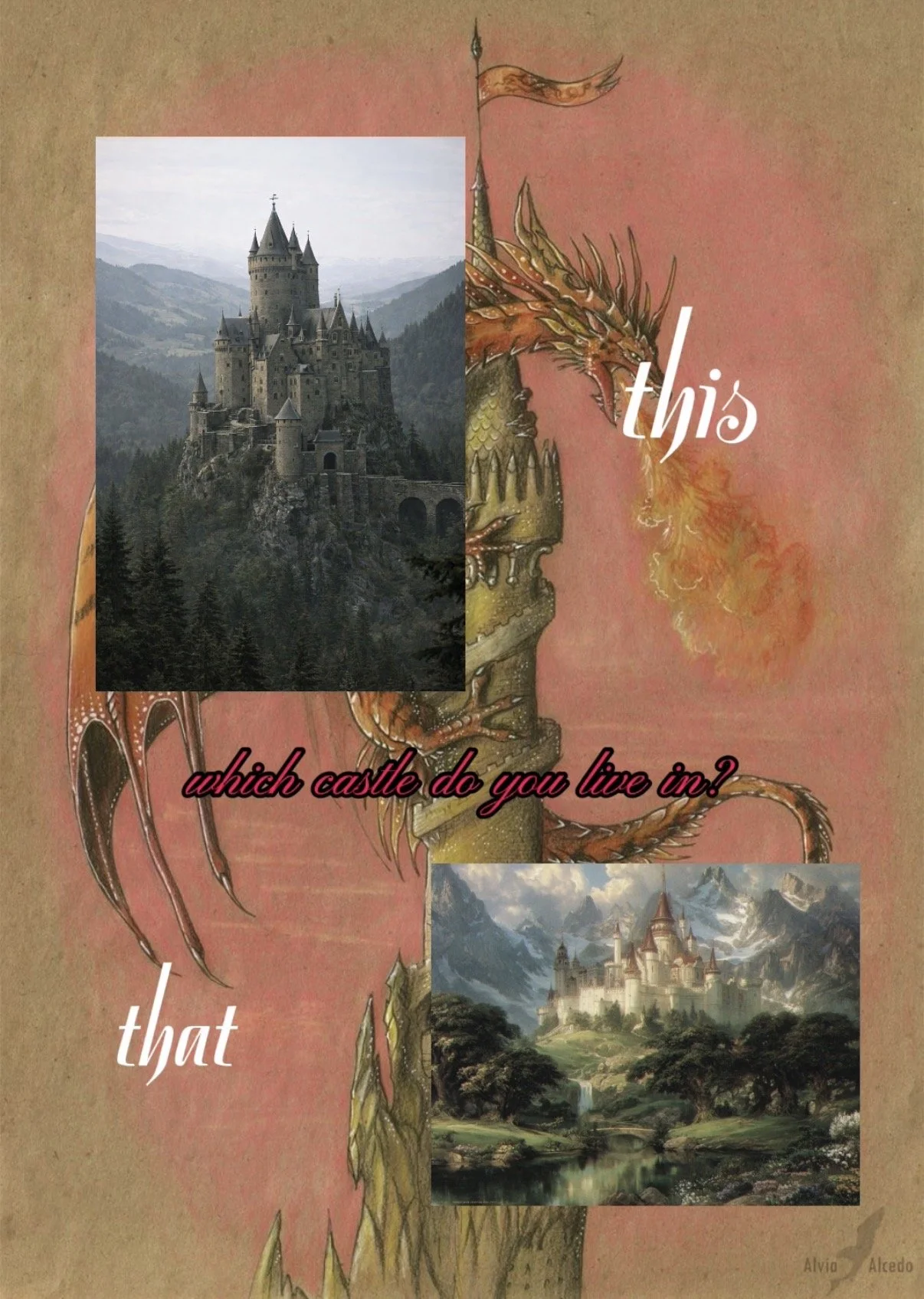
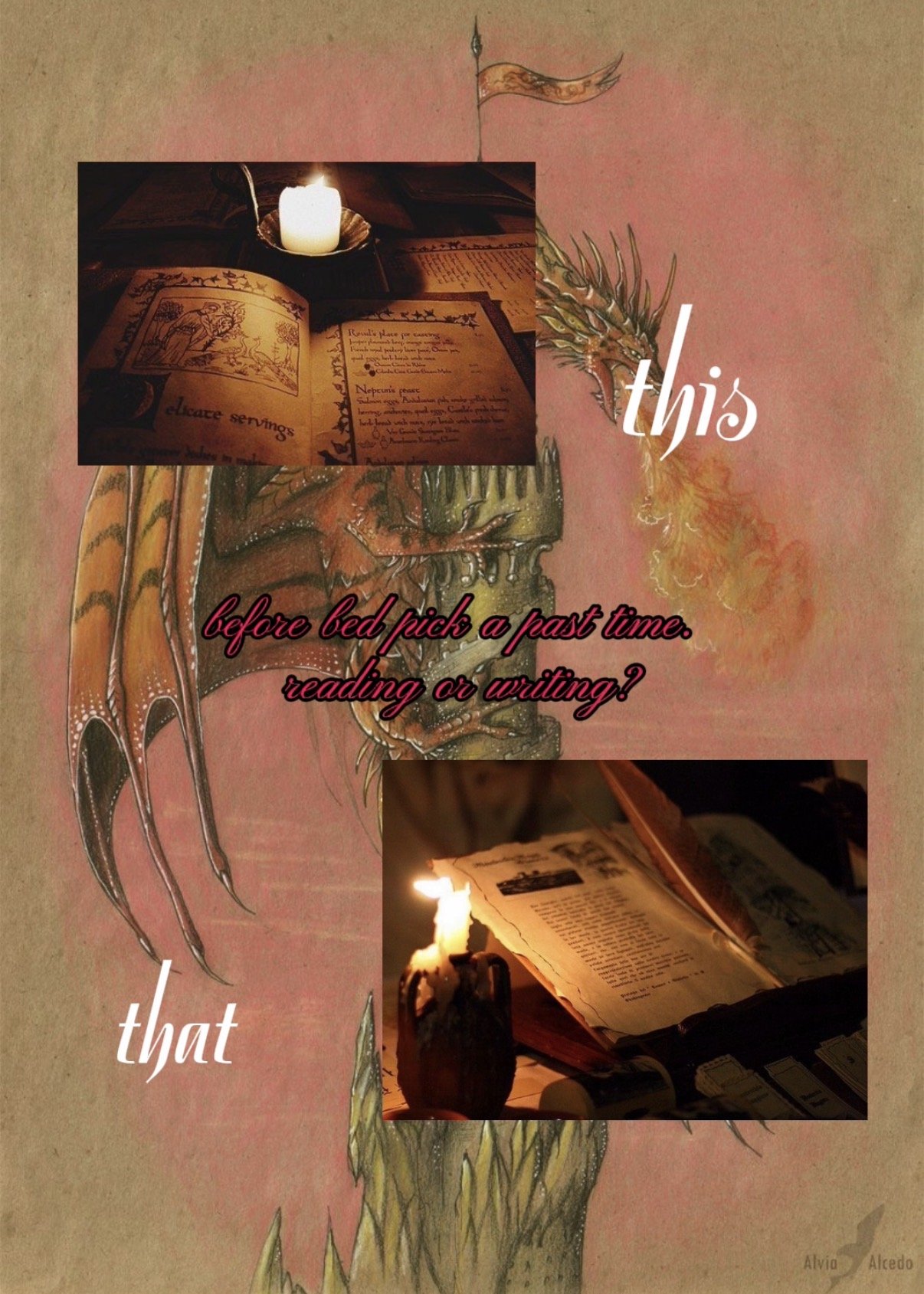
Next game on the list is this or that! POV you are a princess who is an undercover knight, as if that ever happened but the idea is fun so let’s do it.
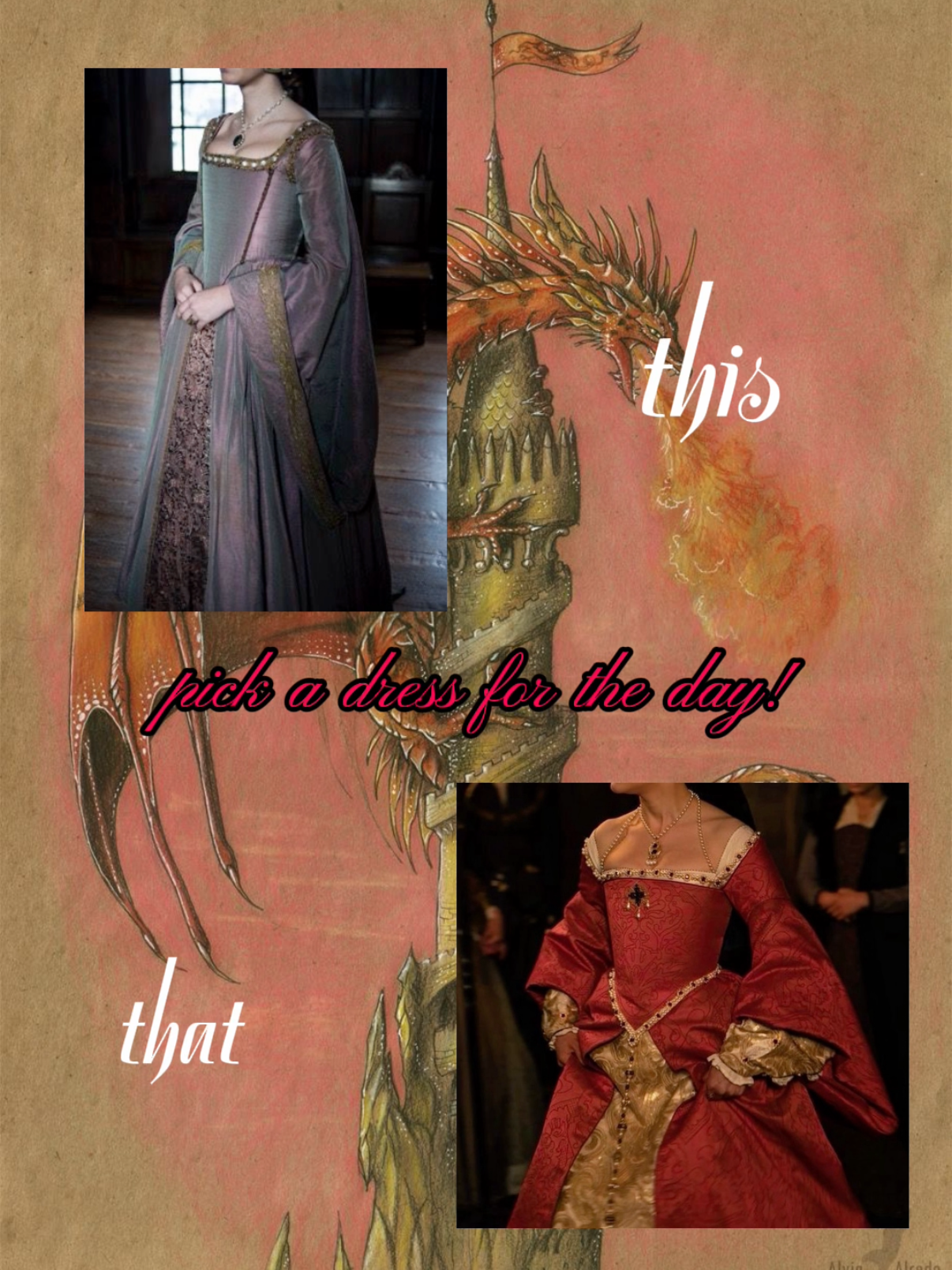
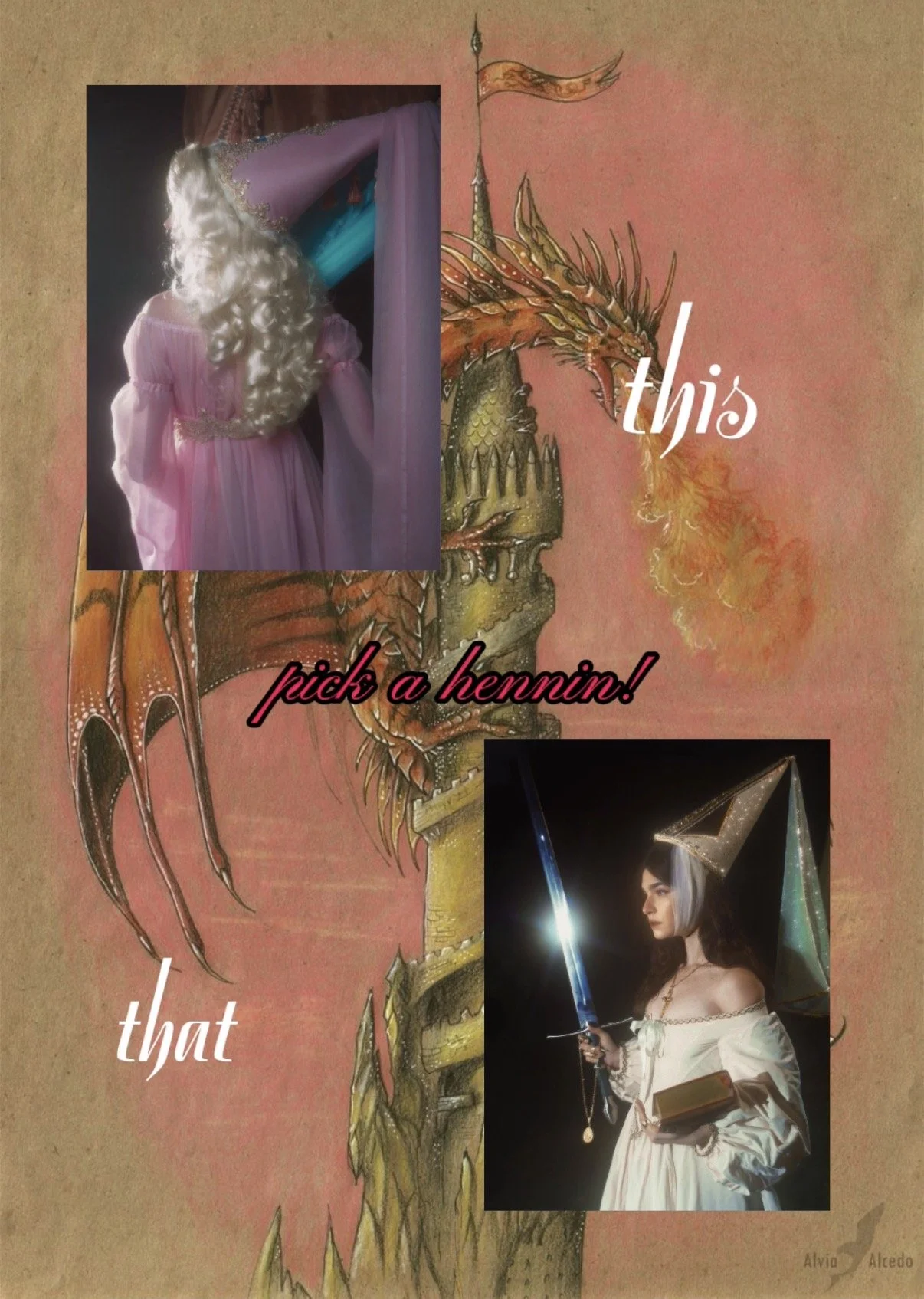
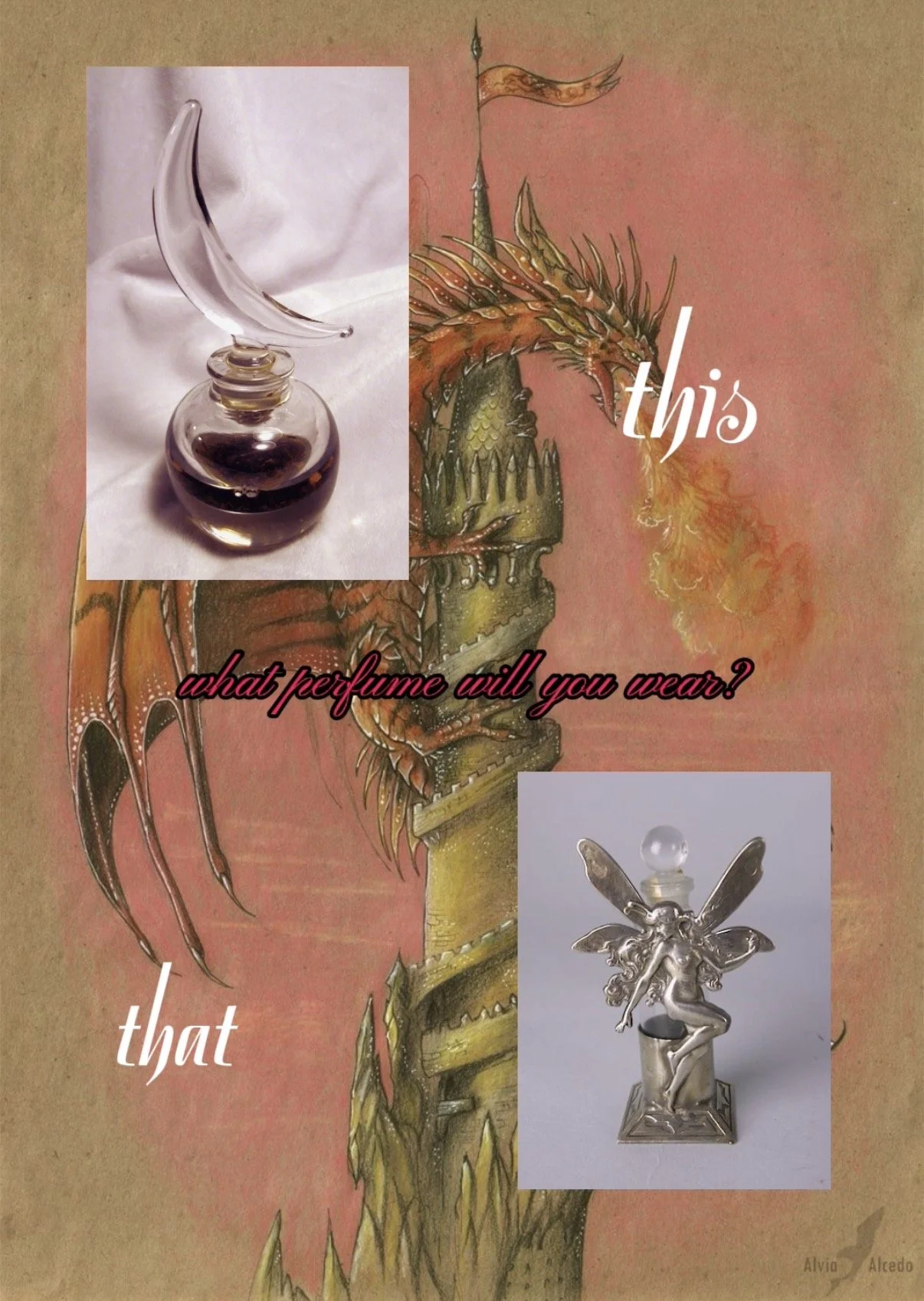
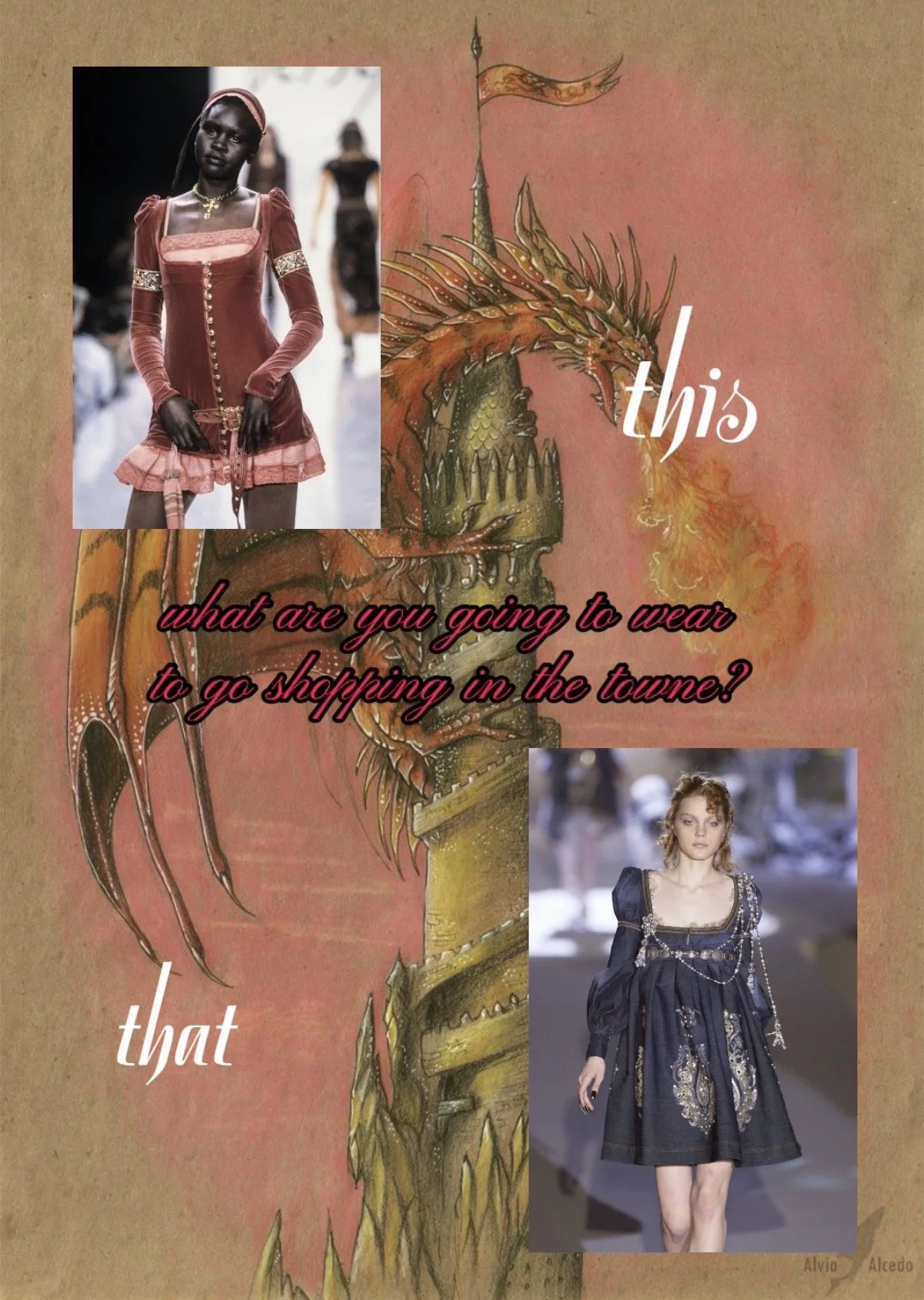
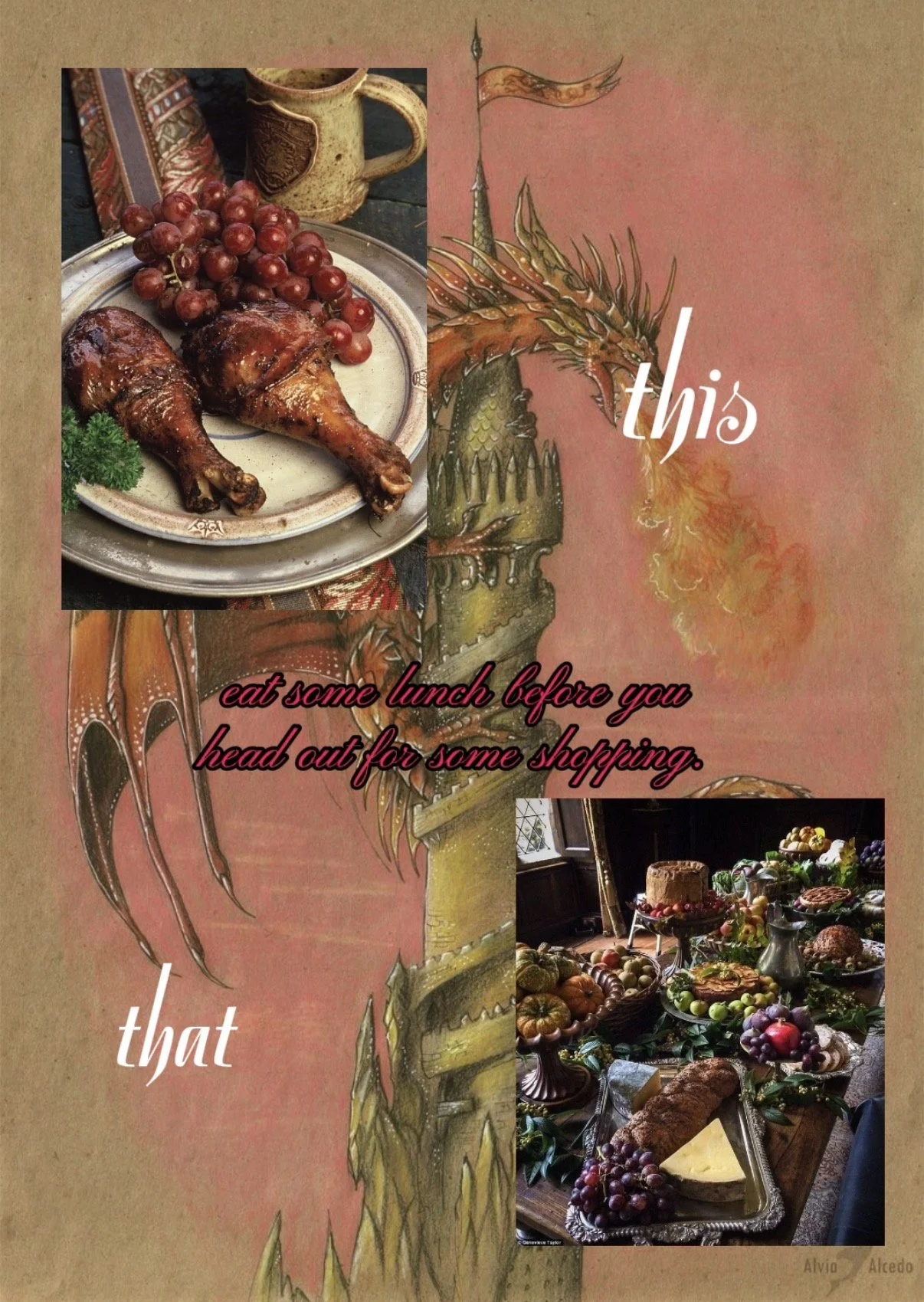
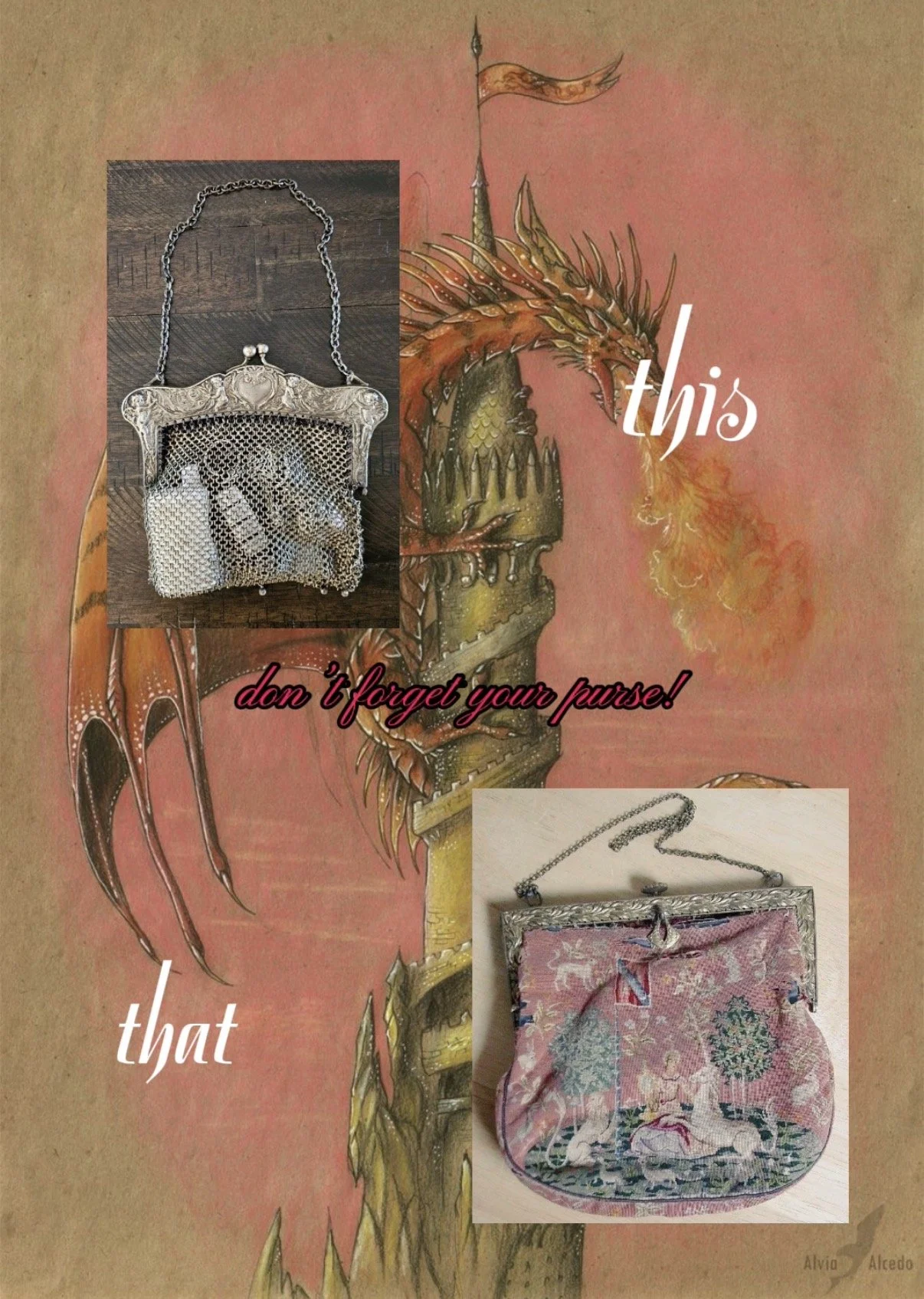
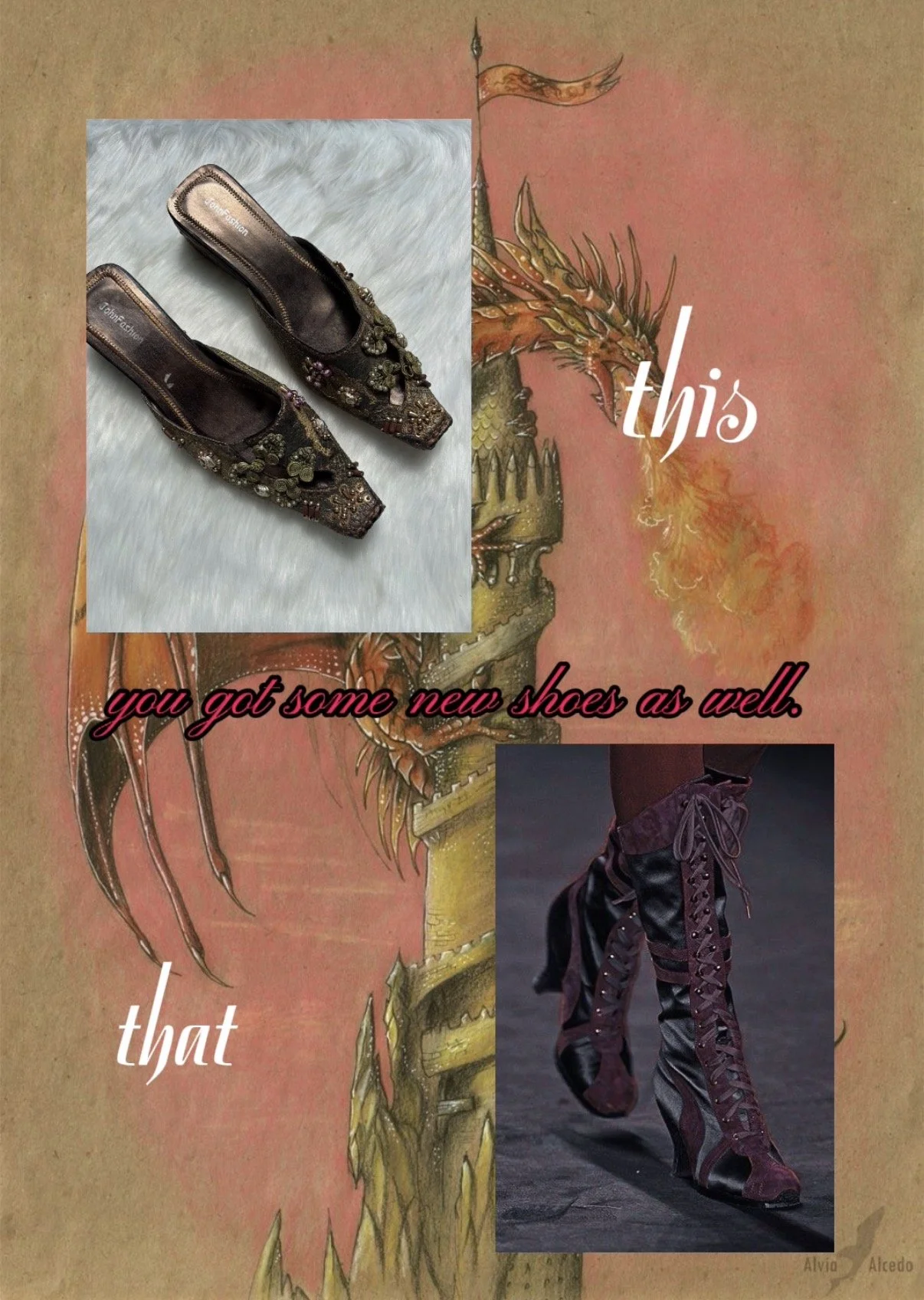
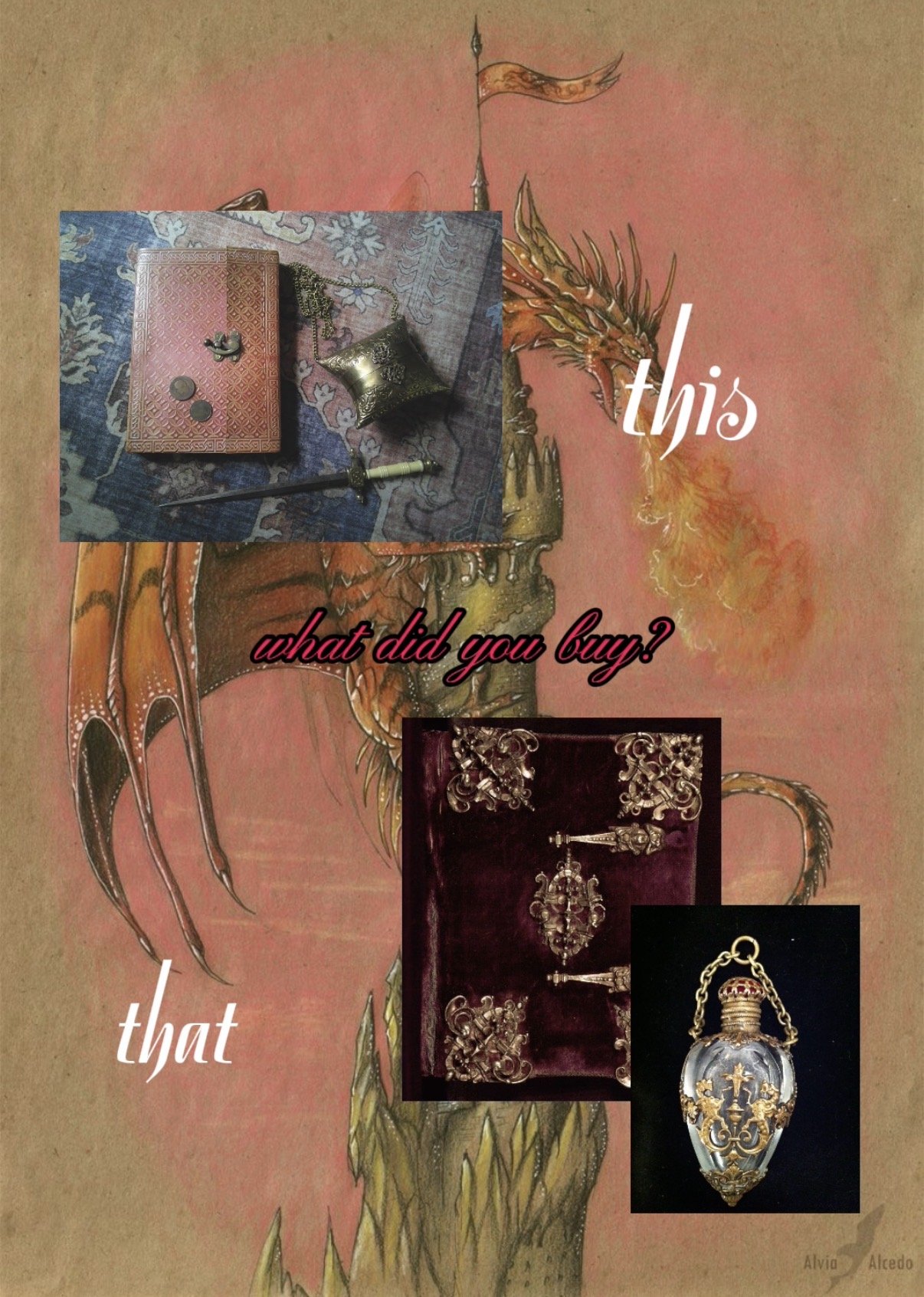
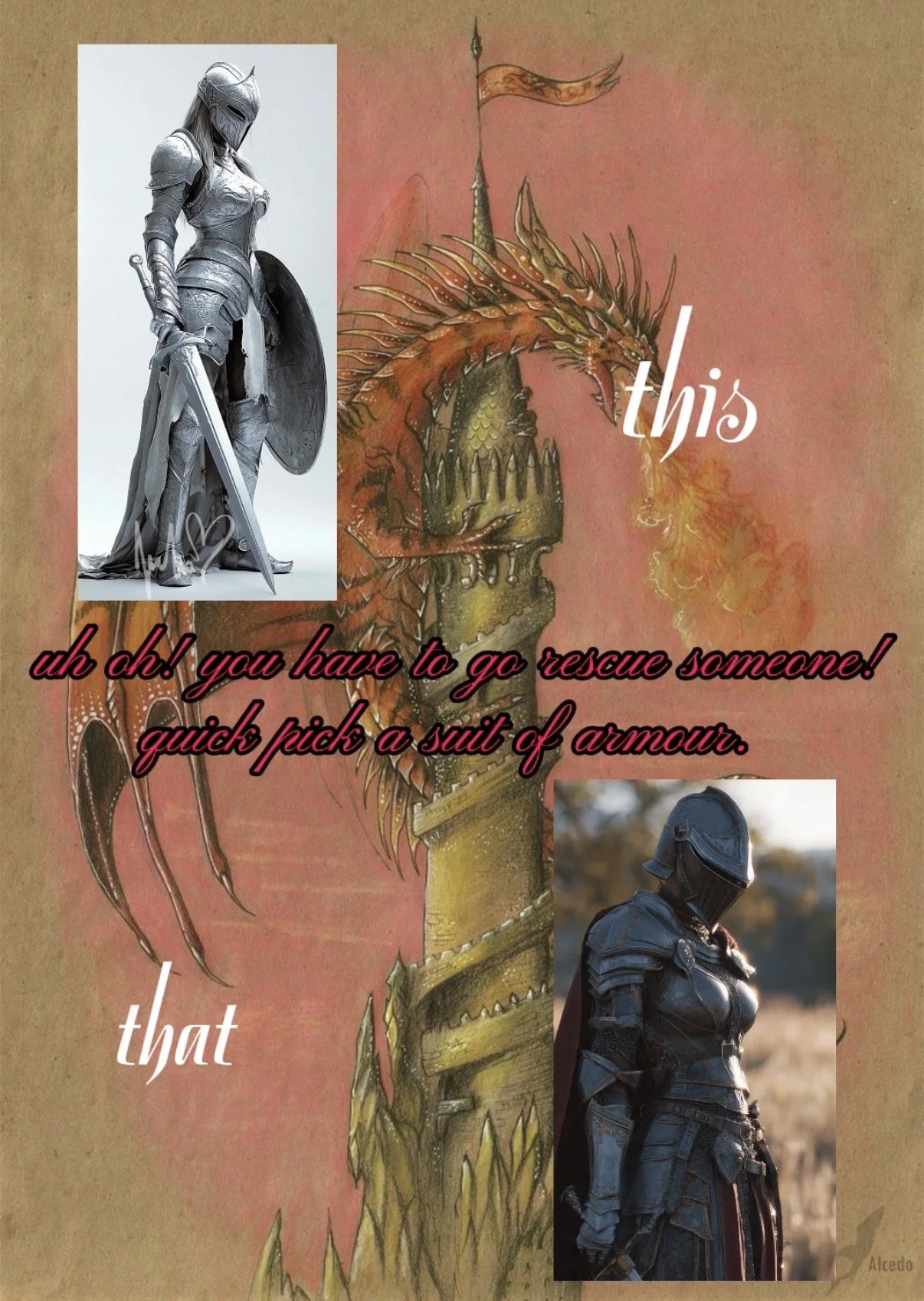
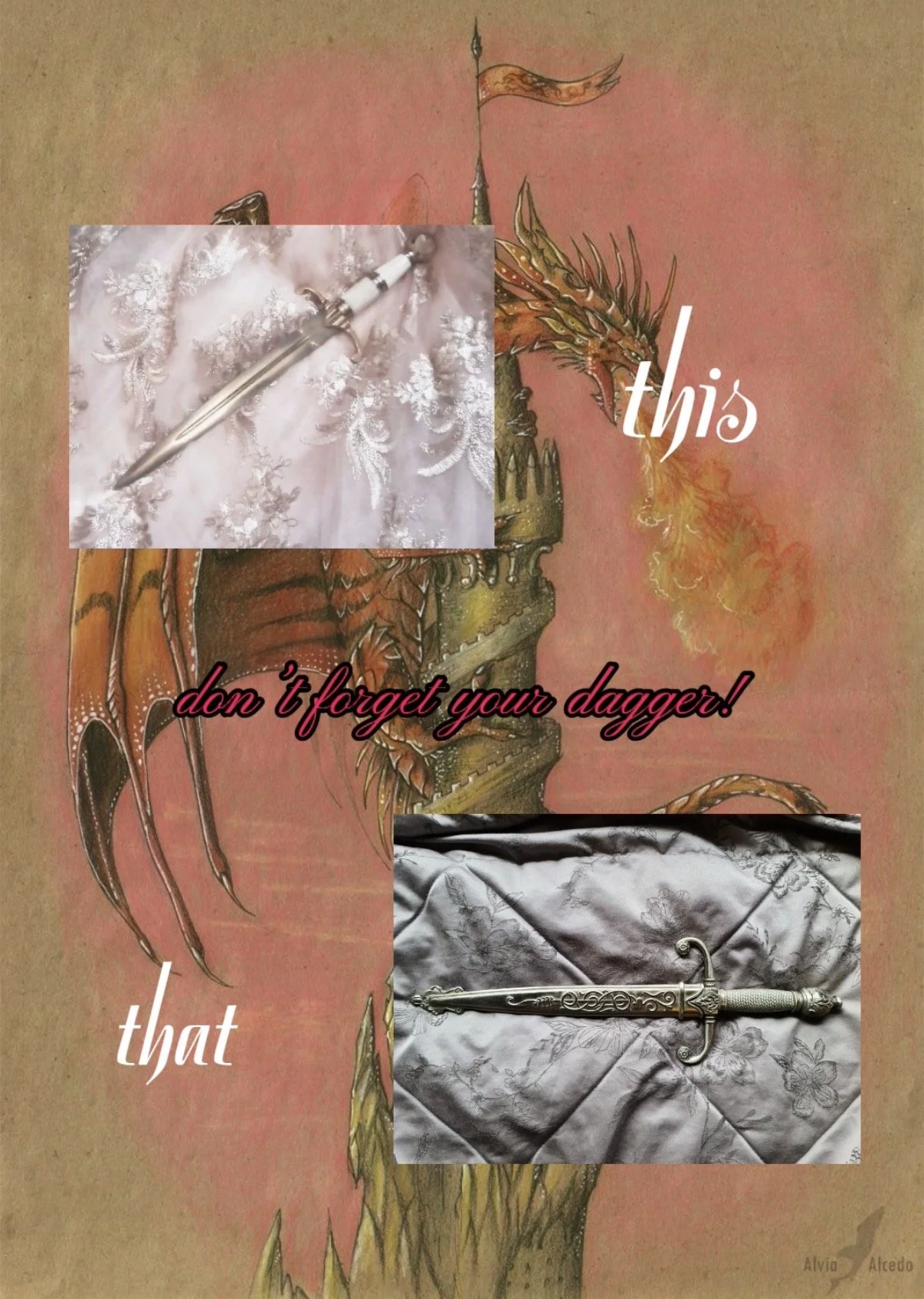
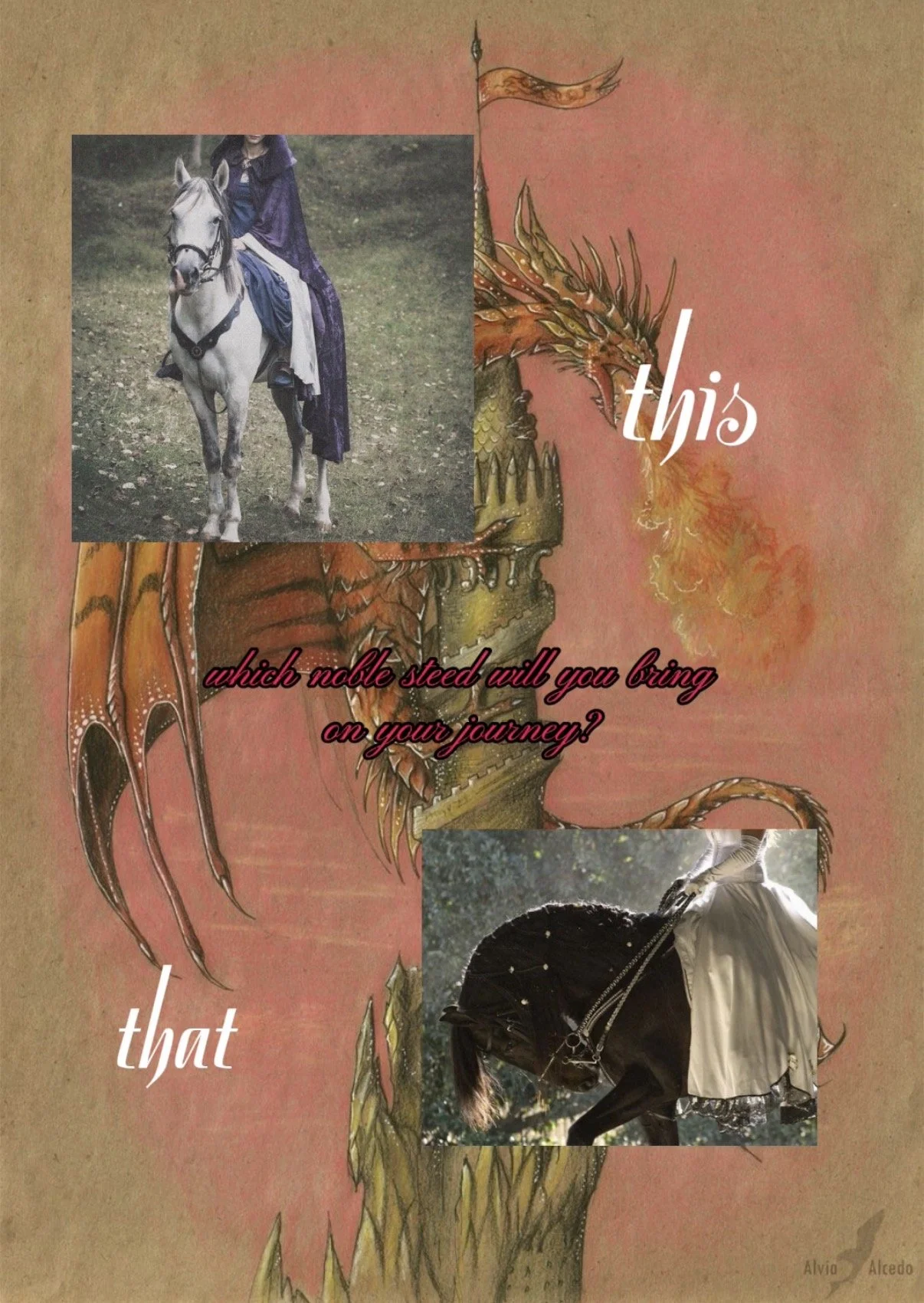
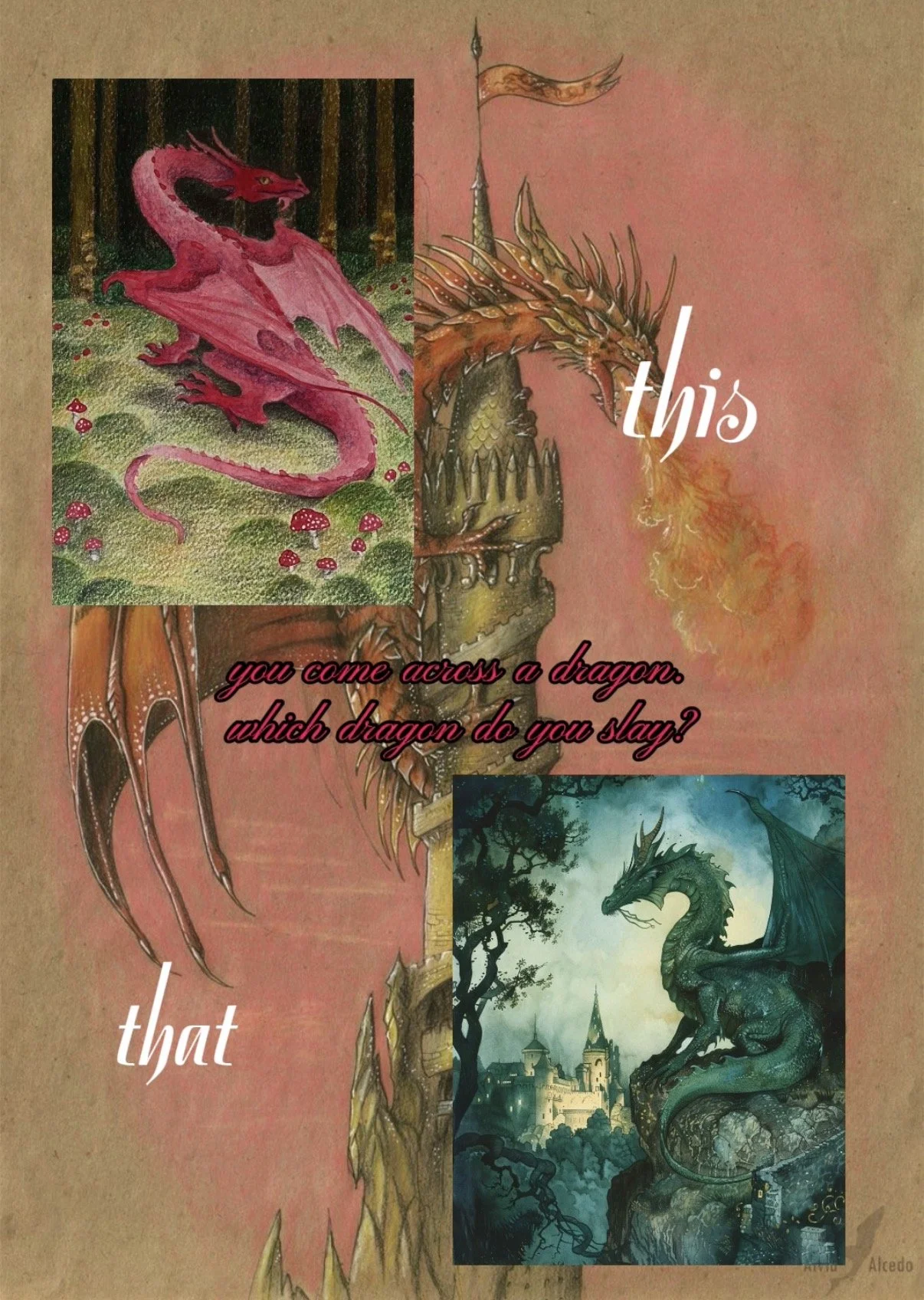
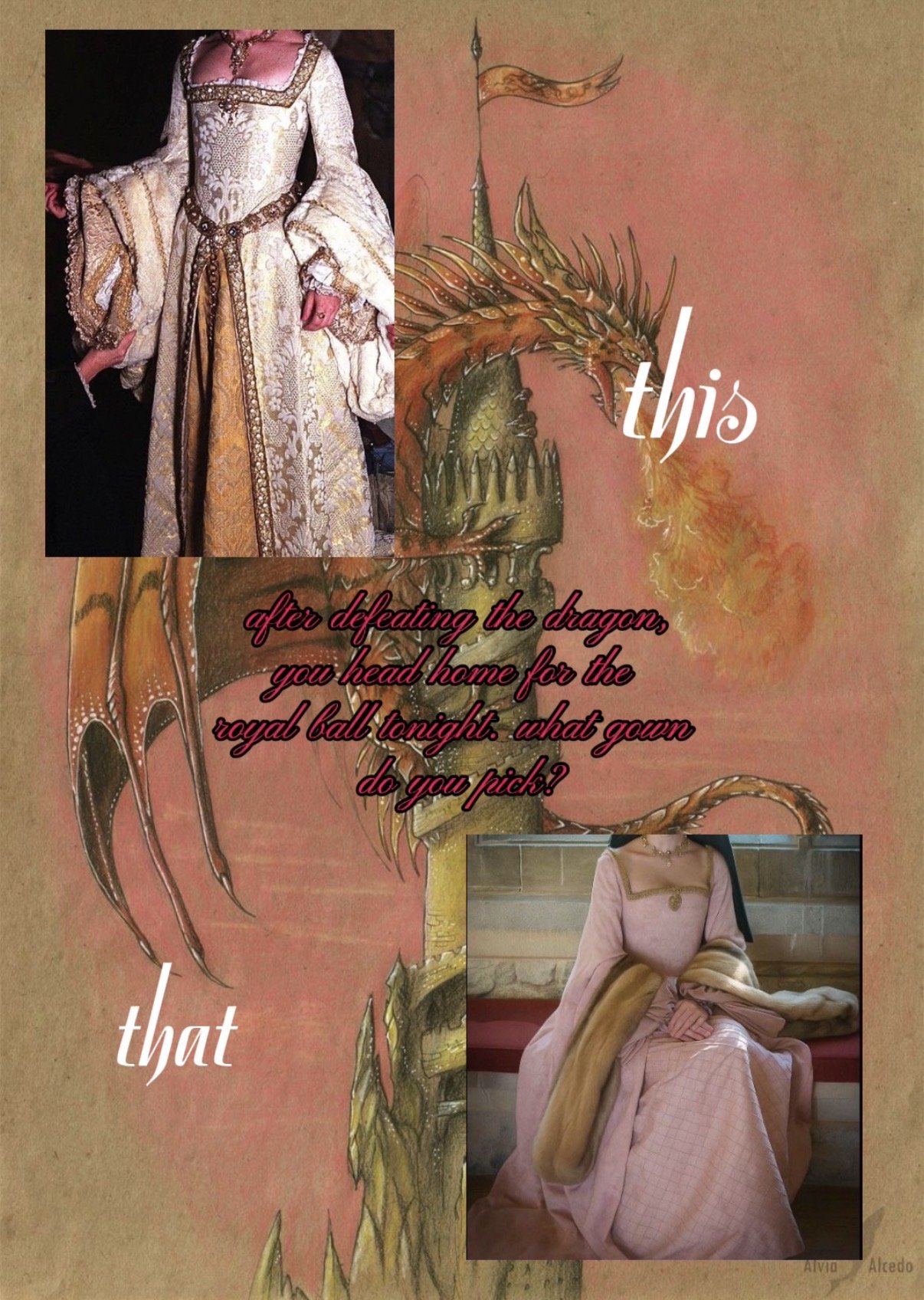
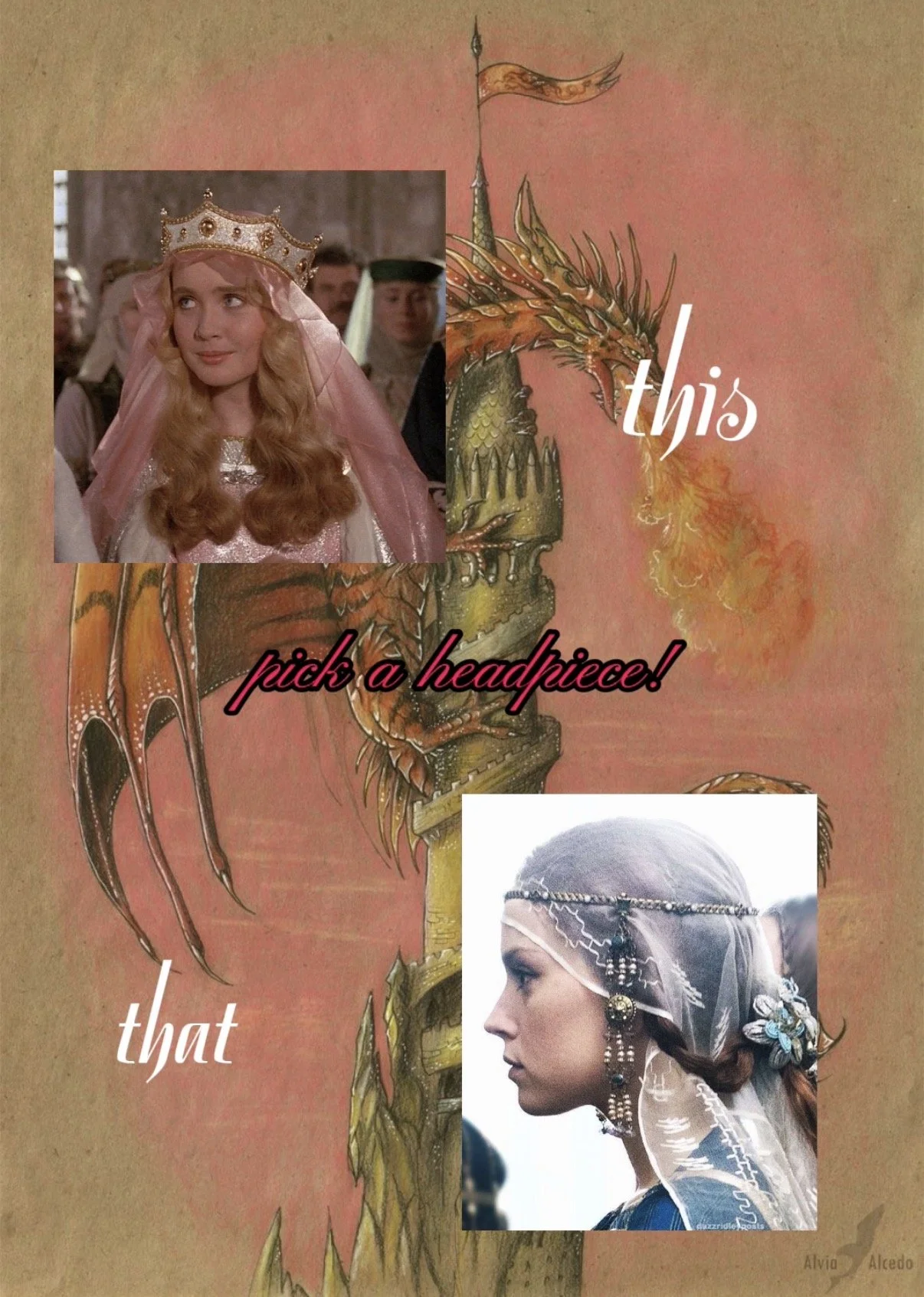
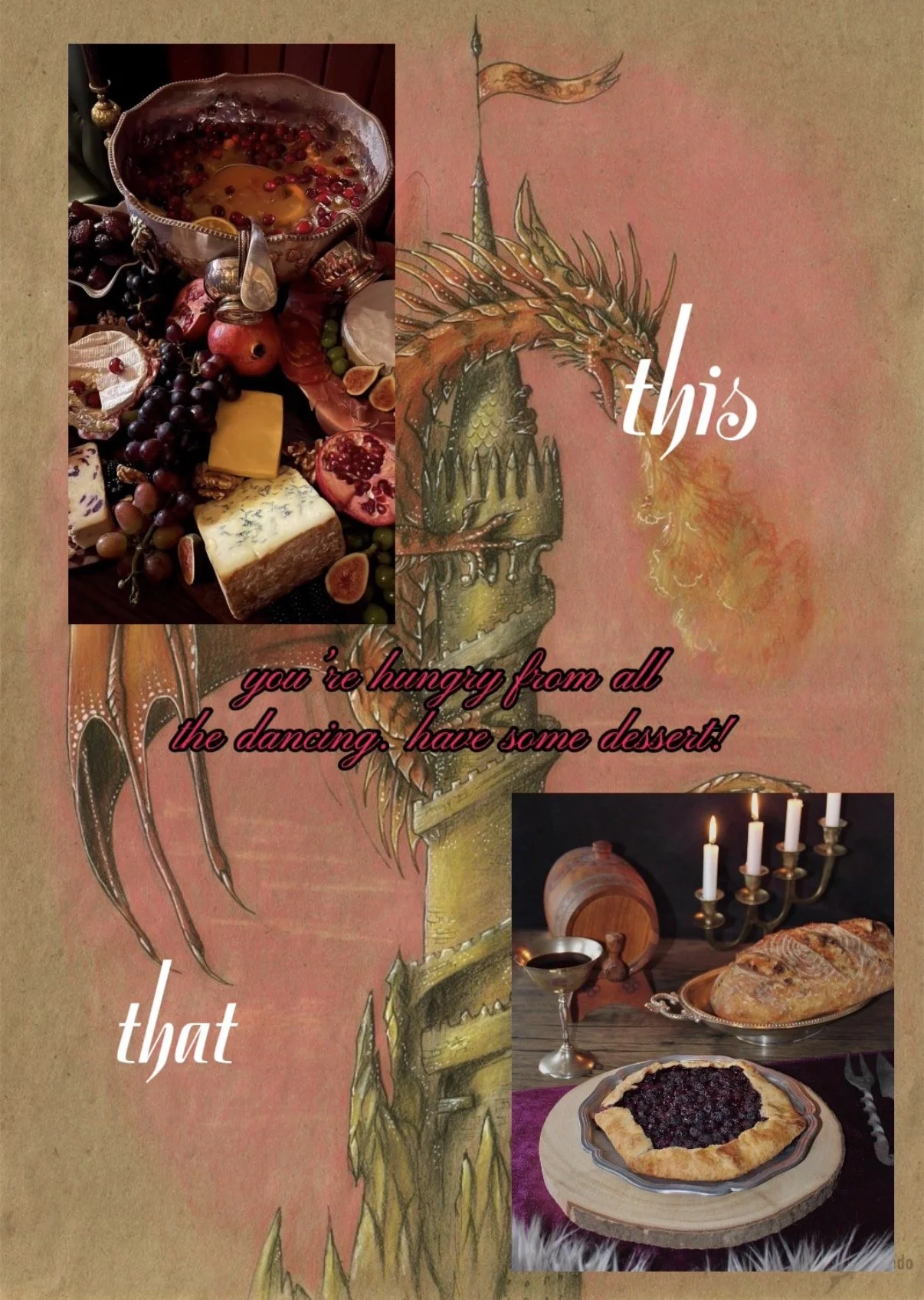
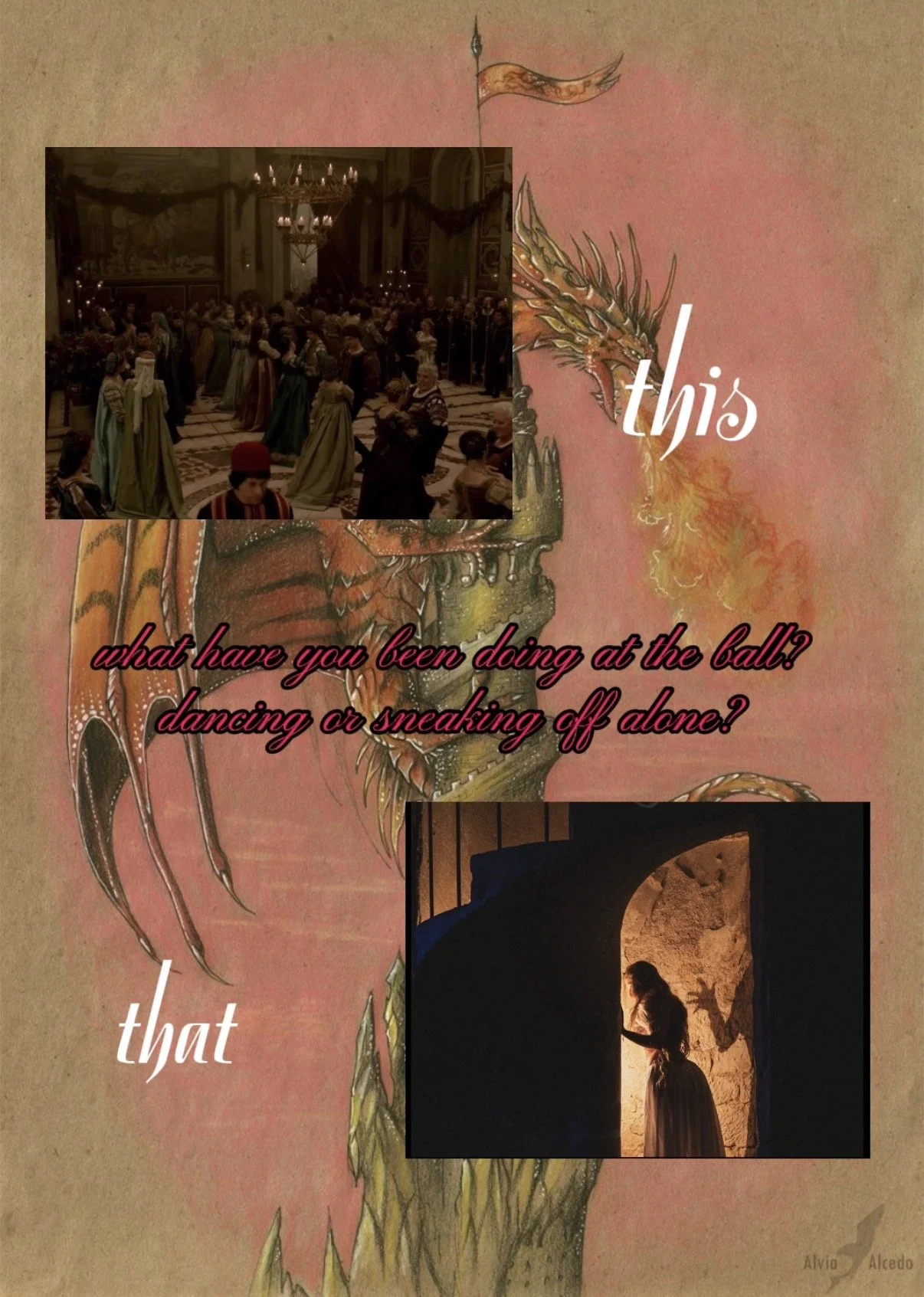
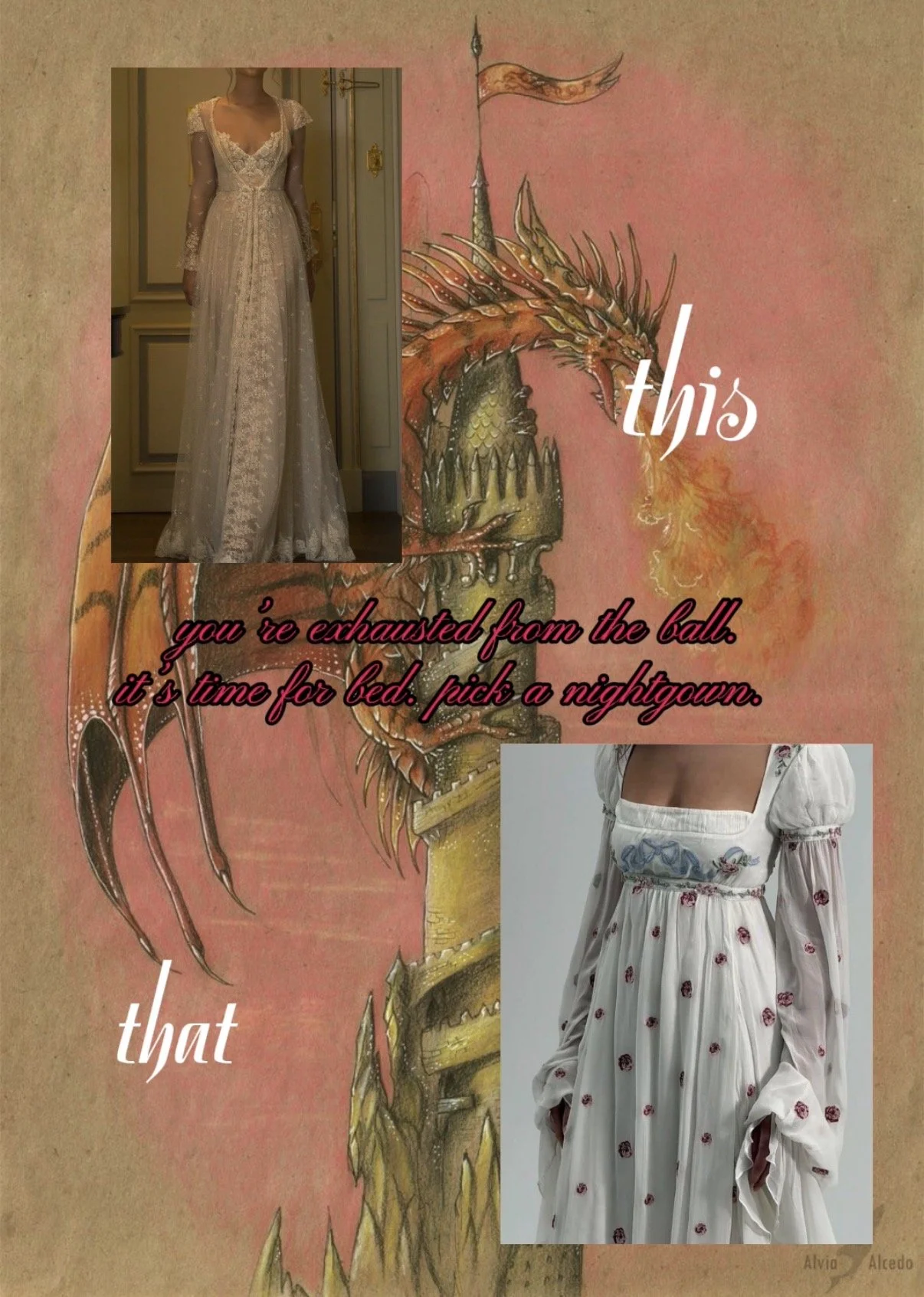
Lastly, we have the hair and fashion before we wrap up. Looking at 1200-1500 directly, although that alone is a 300-year span, clothing was always seen as a symbol of status. Working women opted for more practical fashions such as a linen underdress with a long wool or linen overdress. Complete with a belt and simple leather shoes, and a headpiece for married women. Colouring on dresses depended on what one could afford, most lower-class women opted for simpler and less pricey fabrics, which usually had little to no colouring. As for noblewomen, this is where all the pretty dresses that we see in the movies come in. They wore long, fitted or flowing gowns, with elaborate sleeves, embroidered fabrics, and costly fabrics, such as silk and fur. They accessorized with jewelled belts, brooches, jewelry and headdresses or veils.
As for hair, they did not get as lucky as us with heated tools! No such thing as a Shark FlexStyle, so their hair must have been literal silk. The braid was the most popular style amongst women. They did singular braids, multiple braids, wrapped the hair around the head, pinned up, or in buns or other structured styles. The braided crown was another popular style, or hair wrapped around the ears. As well as half-up half-down styles and just plain down, although it was not as popular due to married and adult women having tight restrictions on how they could style their hair. It was deemed immodest and highly seductive amongst older women, so typically only younger girls wore their hair down to signify their youthfulness. And as mentioned earlier, the headdresses were the thing. Hennins, snoods, horned headdresses, wimples … they were the thing to have. They were the medieval version of our TNA spiral sweaters.
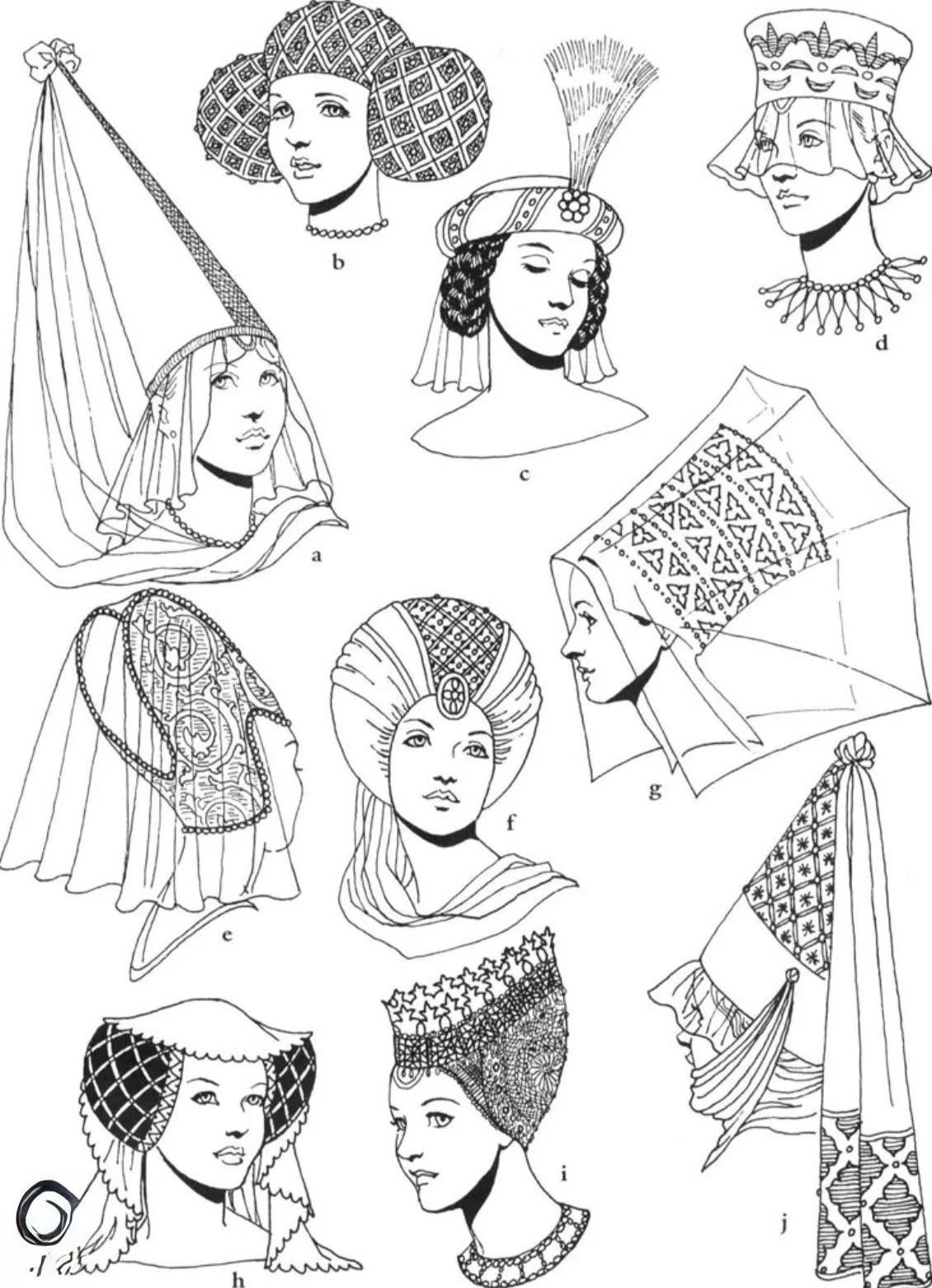
Medieval Headdresses
The most common headpieces that women wore.
And so the tale comes to an end. I know this is not nearly enough coverage of women in the medieval times, I would absolutely love to do more. But, I tried to touch upon the girly things, like makeup, hair, clothes, all that. Knowing me, I will probably do a more in-depth version of the medieval times as a whole soon enough, but I wanted to throw some fun girly medieval vibes out there in the meantime for the end of summer.
While it has been gathered that the medieval times were not the fairytale that the movies and TikTok make it look like, we can still romanticize the pretty parts despite knowing that it is not what truly happened. But, realistically, nobody on this Earth knows exactly what it was like all those years ago, so it can be whatever your imagination wants it to be. That is always the most fun conclusion to come to anyways.
Despite everything, the Medieval Times remain such an important and interesting piece of history to look into. And while I would never actually want to live in that time period, we can still pretend we are princesses and love it from the comfort of our 21st century bedrooms … and they lived happily ever after!
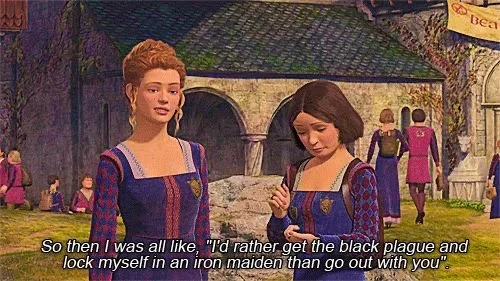

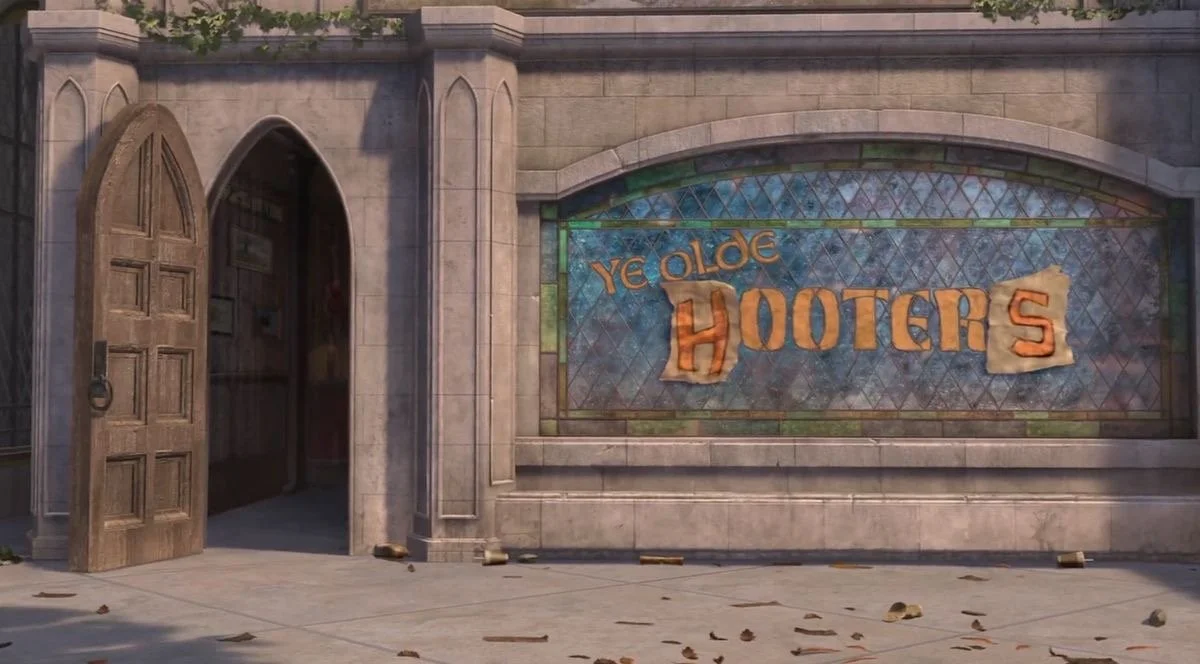
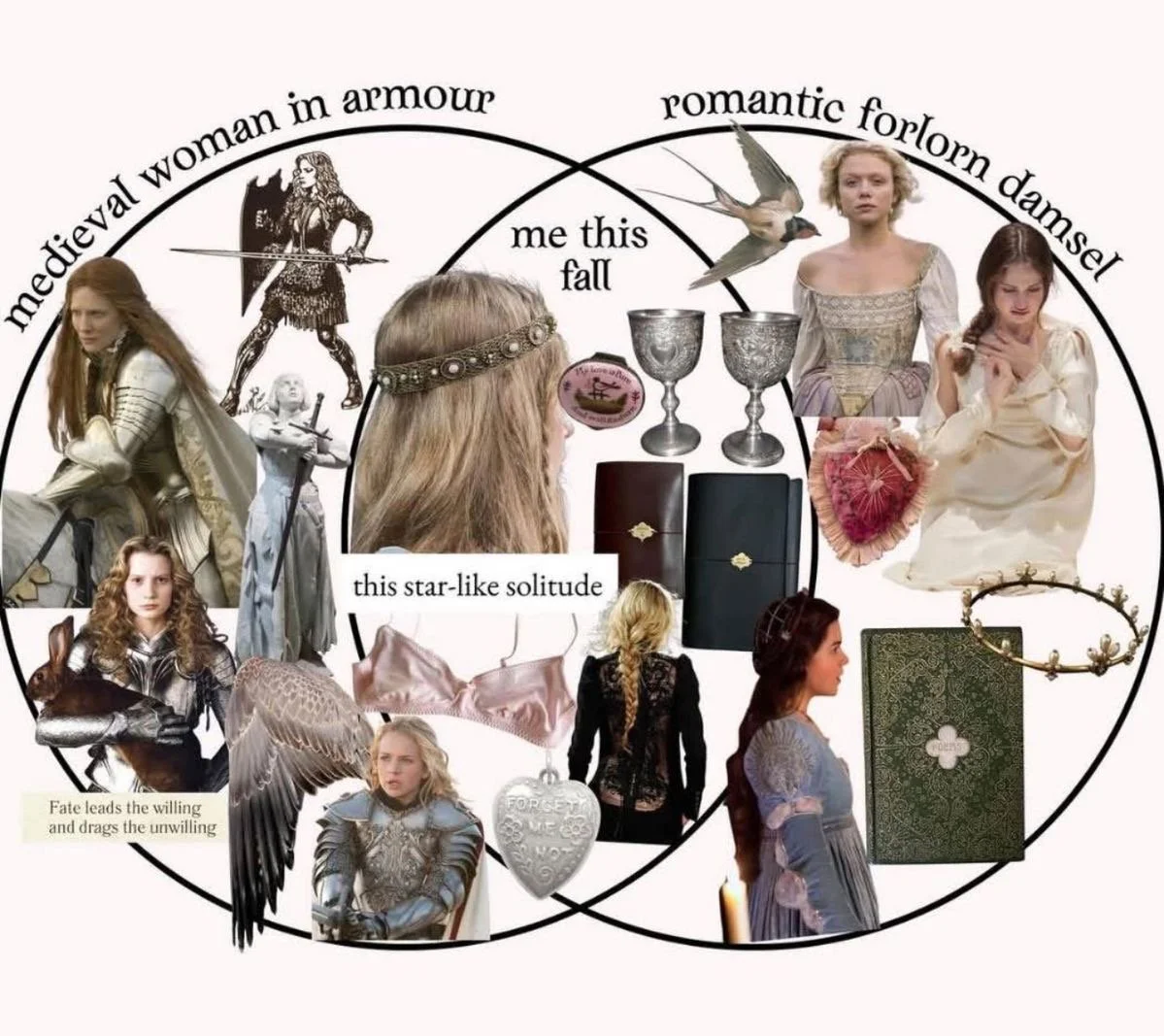
Here are my favourite medieval memes, I just wanted to share (I know, I’m a loser).
