all that glitters is not edward cullen
It is officially HALLOWEEK! Us vampires are crawling out our graves!
Welcome to yet another deep dive into the mystery surrounding mythical creatures. Today is all on vampires and whether their existence is real or not, but I’m also covering some history, pop culture ideations, and modern day legends. Now, as much as I appear pink and fuzzy on the outside (most of the time), get to know me and you will see that my insides and personality are very much spooky gothic graveyard with a shroud of mist. Get to know me long enough, and you will see the emo phases emerge every now and then. Anywho, I do believe vampires are real - for the most part. One, because some people are freaks and definitely will drink blood and two, because there are many different kinds, not necessarily ones who just drink blood, but feed off energy. I don’t want to reveal too much, so let’s dive in before I get too carried away.
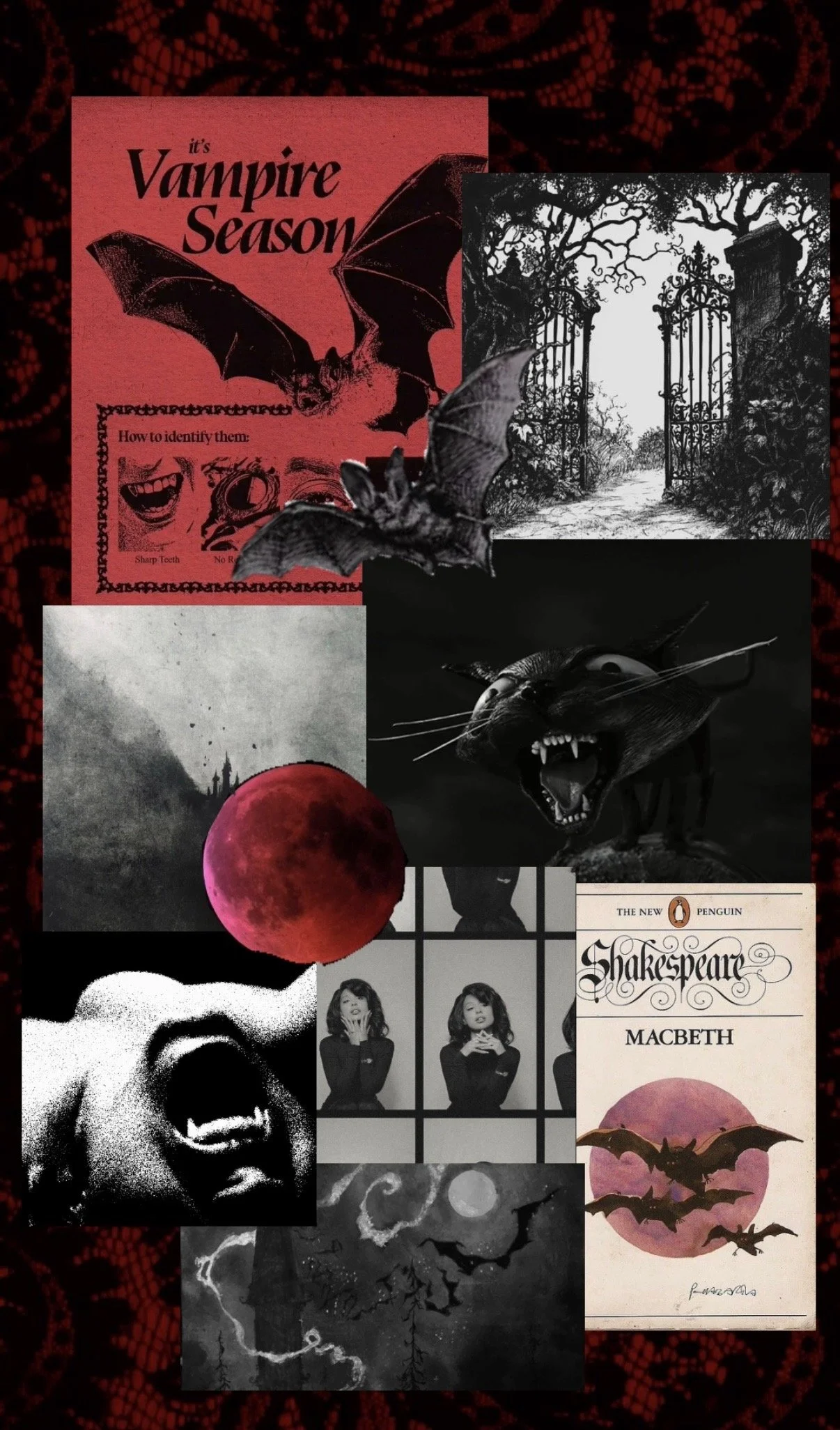
But, before we really begin, you know I love to throw some fun in here, so let’s play a little vampiric game. Create your life as an immortal vampire in Transylvania!
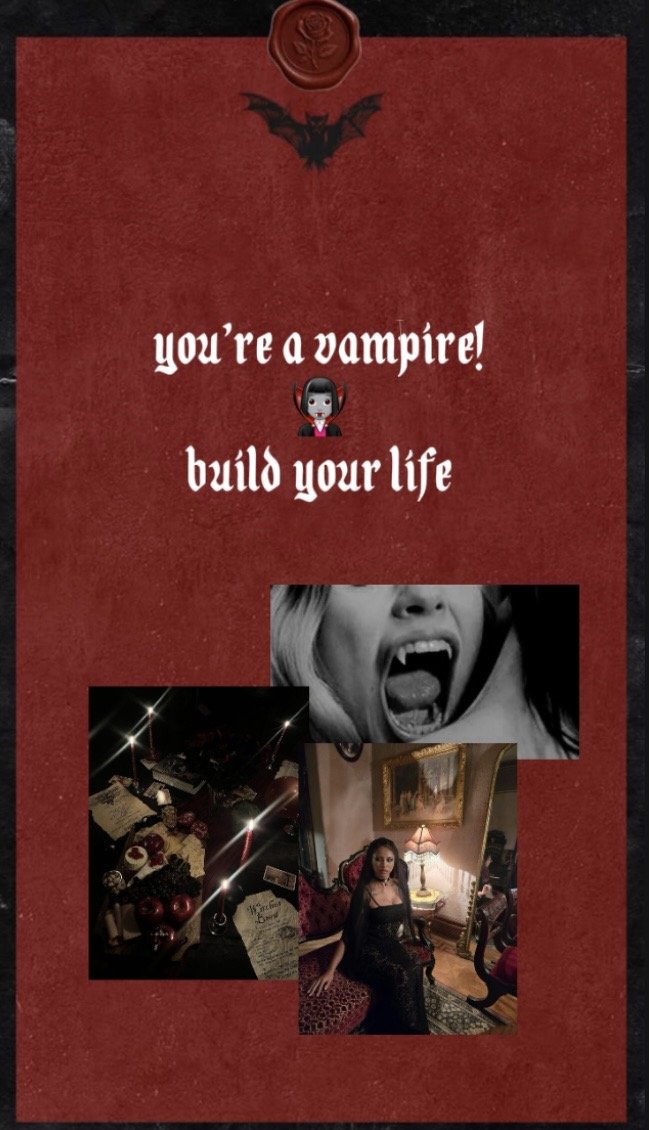
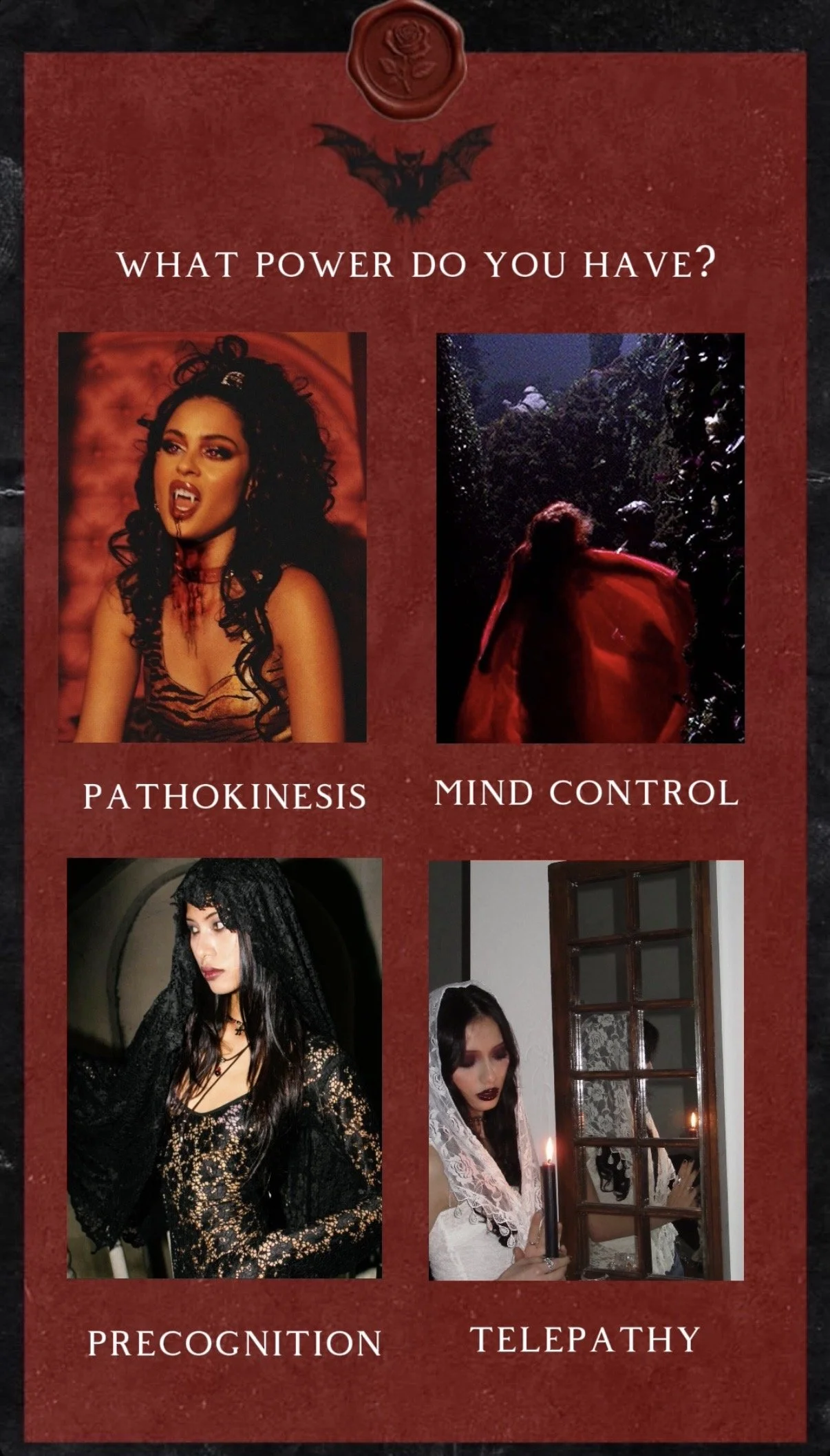
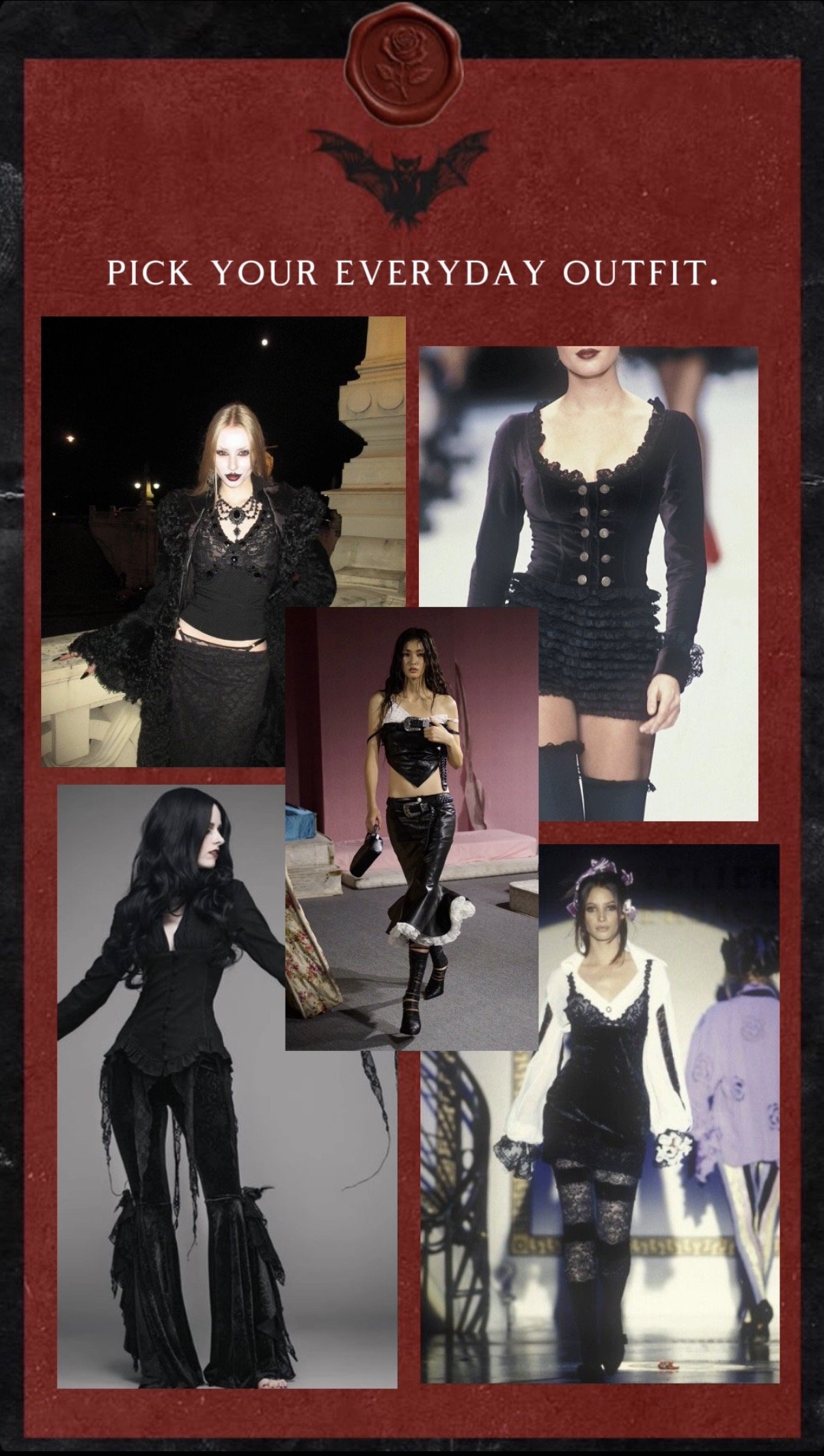
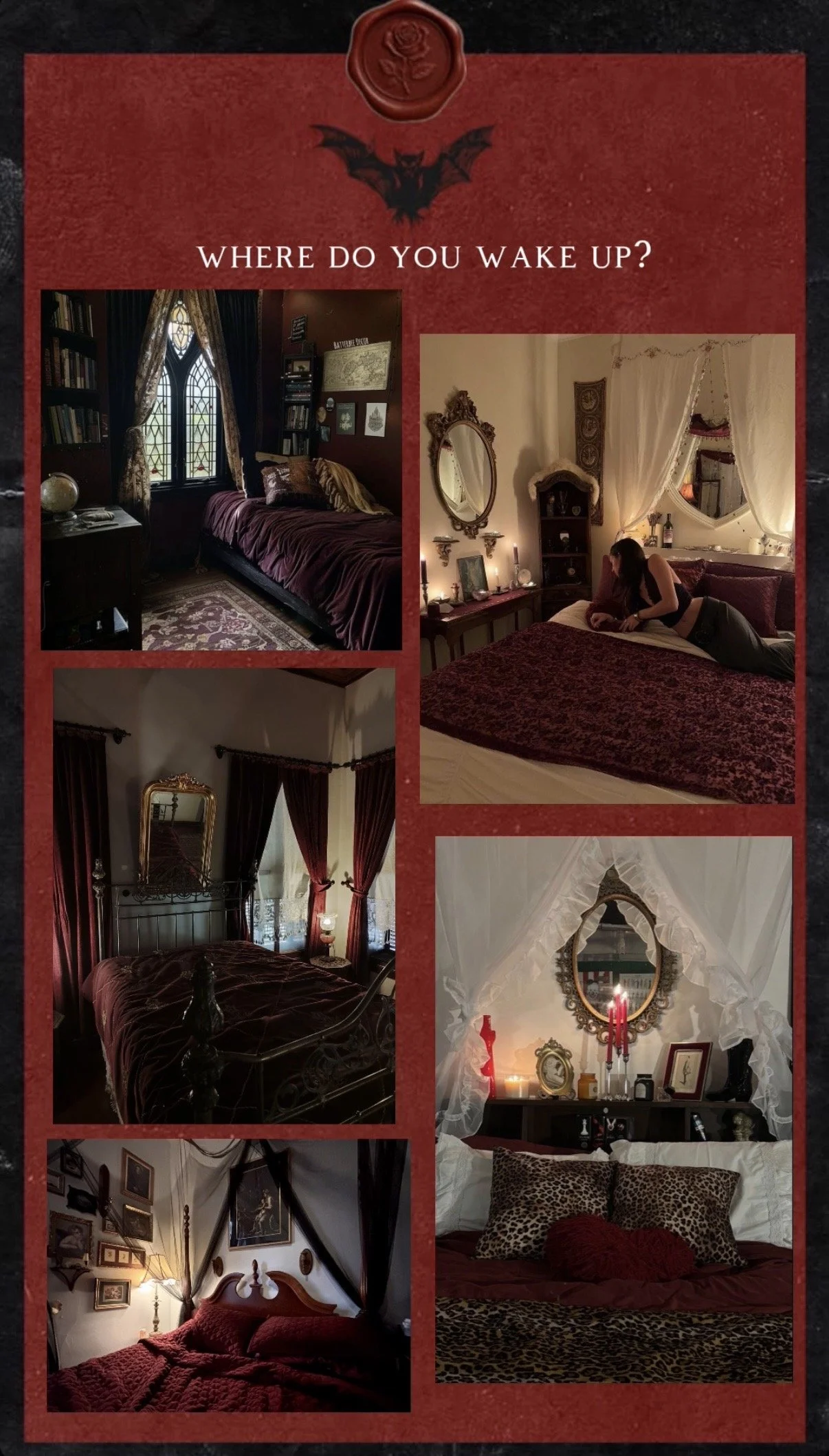
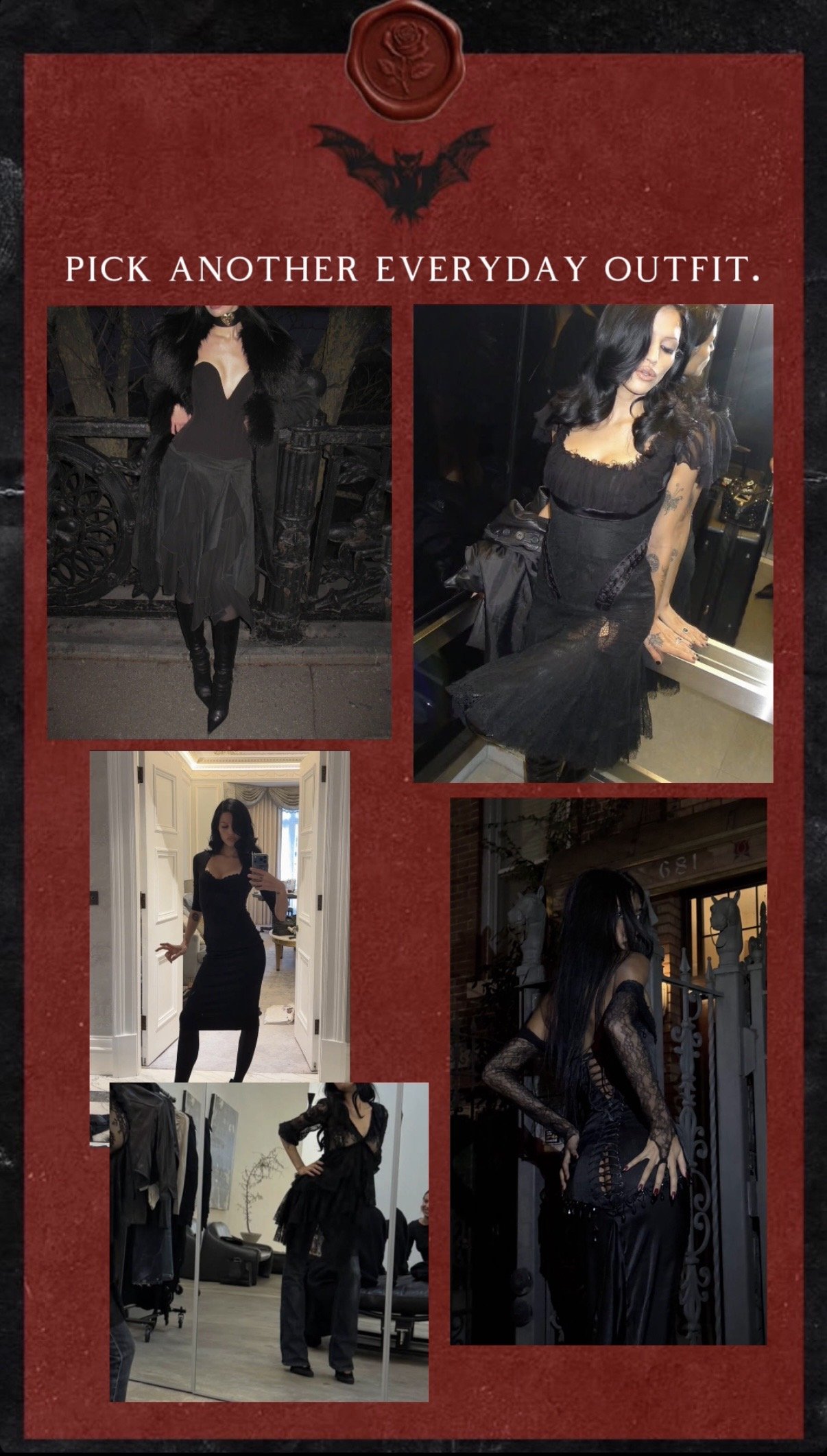
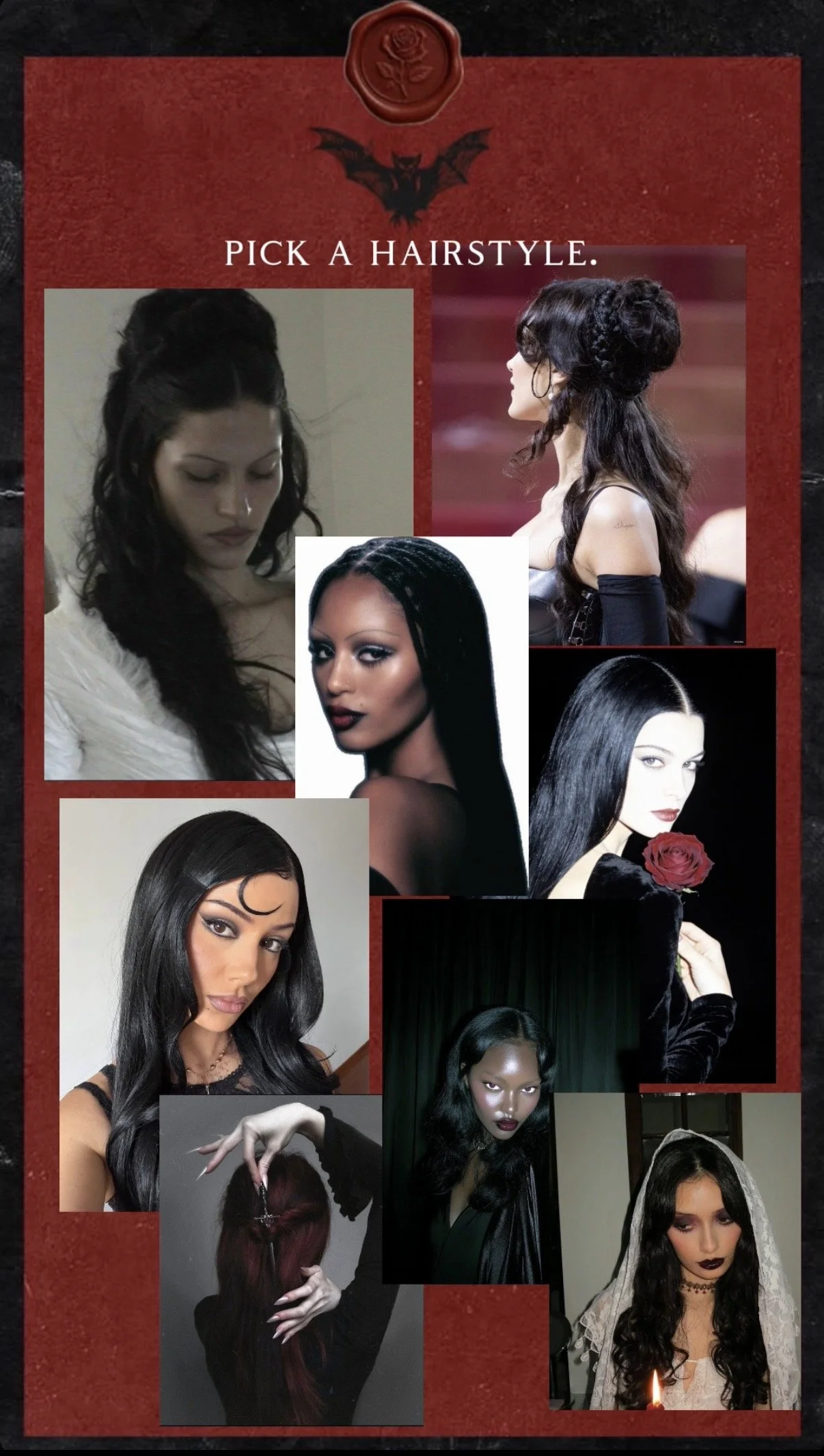
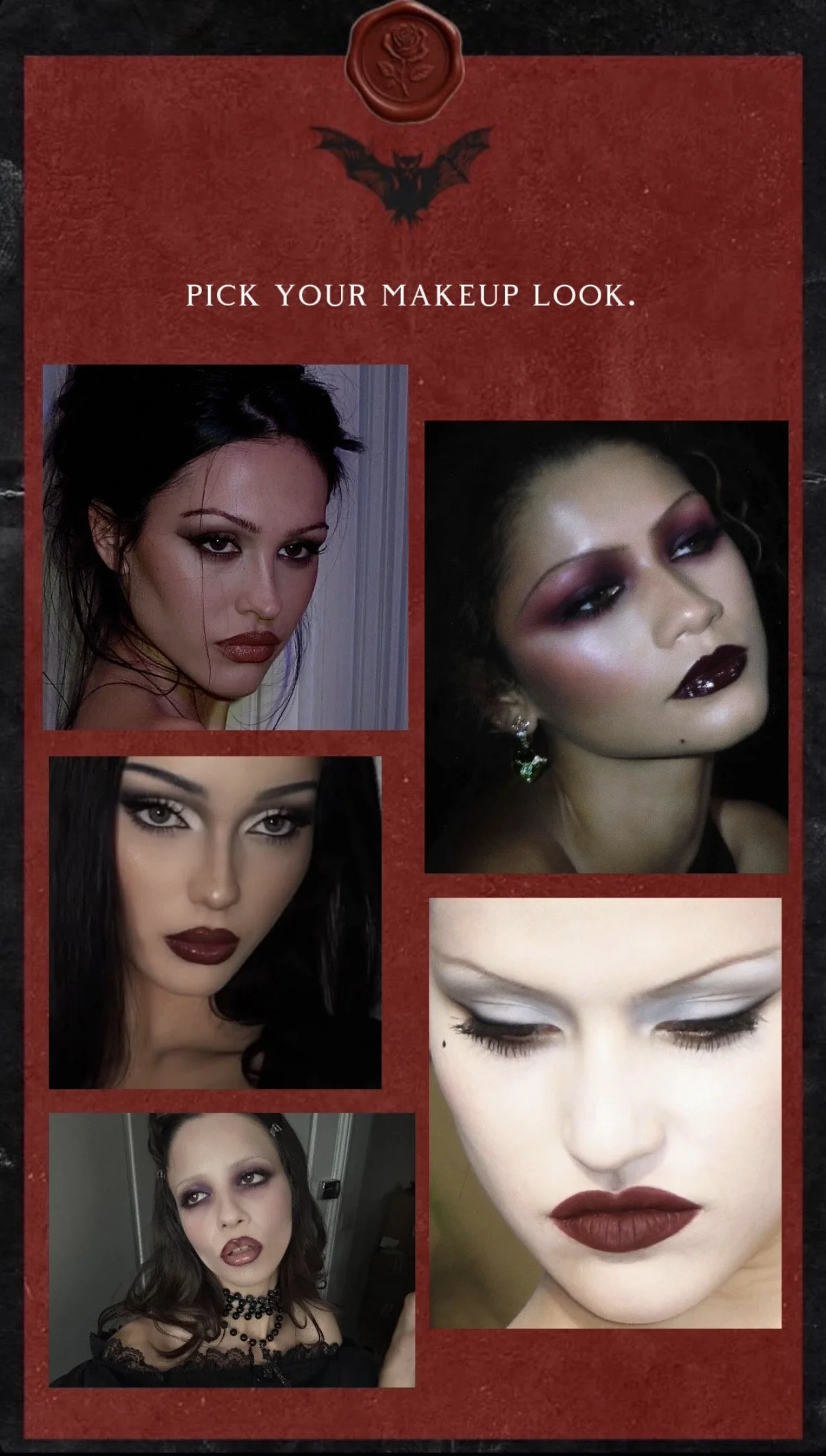
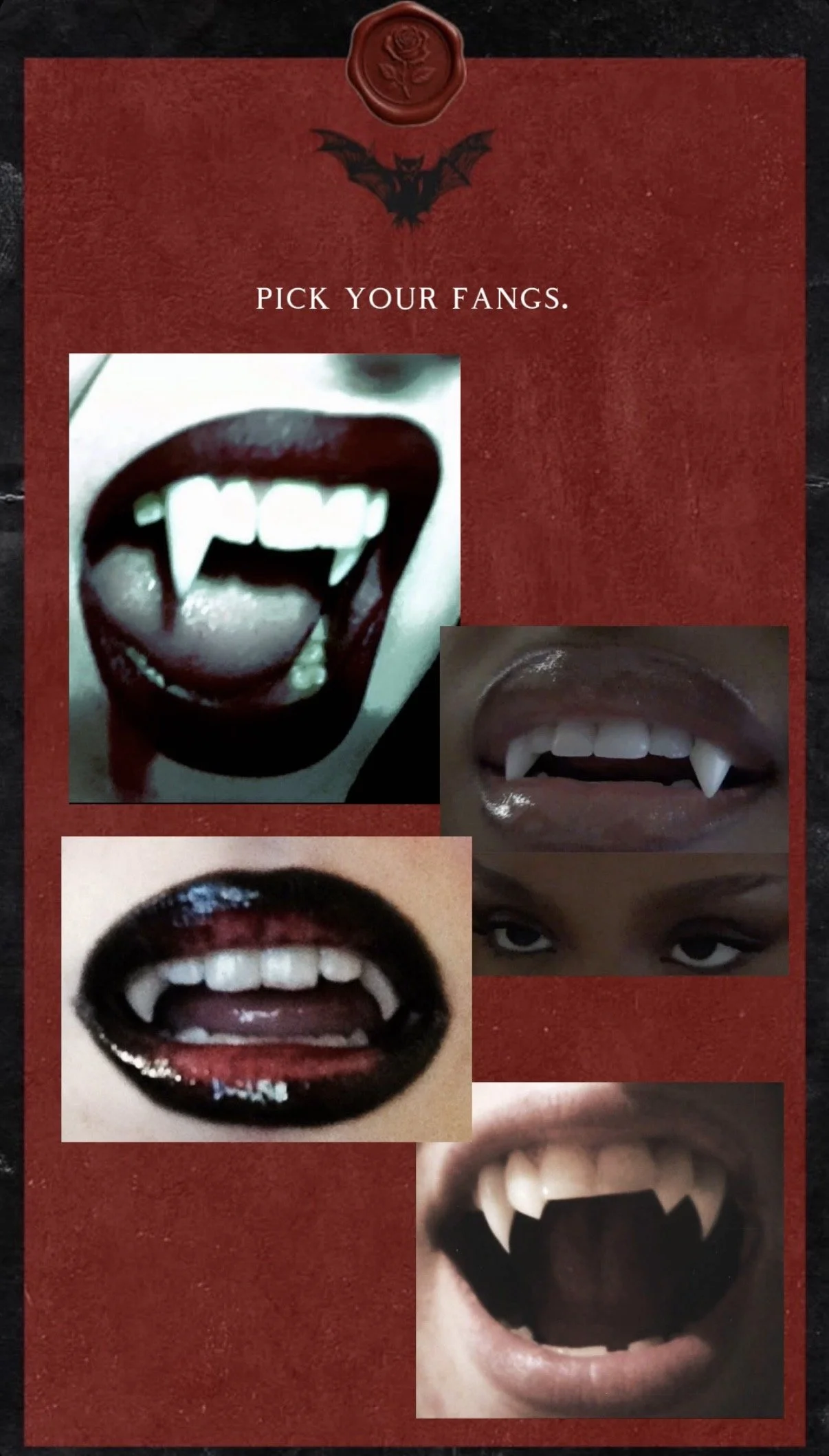
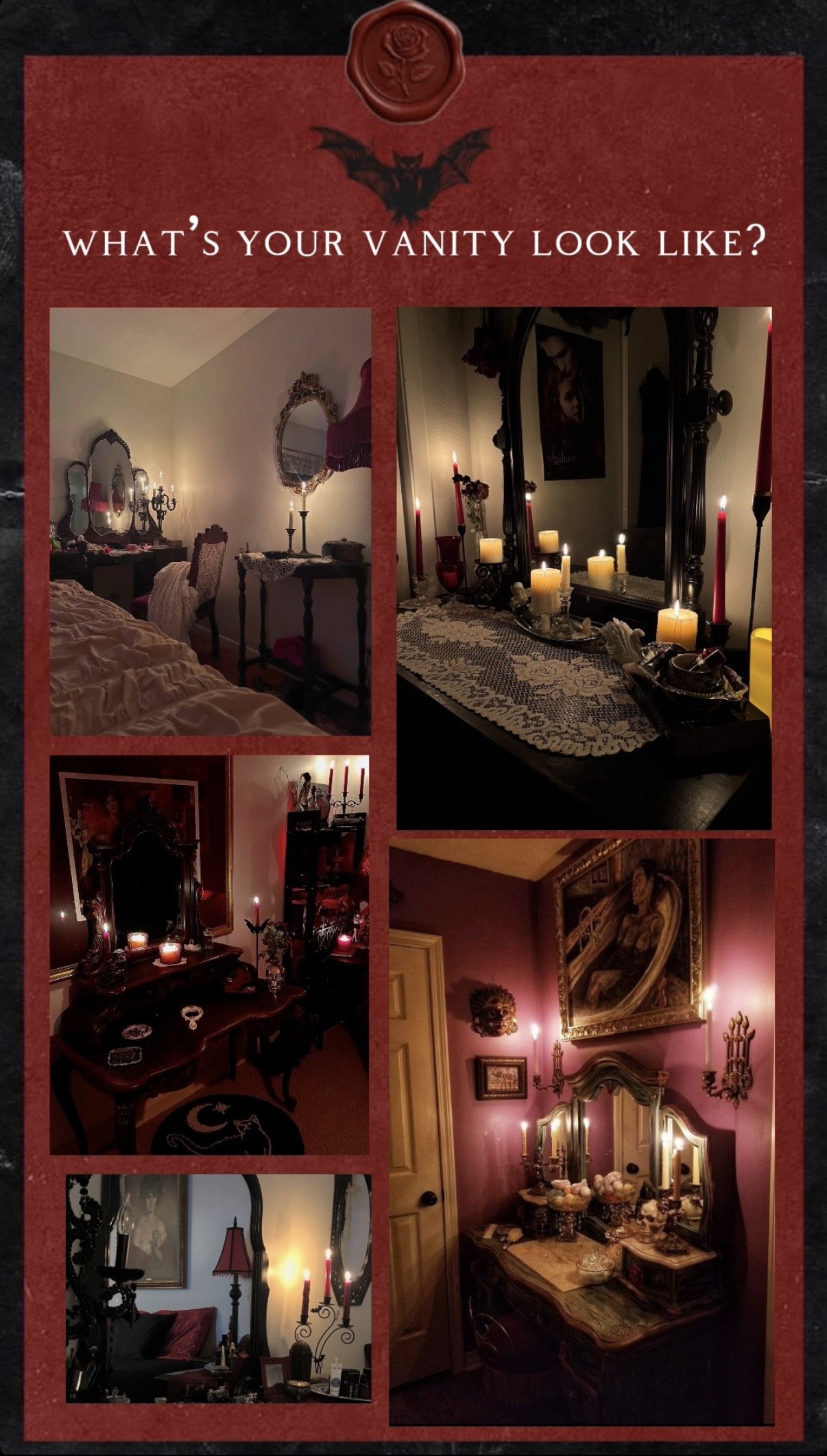
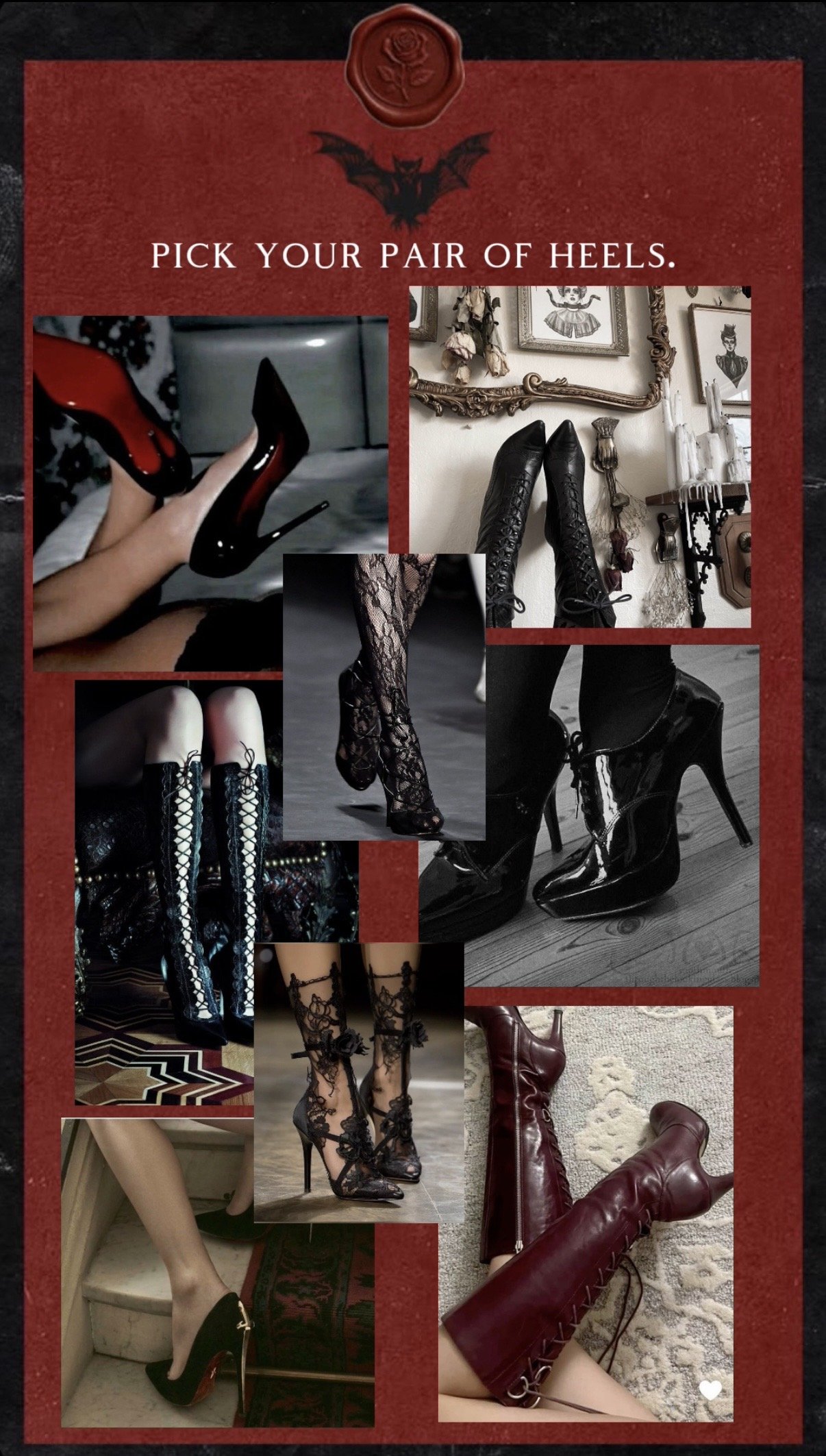
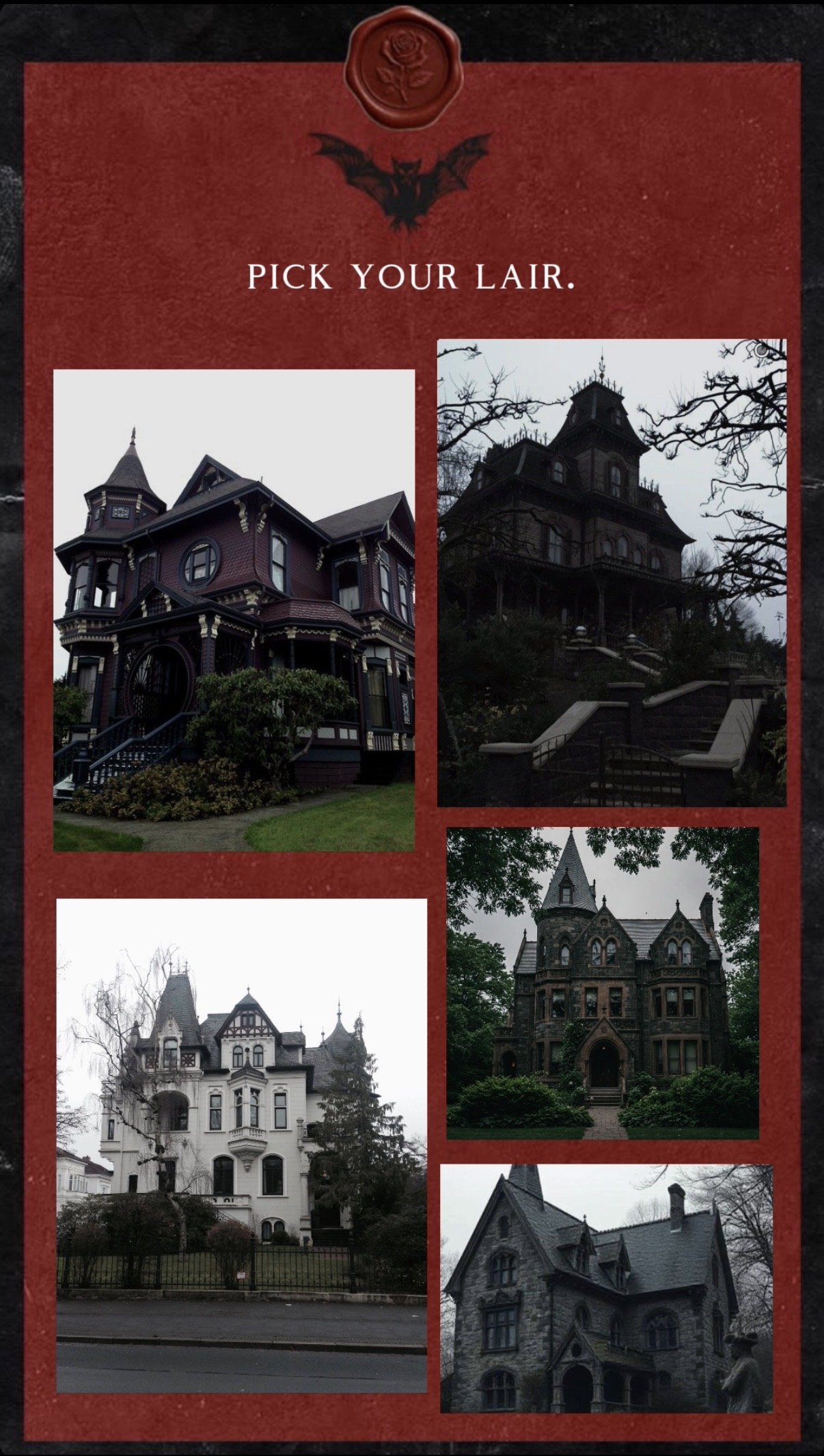
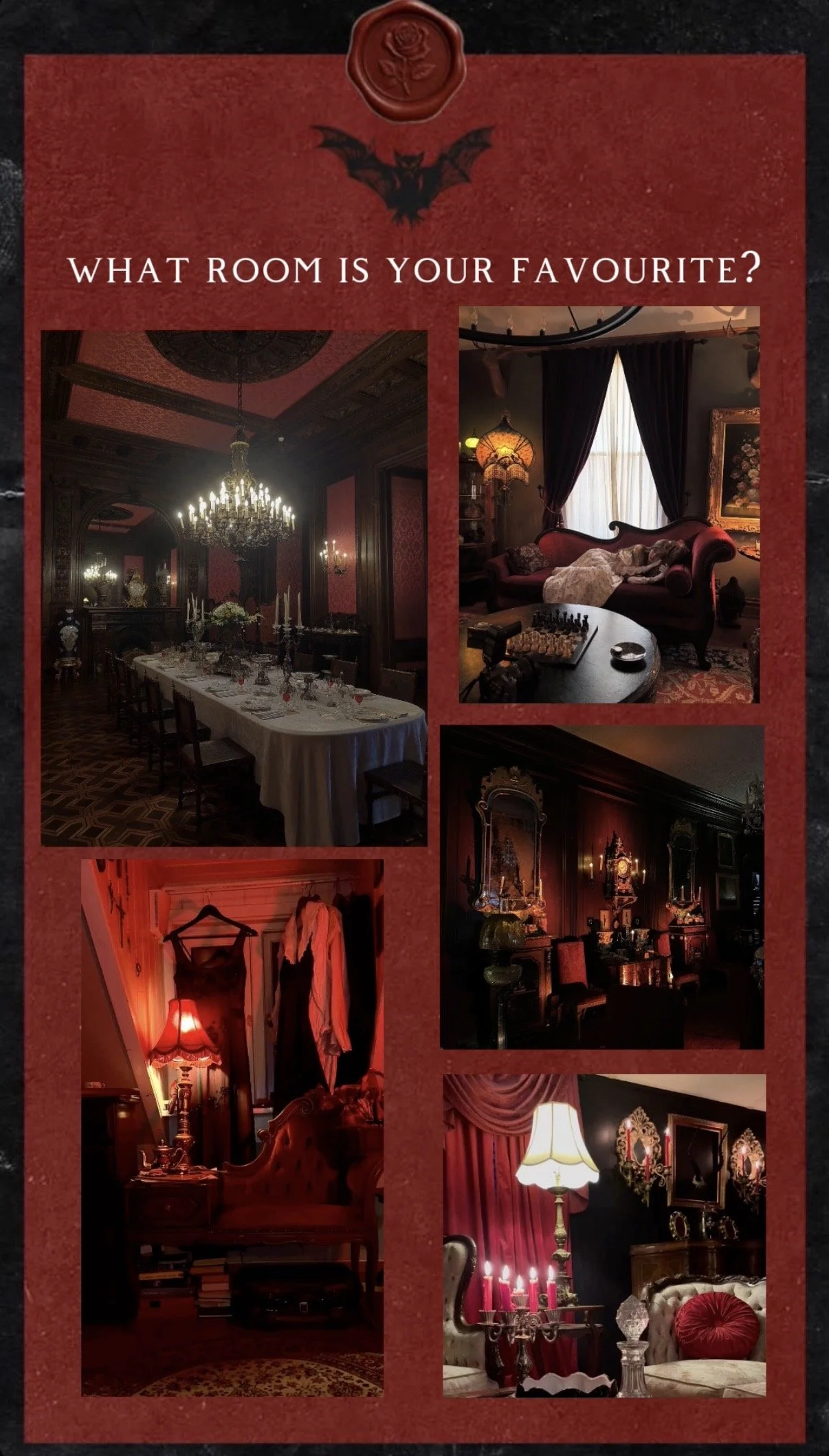
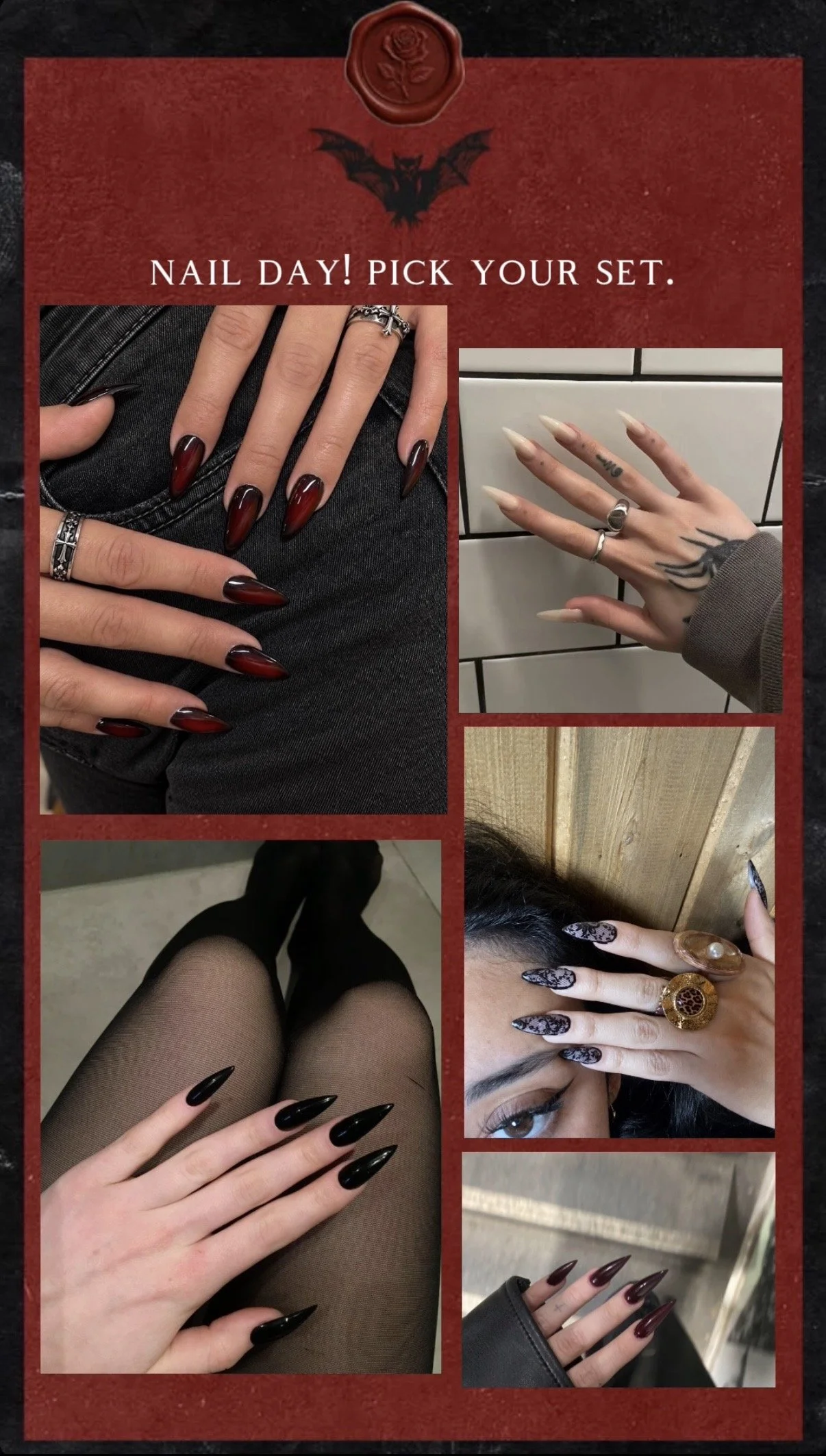
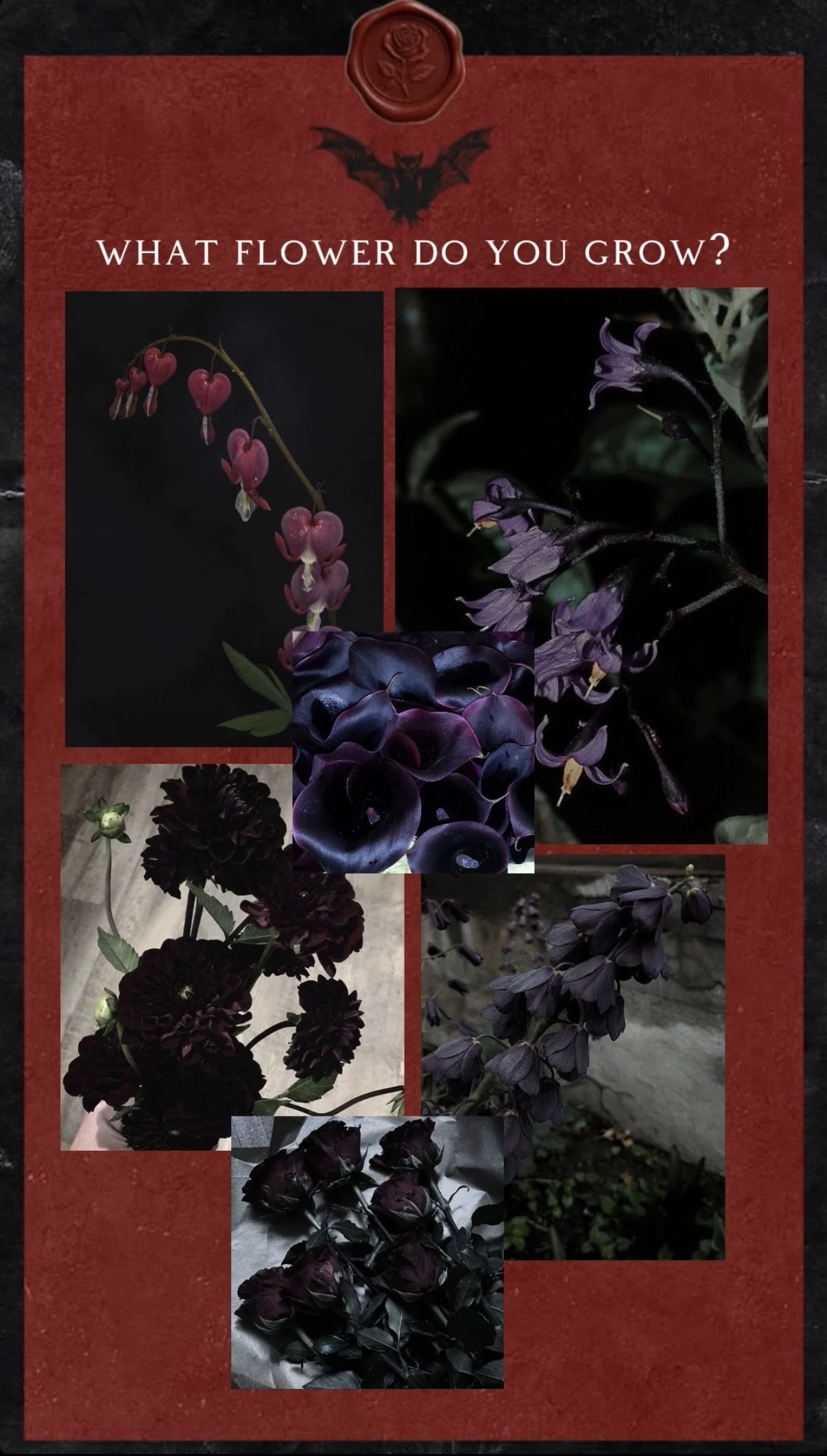
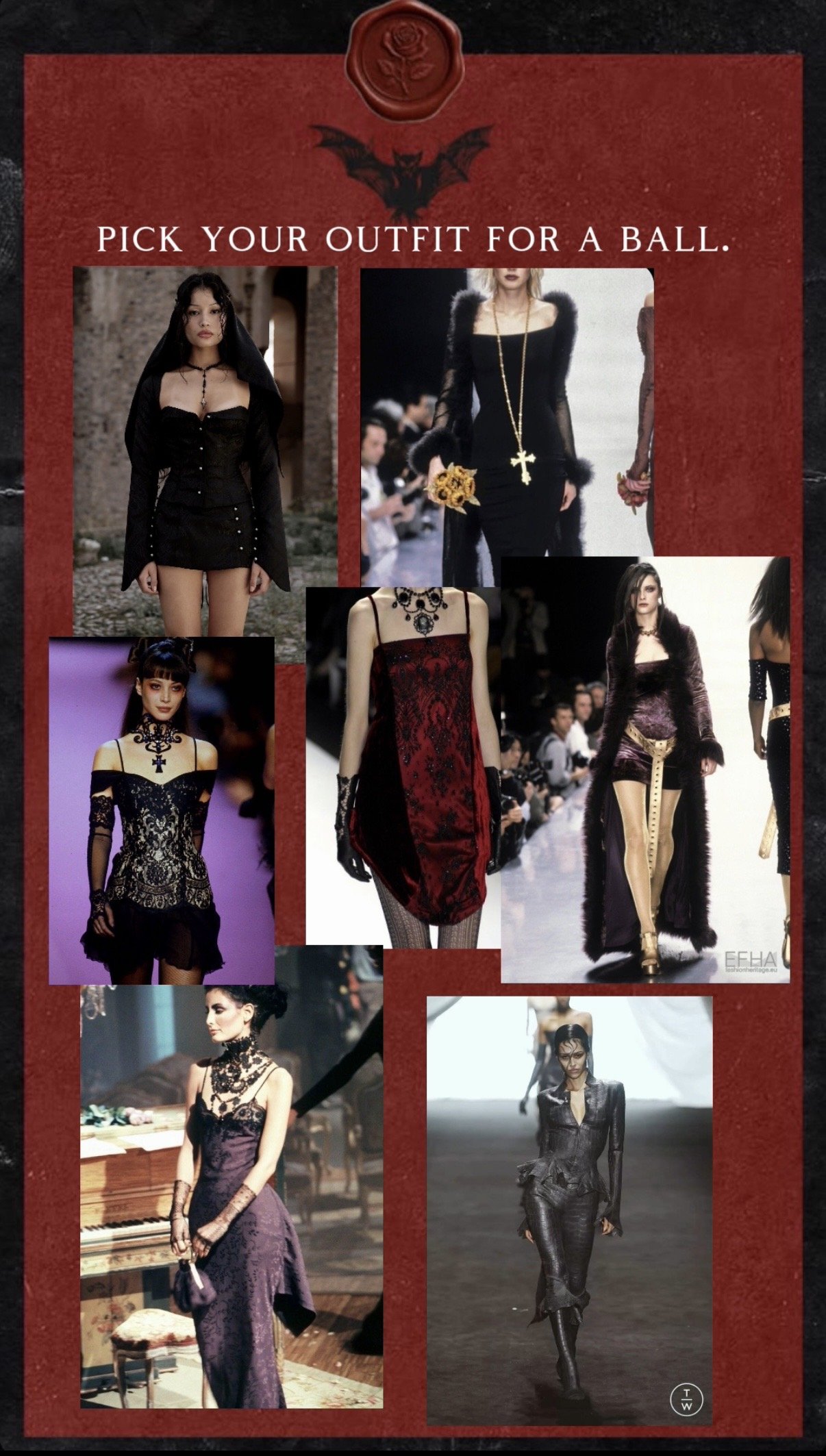
Now that you have created your stylish vampire persona, let’s get into the history and rundown of your kinds nature. Vampires are mythical, undead and immortal beings who feast on the blood or vital life energy of humans. In folklore and global legends, they rise from their graves or tombs at night to feast upon the blood of their victims. Often described as having fangs, pale skin, a fear of sunlight, and possibly the ability to transform into a bat, although that aspect is mainly used in popculture. The tale of the vampire emerged from many Eastern European countries, the most popular being Romania with the infamous Transylvania, but were also a popular subject in Serbia, Croatia, Hungary, and Poland. As well as Ancient Egypt, but, they were described to be blood-drinking spirits before the term ‘vampire’ emerged.
Many people have stated that there are real life energy vampires, people who feed on the energy of others, which is definitely true having experienced one too many of those myself. But ‘vampires’ in our day are more described as blood suckers rather than life suckers. However, an actual need to drink blood? Not sure how real that could be, but people are freaky asf, NOTHING surprises me these days. But, if you meet someone in real life who claims to be a vampire, proceed with caution. Unfortunately, it is not a Stefan Salvatore or Edward Cullen type of situation, where they sparkle in the sun or will fall in love with you and protect you at all costs, it’s best to steer clear of them.
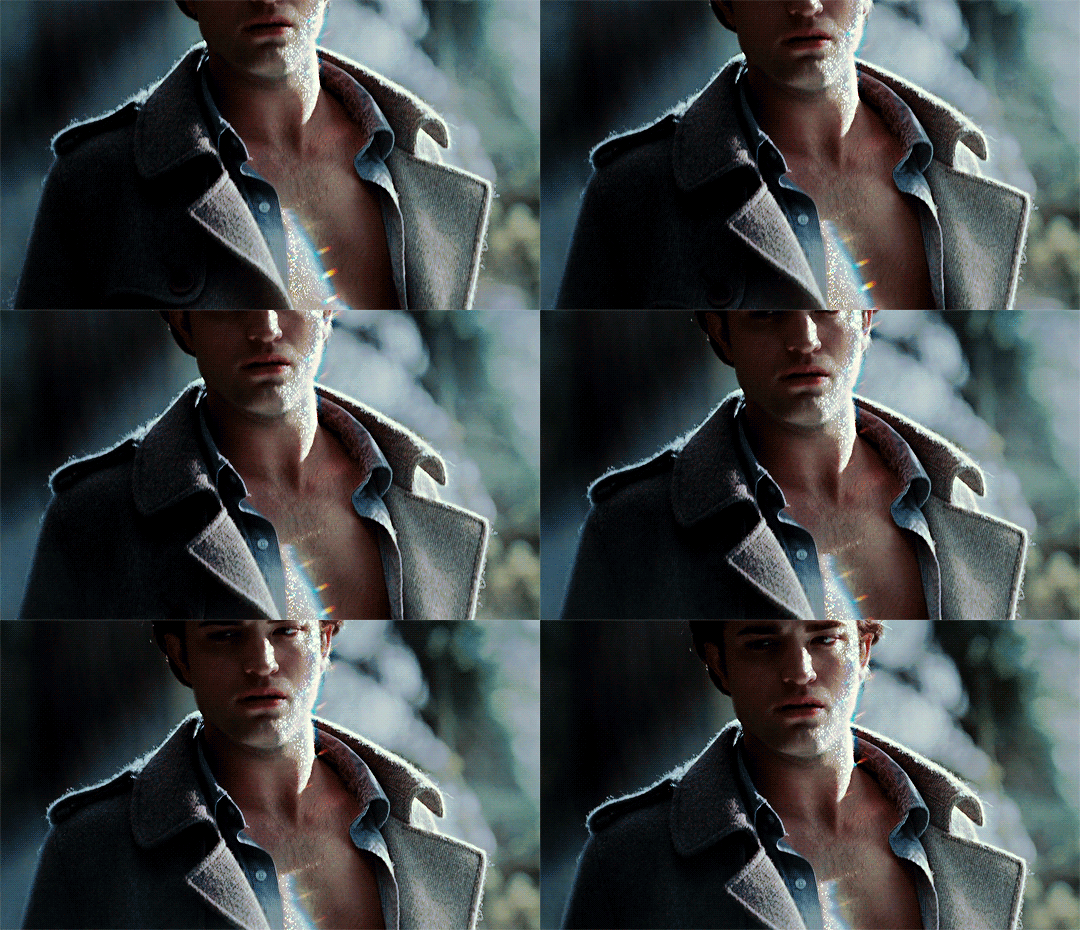
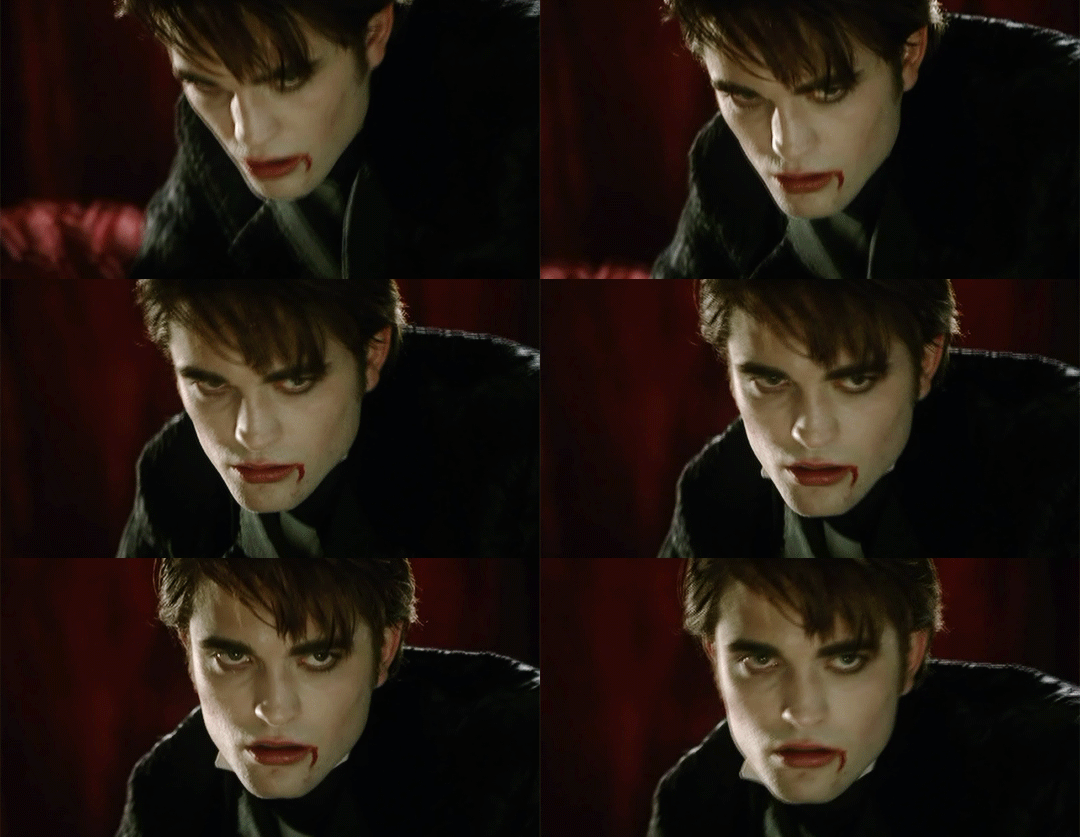
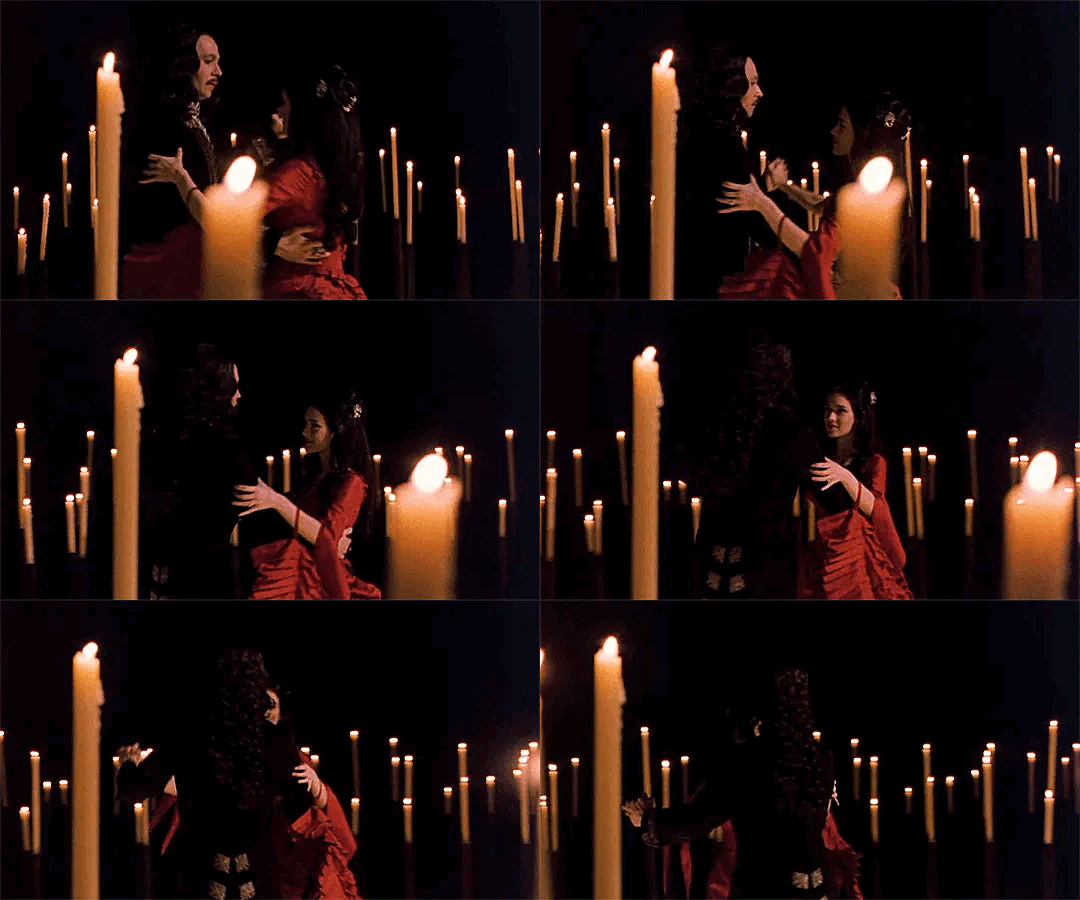
I just know Robert hated filming this scene, I JUST KNOW.
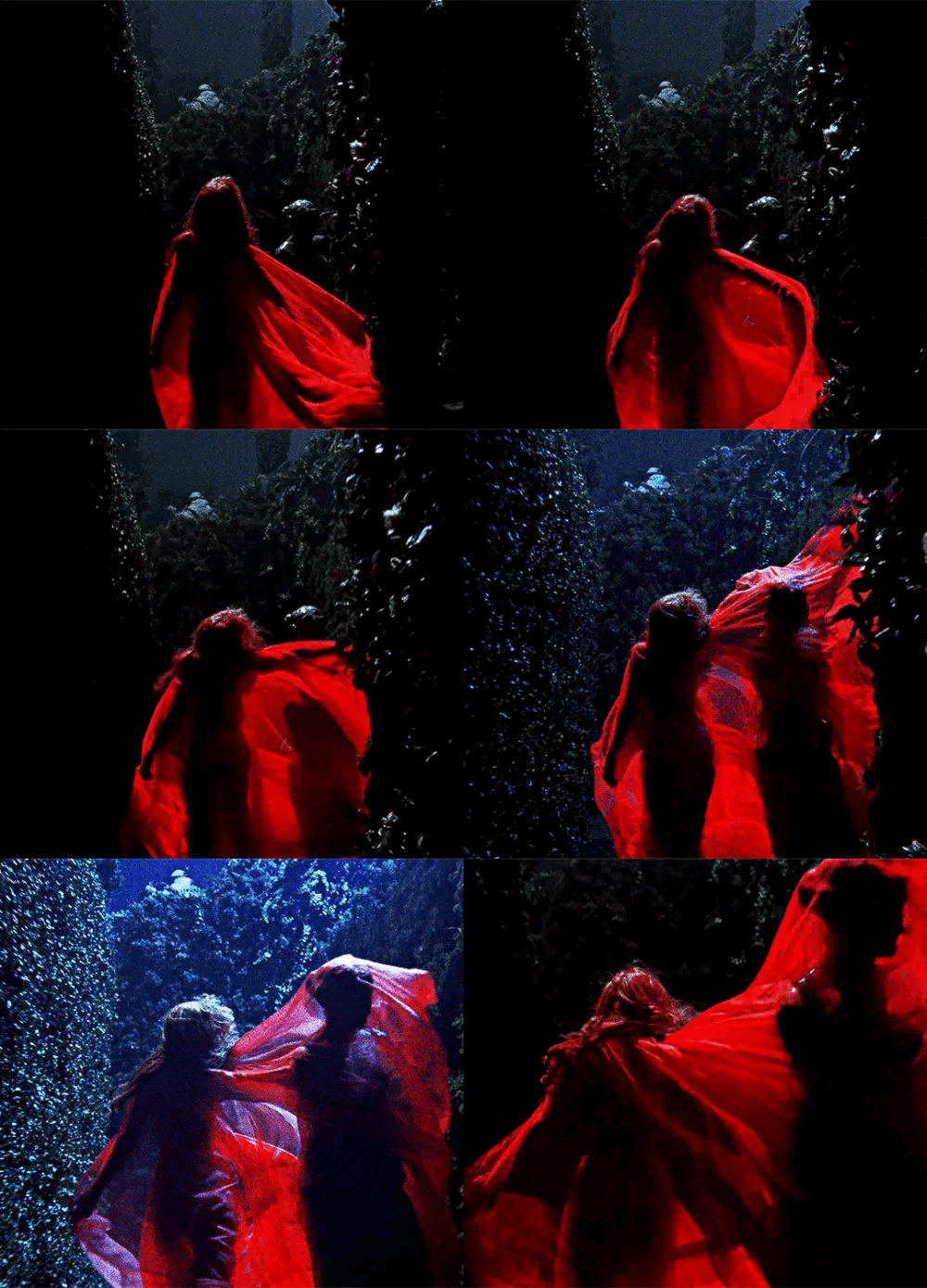
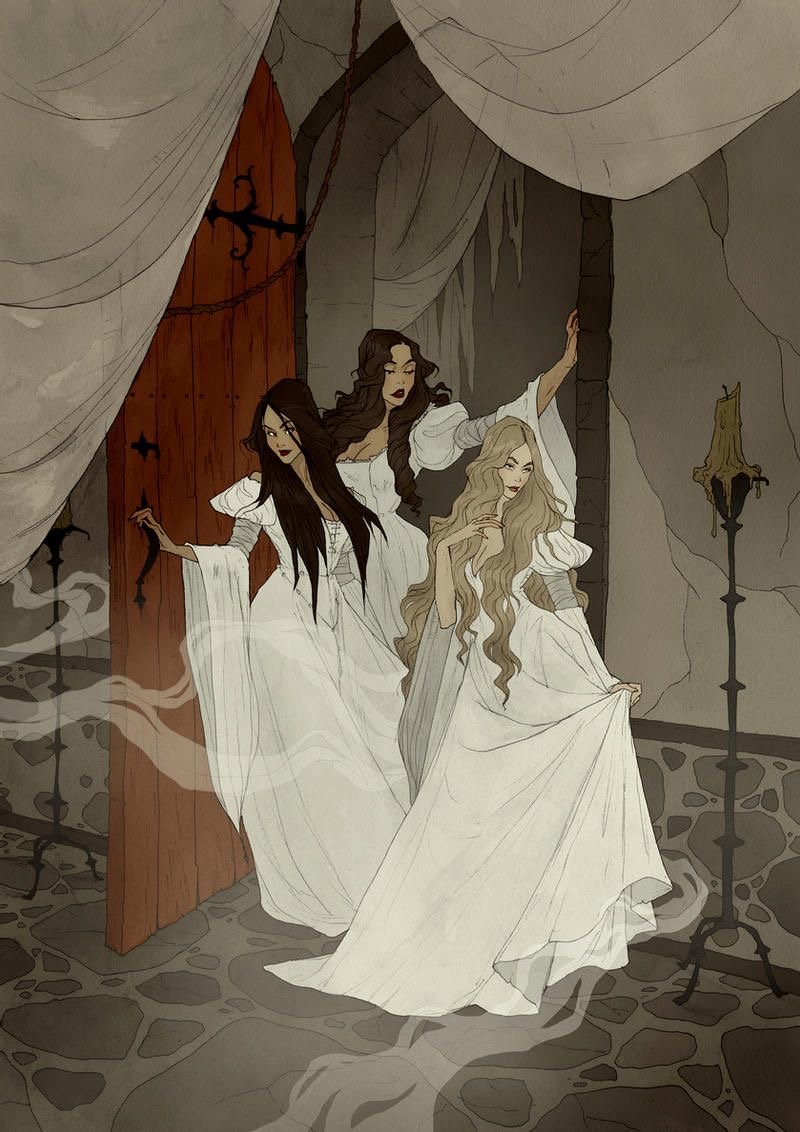
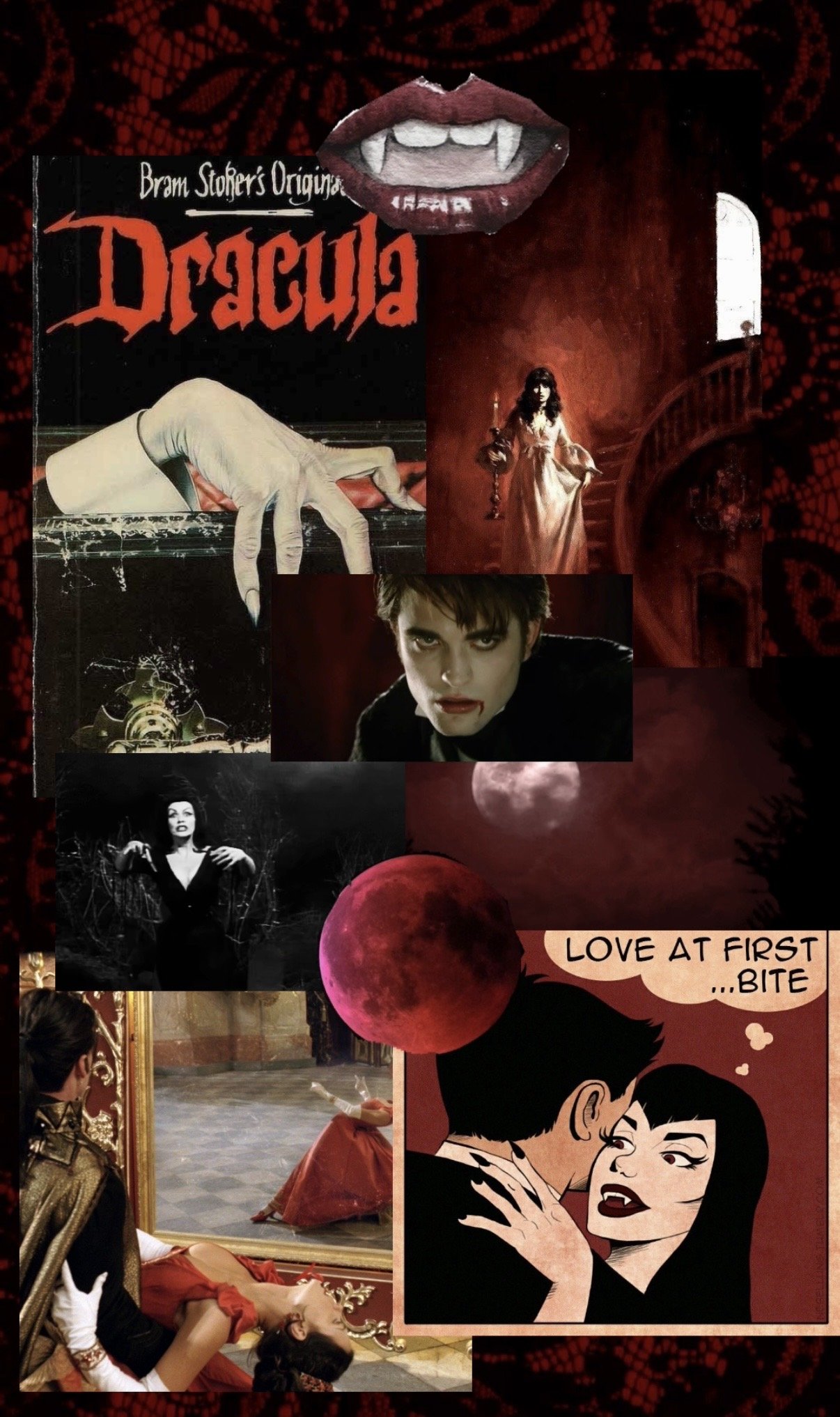
Vampires were a very popular concept in medieval Europe before becoming a very popular plot line for many iconic literature stories. It first emerged in literature from one of my favourites, the iconic literary tale of Carmilla, a vampiress. Although most believed it to be from Bram Stoker’s Dracula, Carmilla predated it by 25 years. I vote Emerald Fennell or Robert Eggers to look into making this a live adaptation, I know both would hit the nail on the head. And if they need someone to play Laura, I volunteer! I already look the part.
In pop culture, vampires have been depicted as all sorts of things, from terrifying creatures lurking in the shadows to romantic, sparkly immortals we can't help but fall in love with, alongside the FMC. Across movies, books, television series, and folklore, no two vampires seem to be quite the same, which honestly, isn't that part of the fun? Vampires have obviously fascinated so many audiences for centuries, long before Hollywood got its hands on them, and their characteristics have changed with every new story. Some are cursed, some are misunderstood, and others are just trying to survive high school without anyone discovering their dirty little secret. So, let's look at some of pop culture's most iconic vampire interpretations!
Let's start with my favourite Twilight, where the Cullen family practically redefined the vampire aesthetic for an entire generation with their iconiciness (not a word, ik). Forget burning to a crisp in sunlight like the tales say, these vampires sparkle like diamonds! Their glittering skin threatens to expose their identities, so they must be careful about where they go, which is why Forks became the perfect home base for them. They don't eat human food, they don't sleep, and they're essentially immortal, unless they provoke the Volturi. Then we have The Vampire Diaries, where being a vampire comes with a much more dangerous set of complications. Immortality, bloodlust, heightened emotions, and supernatural abilities are all part of the package. Unlike the Cullens, vampires in Mystic Falls need daylight rings to walk in the sun without burning.
Now, let's take a quick detour into Monster High, another goodie, where even vampires get a fashionable teenage makeover. Draculaura, the daughter of Count Dracula himself, cannot see her reflection, avoids sunlight, and sleeps in a coffin, keeping some traditional vampire characteristics alive here. However, there's one major difference: she doesn't drink blood. Instead, she's a vegetarian who loves fruits and vegetables. Of course, we can't forget about the traditional vampire folklore, which gave us many of the characteristics we recognize and still use today. These creatures are often associated with coffins, darkness, and a fear of sunlight. Garlic is commonly used to ward them off, while mirrors are sometimes believed to reveal their supernatural nature. Depending on the legend, vampires might transform into bats, rise from their graves, or return from the dead to feed on the living. Unlike many modern interpretations, these traditional vampires were often portrayed as frightening, unnatural beings rather than romantic heartthrobs. How boring.
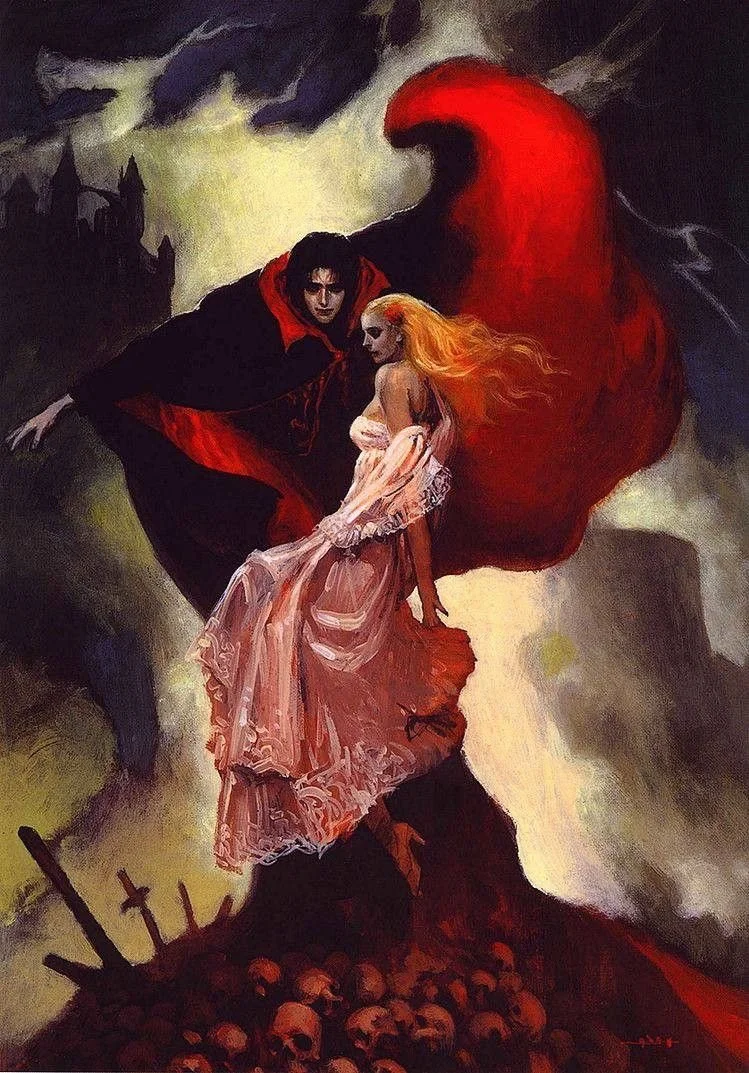
And finally, we have the one, the only, the iconic Count Dracula! Inspired by vampire folklore and inspiring Count Chocula cereal, he became immortalized in Bram Stoker's 1897 novel Dracula, helping shape the vampire we recognize today. While also giving us many amazing adaptations to watch and inspiring spins on this story, like Nosferatu. Unlike the glittering Cullens or fashionable Draculaura, Dracula is a more sinister figure who is associated with seduction, danger, and bloodlust. He's an immortal being who must feed on blood, and in Stoker's original novel, daylight limits some of his powers without outright destroying him.
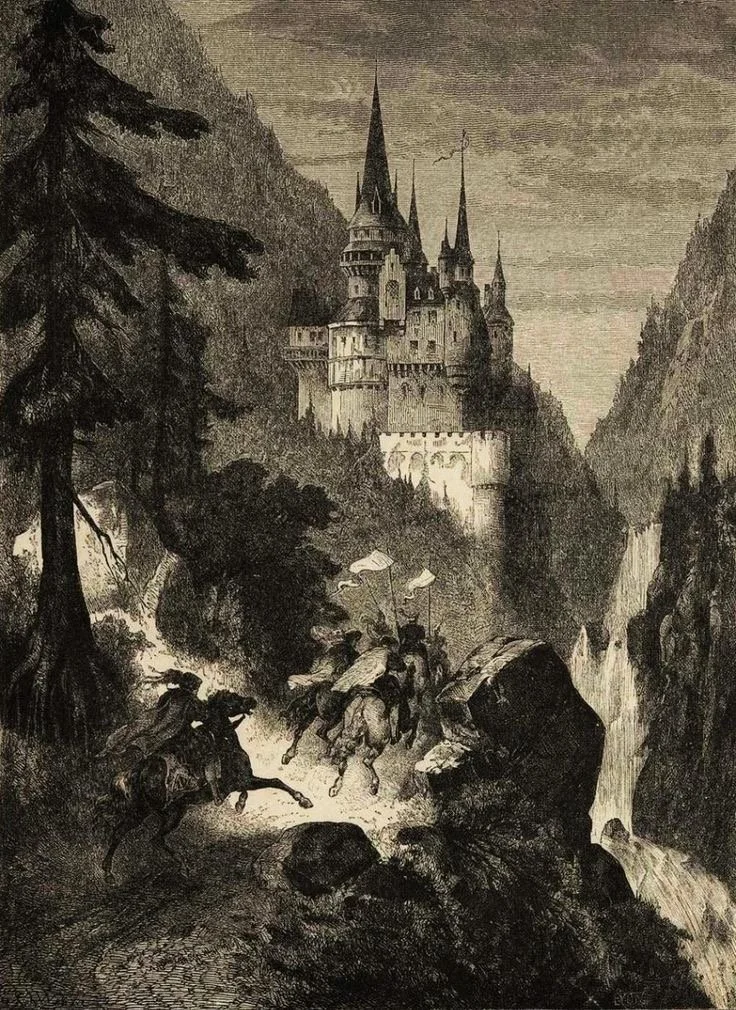
Now, looking at these all side by side, we have a buffet of different modern day concepts of the vampire. It’s almost funny to think that they belong to the same supernatural family. One sparkles in the sunlight, another needs a magical ring to survive it, one is a vegetarian fashionista, and another is a centuries-old count lurking in a dark and secluded castle. But they all draw from the same myths, fears, and fantasies that have kept vampires alive in our imaginations for generations.
Where did this idea even emerge from? Seriously, who looked at a perfectly ordinary human being and thought, What if they were dead, came back to life, drank blood, and slept in a coffin? Such a strange concept to have emerged in the first place!
The idea of vampires didn't actually originate with one person or through one particular story. Across different cultures, people developed legends about the dead returning to life, supernatural beings draining the living, and mysterious illnesses that seemed to spread through communities, which were really just plagues. Before modern medicine could explain things like decomposition, contagious diseases, or certain symptoms following death, these things could appear frightening and inexplicable. Folklore helped people in past generations to make sense of the unknown, and the idea of a creature that survived by feeding on the living gradually became part of these traditions. Apparently, everyone went crazy at some point.
This concept kept past civilizations, mainly Medieval Europe and especially those in the Balkan regions, in a panic of becoming the next victims of the terror that is the vampire. Beliefs that the neighbours or members of communities who had passed away were rising from their grave in the night to hunt upon the living sparking reports that they were haunting the communities, fueling panic and fear. They were very serious about keeping these supposed ‘beings’ in the ground, going so far as to use garlic, wooden stakes, and decapitation to stop suspected vampires bodies from rising from the ground. They would place literal bricks and stones in their mouths to hold them down, while also plunging stakes into the heart. These people did not play.
They supposedly used forms of protection to ward off the vampires, such as pungent repellents like garlic and cow-dung (yummy). It was also suggested that vampires had arithomania, a mental urge to count actions, words, or objects, causing people to scatter poppy seeds, rice, pebbles, or other small objects on their porches due to folklore beliefs that they had an obsession to count every singular grain. Religious icons like crosses and crucifixes and even protective lines of salt across doors and windows were other protective measures as well. It has been suggested that many of the features of decomposition in which past generations were not educated on is what brought upon this fear, however, I wonder why they were even digging up these graves in the first place, like hello?
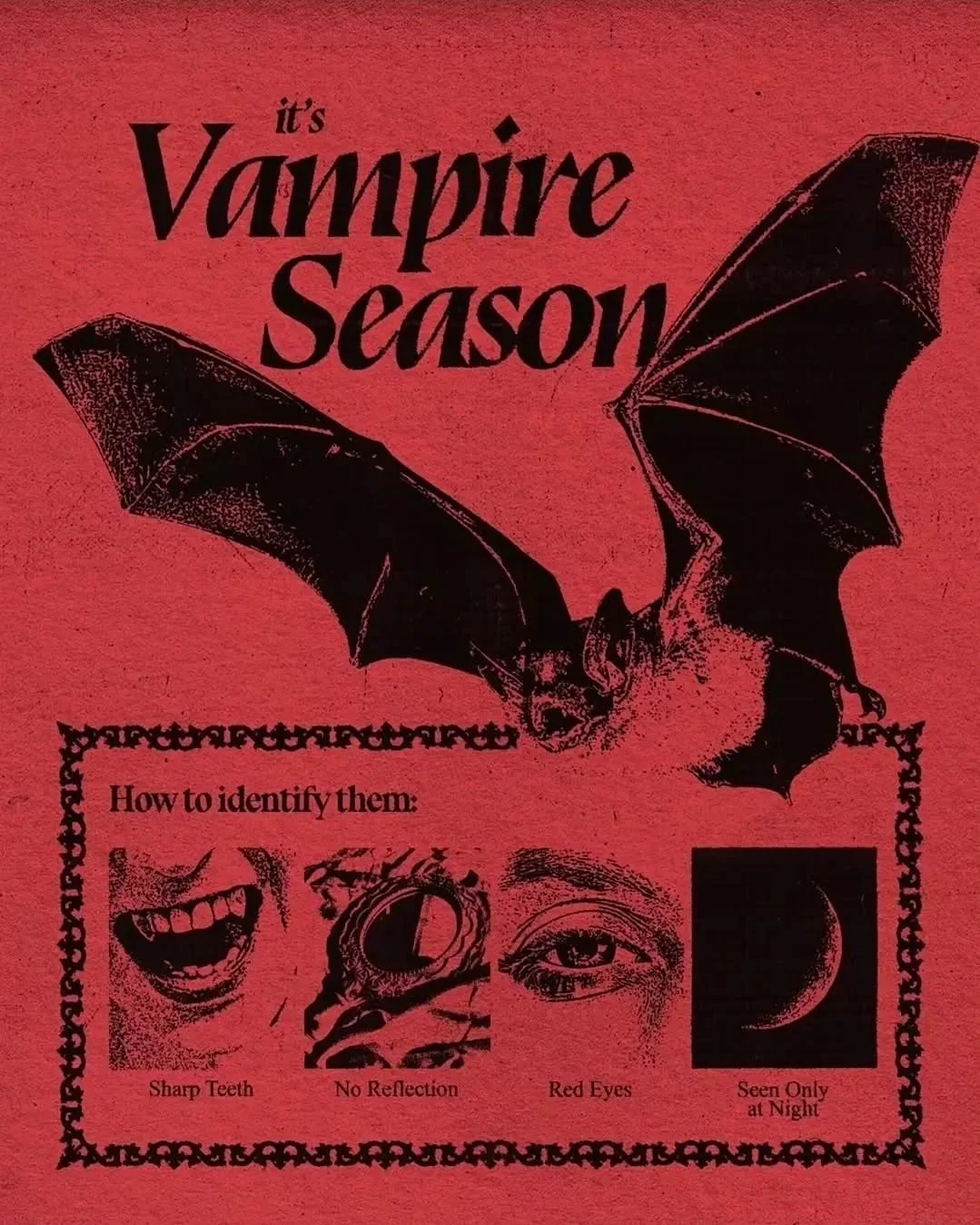
Something super cool that I stumbled upon is the theory that a rare group of disorders known as porphyria may have inspired some vampire legends. Porphyria affects the body's ability to produce heme, a component of hemoglobin, and certain forms can cause extreme sensitivity to sunlight, leading to painful skin damage. This sounds rather familiar, doesn't it? Some forms can also cause reddish-brown discoloration of urine or teeth, which can contribute to the eerie image of a “blood-tinged smile”. Garlic has also been mentioned in vampire theories, although there is no strong evidence that it worsens porphyria symptoms. So, while the comparison is fascinating, scientists haven't established porphyria as the origin of vampire folklore. Still interesting all the less.
But what about the name that immediately comes to mind when we think of vampires? Count Dracula. Although Bram Stoker's famous novel helped establish the modern vampire in popular culture, the character is often associated with a real historical figure: Vlad III, better known as Vlad the Impaler. Vlad III was a fifteenth-century ruler of Wallachia, a region in Romania, who became known for his brutal methods of punishment, particularly impalement. His reputation became one of such fear that stories about his cruelty spread throughout Europe. The name Dracula was connected to his father, Vlad II Dracul, and Vlad III was known as Vlad Dracula. However, the historical ruler and Stoker's fictional vampire were not the same person, and the exact extent of Vlad's influence on Stoker's creation remains debated. The connection is fascinating, though, considering how the real Vlad became associated with one of fiction's most well-known monsters.
Now, the New Orleans vampire lore is a crazy rabbit hole that you will spend hours in if you search it up on Tik Tok. NOLA really is the place for all things mystical. They got voodoo, witchcraft, AND there are the vampires! Stories about 'mysterious pale figures’, strange encounters, and creatures supposedly walking amongst the people of NOLA have become part of the popular New Orleans' paranormal reputation. Some locals and visitors share stories of their encounters with vampires in places like bars, historic buildings, and even on the streets, although these accounts are usually just folklore and personal testimony rather than actual evidence of the vampire. Maybe to spook us tourists out of their city?
One particularly interesting legend involves the Casket Girls, who were young women that travelled from France to Louisiana during the colonial period. Their name actually comes from the small cases, or cassettes, in which they carried all their belongings. Over time, the word became associated with coffins, and the women became the subject of vampire stories. According to the legend, their strange luggage and pale appearances created suspicions that they weren't ordinary women at all. The historical story is fascinating enough on its own, but the vampire twist makes it perfect for a gothic horror novel!
Now, here is where this takes a strange turn lol. I saw a video of a guy discussing the different kinds of vampires in New Orleans. The New Orleans Vampire Association, commonly known as NOVA, has about 350-500 members who come together and share blood with one another! Yeah! You read that right! He discussed the two different kinds of vampires, the emotional vampire and the sanguinarian, but members have different understandings of what vampirism means, ‘ranging from spiritual or energy-based experiences to biological interpretations’, according to the website. However, the sanguinarian, a term for people who consume small amounts of blood supposedly do have the legal right in the state of Louisiana to consume human blood. It must be done in a consensual fashion with blood tests predeccessing time of consumption? But at least they are all doing it amongst themselves, I suppose? Definitely not an ideal group hangout!
I do not have enough time or mental power to summarize this next tale, so I found a website from a New Orleans Ghost Tour website on the tale of the Carter brothers, a popular legend in NOLA, which may have been the inspiration behind the Salvatore brothers (don’t quote me, saw this on TikTok). It’s not too much of a read, so definitely look into it if you are interested in some spooky stories to tell in the dark:
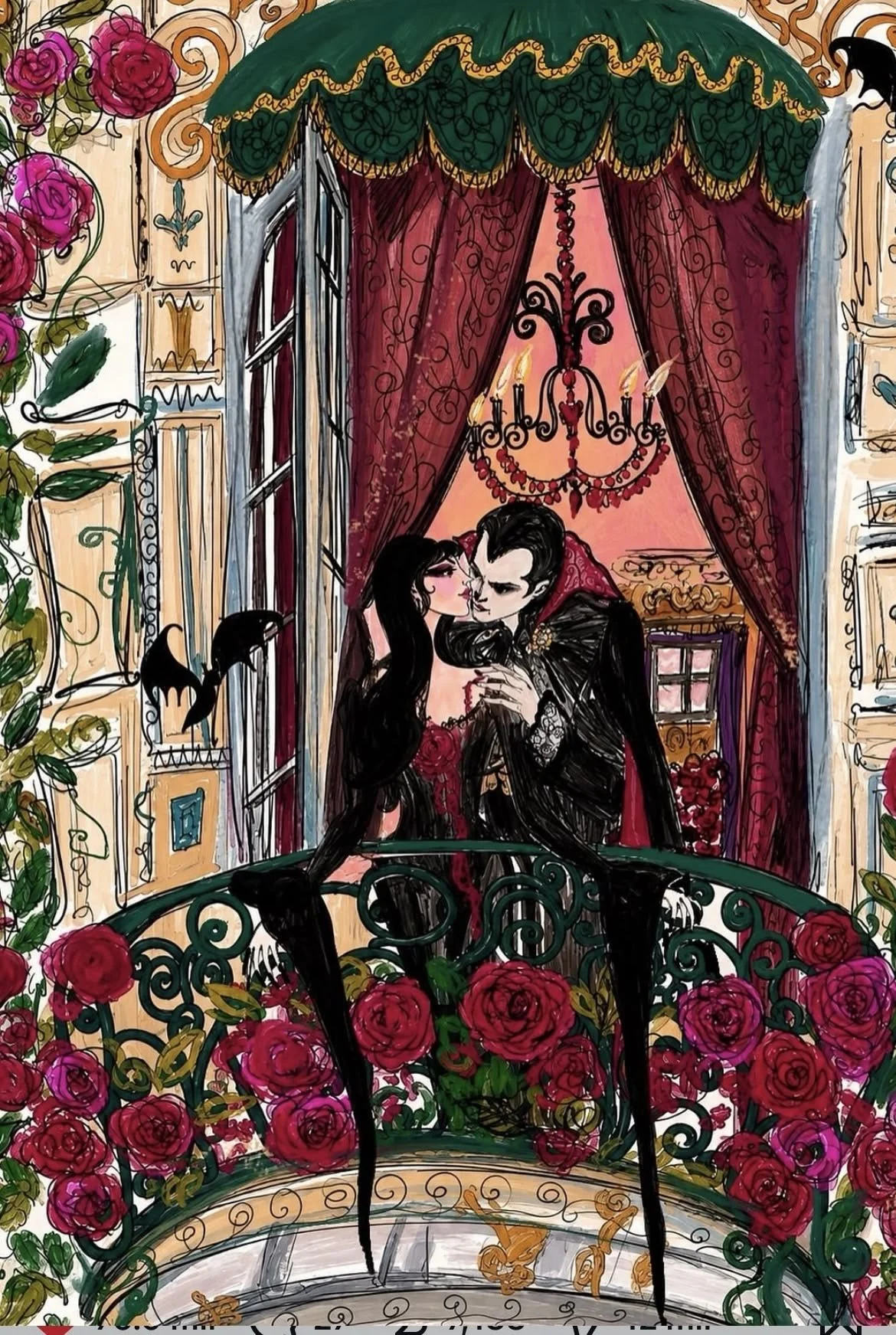
Art by Annie Naranian @annienaran
As I have done with the mermaid real or not (definitely circle back and read if you haven’t), I will provide a scientific explanation as to why it would not be possible for vampires to exist. There are many biological, metabolic, and physical laws that us humans encounter in the body that would make the existence of an immortal, blood-drinking human impossible. Starting with cellular respiration, how humans require oxygen from red blood cells to convert food into energy. Drinking blood simply cannot replace a functioning respiratory and circulatory system, it just cannot make sense. Also with the digestive limits, blood is high in iron which can become toxic to us in large amounts, which can cause a condition called hemochromatosis. This would overload human organs with iron, causing organ failure. Lastly, we humans endure cellular aging which is caused by the shortening of telomeres and accumulated genetic mutations. No bio mechanisms in our body can allow a human to stop entropy and live indefinitely without cellular repair systems failing. Now, notice how I said humans? Who ever said a vampire was a human? So, these scientific explanations do not really make sense when we are talking about something said to be an ‘immortal being,’ but can apply to the humans who do refer to themselves as ‘vampires’.
Nobody who claims to be a vampire actually needs to feed off blood in high doses to survive because as mentioned this can actually cause adverse effects. There is a possibility that this could not be the case for at least one human in all of history, I am sure some people have a very low count of red blood cells needing extra blood to survive, but I don’t know. It may bring some pleasure I suppose if it’s a fetish or mystical obsession, but anyone claiming to need blood beyond those reasons is probably full of shit. Like I said earlier, most who claim to be vampires that actually drink and need blood just have freaky fetishes, sorry not sorry. If you’re a vampire for aesthetic purposes, however, you’re cool. I get you.
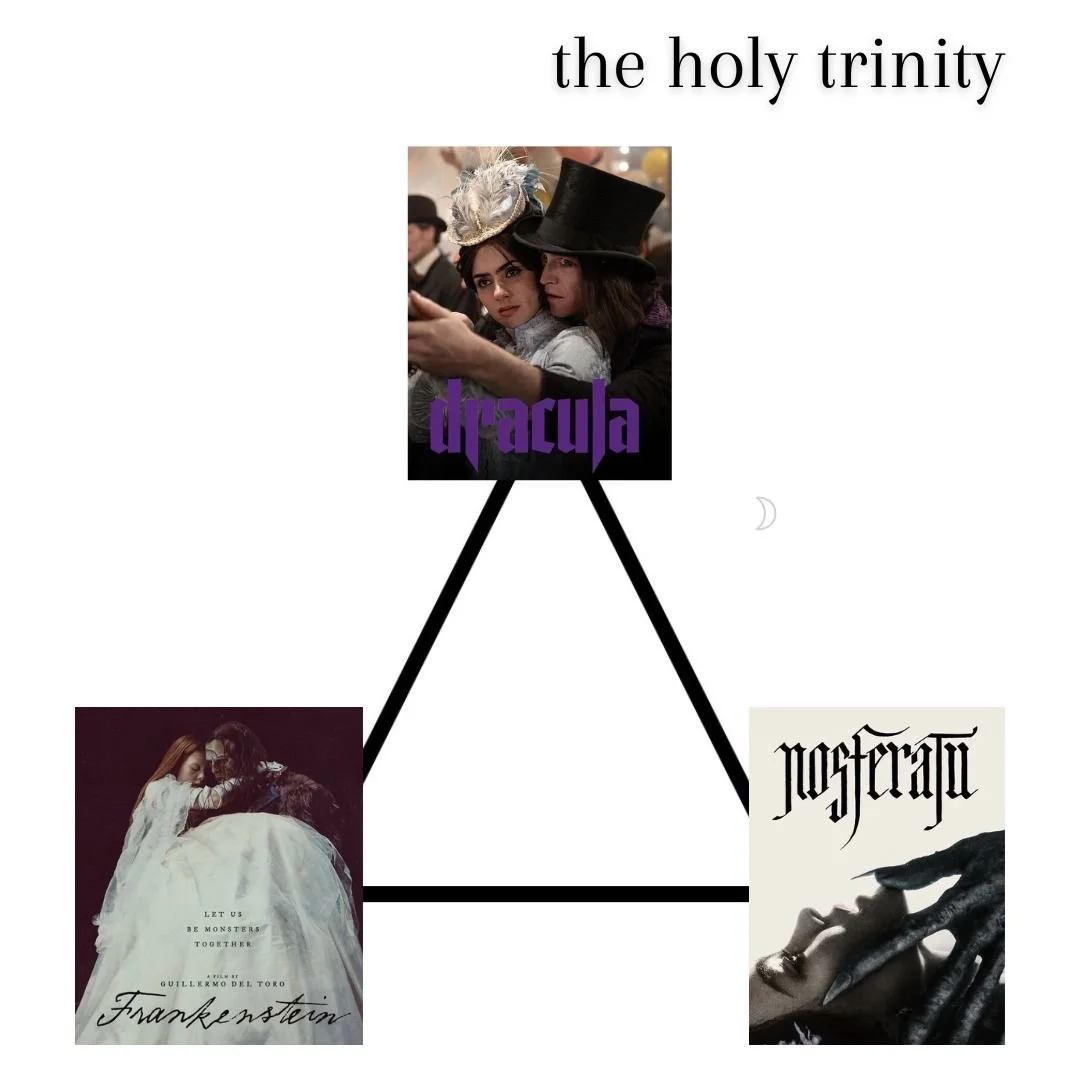
Well, I hope you enjoyed learning a little or a lot more on vampires. I know I had fun researching all this and falling into that NOLA rabbit hole had me flabbergasted, never knew how deep the lore ran. Key takeaways for today: NOLA is super fricking mystical, cow dung wards off vampires, I am more gothic than you thought, and people are freaky! It has been a fun start to Halloweek and I am excited to see you all on All Hallow’s Eve, this Saturday, October 31st for what will most definitely be a treat and no tricks.
